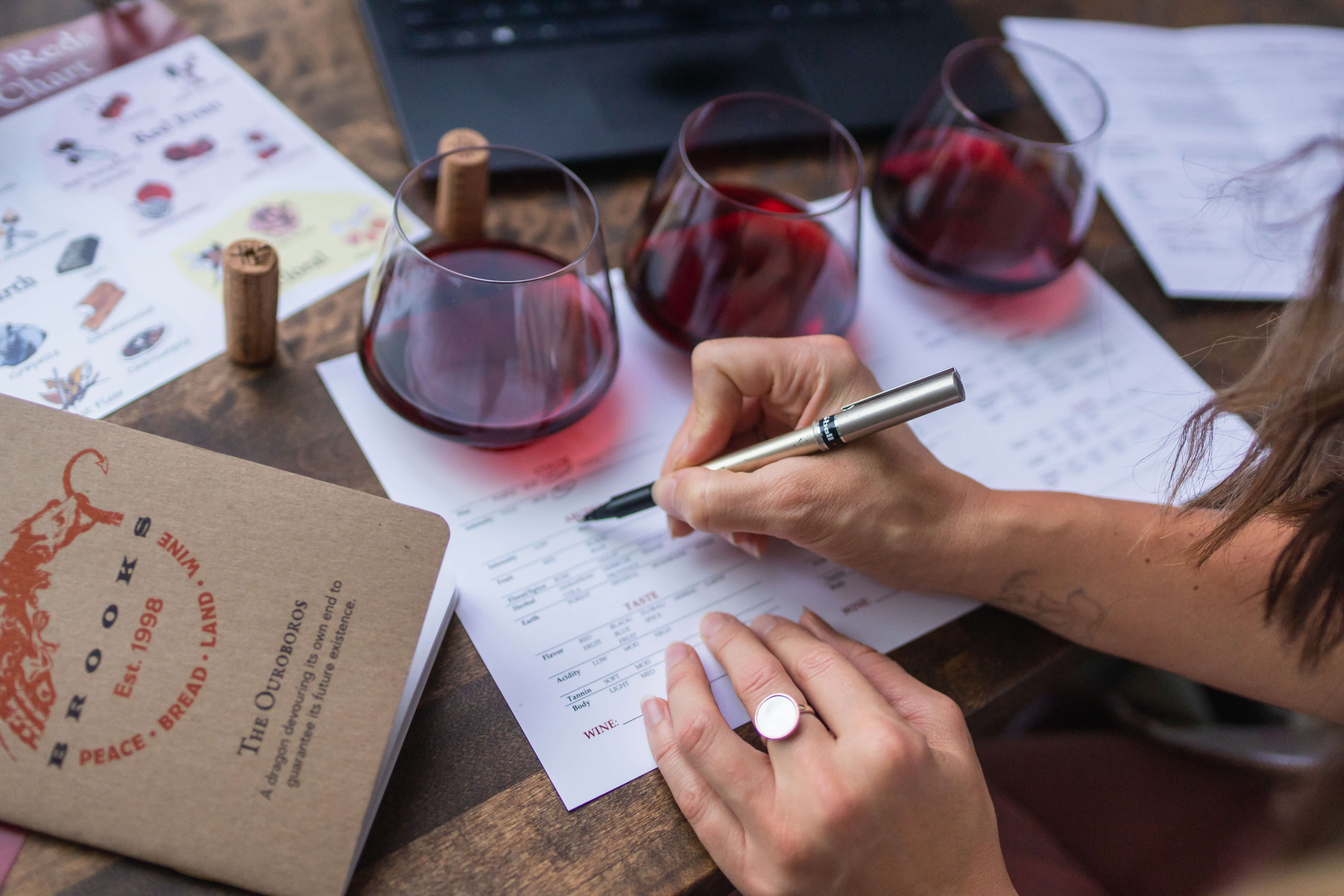
- Many commonly misused wine terms (e.g., body, dry, tannins, vintage, legs, etc.) have specific meanings that improve wine communication and help wine drinkers make more informed purchasing and tasting decisions.
- Understanding key wine vocabulary allows the taster to describe wines more accurately to better evaluate flavor, texture, and winemaking style.
- Using correct wine terminology enhances wine tasting experiences by enabling the consumer to communicate confidently with sommeliers, identify personal preferences, and develop a deeper understanding of wine production and quality.
Understanding wine can be a delightful yet complex journey, especially when it comes to vocabulary. Many wine drinkers often misuse certain wine terms, which can lead to confusion or misunderstandings when purchasing or ordering wine. In this guide, some of the most commonly misused wine terms will be highlighted and will provide clarity on how to use them correctly.
Foundational Wine Terms (and what they really mean):
1 – Full-Bodied vs. Medium-Bodied vs. Light-Bodied
Misuse: Many people use “full-bodied” as a catch-all term for any rich or flavorful wine. There are three separate wine terms used to describe the body of a wine.
Correct Use: Body refers to the weight and texture of the wine in your mouth. Use milk as an everyday example. A sip of cream will have a heavier texture and weightiness in your mouth than a sip of skim milk. This is the idea when describing the body of wine. A full-bodied wine, like a Cabernet Sauvignon, feels heavier and more robust, while a light-bodied wine, such as Pinot Gris, is more delicate and crisp.
Example: To use these specific descriptors when discussing body try, “This Chardonnay is full-bodied and creamy” or “I prefer light-bodied wine like a Sauvignon Blanc.”
2 – Dry vs. Off-Dry vs. Sweet
Misuse: The term “dry” is often misused wine term because many wine tasters do not realize it is used to describe a wine’s low level of perceivable sweetness. The term is frequently confused with two other tricky wine terms, “body” and “tannins,” and is incorrectly used to describe bold wines with full body and pronounced tannins. This confusion is easy to understand since most full-bodied wines with strong tannin profiles tend to be dry rather than sweet—but not all!
Correct Use: A sweet wine has noticeable sweetness (i.e., high levels of residual sugar), while a dry wine has little to no residual sugar. Off-dry or medium-dry wines contain a slight hint of sweetness, but are still primarily dry.
Example: “This Riesling is medium-dry has a touch of sweetness that balances its acidity and elevates its fruit notes.”
3 – Tannins
Misuse: Many people refer to “tannins” as a general descriptor for bold red wines, typically because the meaning of the term is simply unknown to them.
Correct Use: Tannins are compounds that create a physical and temporary drying sensation in your mouth. It might also be described as a bitterness in the wine. High levels of tannins are primarily found in red wines because tannins are found in grape skins, seeds, stems, and oak barrels. By comparison, white wines tend to have limited exposure to each of those tannin sources during both fermentation and aging. While tannins can contribute to a wine’s bitterness, they also provide structure and aging potential.
Example: A correct usage would be, “This Tempranillo has sharp tannins that will soften as it ages in the cellar” rather than saying it tastes bitter.
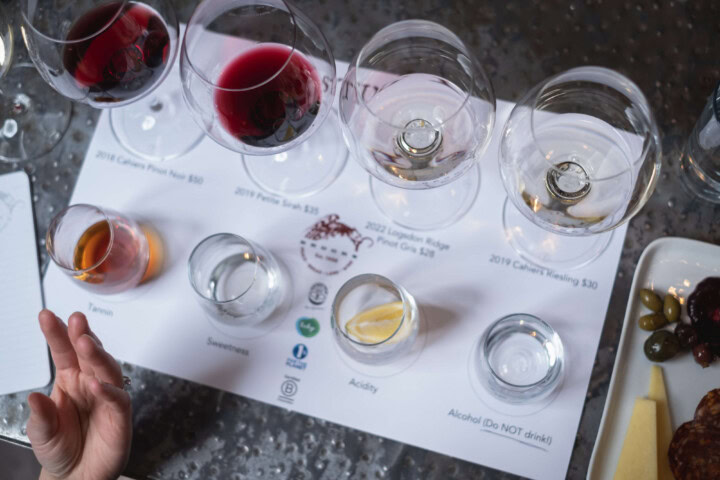
4 – Aroma vs Bouquet
Misuse: Wine terms “aroma” and “bouquet” are often used interchangeably because they describe the smell of a wine, but they each describe different scent sources.
Correct Use: Aroma refers to the scents derived directly from the grape variety, while bouquet describes the complex smells developed during the winemaking process (i.e., fermentation and aging). To learn the distinction, a wine enthusiast simply needs to take time to learn more about the profiles of individual grape varieties and the chemical reactions taking place during fermentation and aging. (Yes, that will take time, but the homework is very enjoyable!)
Example: A proper usage of these two terms might include, “This Pinot Noir has a fruity aroma of fresh red cherries, but the bouquet reveals hints of vanilla from aging in French oak.”
5 – Oaked vs. Unoaked
Misuse: Some people think all wines are aged in oak barrels without knowing how different winemaking styles can influence the flavor and body of the final product. There are different wine terms used to communicate these styles and guide the wine enthusiast when selecting a bottle.
Correct Use: “Oaked” wines are aged in barrels, imparting flavors such as vanilla, spice, or toast as well as texture. “Unoaked” wines are fermented and aged in stainless steel or other non-wood containers, emphasizing the grape’s natural characteristics.
Example: A discerning taster might say, “My mother enjoys oaked Chardonnay for its buttery texture and rich flavors, while I prefer unoaked Chardonnay because it is light, crisp, and refreshing.”
6 – Finish
Misuse: The wine term “finish” is often overlooked, with many wine tasters not realizing it refers to the aftertaste of the wine.
Correct Use: The finish describes the flavors that linger after swallowing the wine. A long, complex finish is often a sign of quality.
Example: “This Cabernet has a long finish with notes of dark chocolate and blackberry,” communicates both the quality and tasting experience of the wine.
7 – Vintage
Misuse: Many people believe “vintage” refers to the year the wine was bottled, when it actually refers to the year the grapes were harvested.
Correct Use: Wines spend months, if not years, fermenting and aging before being released for purchase. The year on the label reflects the year the grapes were harvested. Use “vintage” to discuss that harvest year because weather and other environmental occurrences can significantly affect the wine’s flavor and quality.
Example: “The 2015 vintage of this Bordeaux is known for its exceptional quality due to ideal growing conditions.”
8 – Fermentation vs. Maceration
Misuse: Fermentation is often confused with maceration, especially in discussions about red wine. These wine terms are related, but not synonymous with one another.
Correct Use: Fermentation is the process where yeast converts sugar into alcohol (and carbon dioxide). Maceration, on the other hand, involves soaking grape skins in juice to extract color, tannins, and flavor.
Example: You might say, “The winemaker used a long maceration period to enhance the wine’s color and tannin structure before fermentation,” which clarifies these distinct processes.
9 – Legs
Misuse: Many wine drinkers—both beginners and experienced— believe the “legs” inside a wine glass are indicators of the wine’s quality. Not necessarily. Quality depends on the taster’s personal preferences.
Correct Use: When looking at a glass of wine and referring to its “legs,” a wine taster is examining the streams of wine that flow down the inside walls of the wine glass back down to the serving of wine inside the glass. The “legs” are indicators for two characteristics of the wine: the amount of alcohol and the amount of residual sugar. Thin, fast moving “legs” are an indication of higher alcohol content and lower sugar. Thick, slow moving “legs” suggest lower alcohol content and higher sugar levels.
Example: A more accurate way to use this term might be, “[swirls wine and examines the glass] this wine has many thin legs, so the sugar content may be too low to pair it with tonight’s dessert.”
10 – Natural Wine
Misuse: The term “natural wine” is often used casually, leading to confusion about what it entails. At the time of this article’s creation, there has yet to be an official, uniformed definition nor list of qualifications to identify a “natural” wine. Therein lies the problem and a justified reason for the confusion.
Correct Use: For the most part, natural wine typically refers to sustainably produced wines made with minimal intervention, using organic or biodynamic grapes and little to no additives. However, the only way to confirm these ethos are actually followed with fidelity is to learn more about each individual producer’s practices or look for producers who partner with auditing agencies (e.g., Demeter Biodynamic, USDA Organic, LIVE, etc.). Interestingly, the best way to use this wine term is probably to skip it all together.
Another recommendation is to use “natural” in tandem with whatever low intervention practice you find yourself advocating for when selecting and purchasing wine.
Example: “This natural wine was made using dry farmed Biodynamic fruit, which showcases the purity of the fruit and reflects the environment around it without manipulation.”
Why Wine Terms Matters
Accurate terminology enriches your tasting experience and deepens your conversations about wine. Using precise vocabulary allows you to:
- Communicate clearly with both fellow enthusiasts and certified sommeliers.
- Describe your impressions with nuance, authority, and confidence.
- Bridge the gap between “I like it” and “here’s why I like it.”
With a sharper vocabulary, you will not only taste better, you will speak better about what you taste. Cheers!
Updated 6/7/2026
April Abate is a wine educator who loves helping people feel confident about what is in their glass. She is a Certified Specialist of Wine through the Society of Wine Educators and a Certified Executive Sommelier with the International Wine and Spirits Guild. With a diverse background in microbiology, education, hospitality, and sales, April brings science, clarity, and heart to her discussions about wine. Her goal is simple: to make wine more approachable by helping tasters understand not just what they like, but why they like it. For the past seven years, April has been part of the team at Brooks Wine in Oregon’s renowned Willamette Valley, sharing her passion for wines that tell a story of place and purpose. Drafting and refinement were supported by digital assistant software.