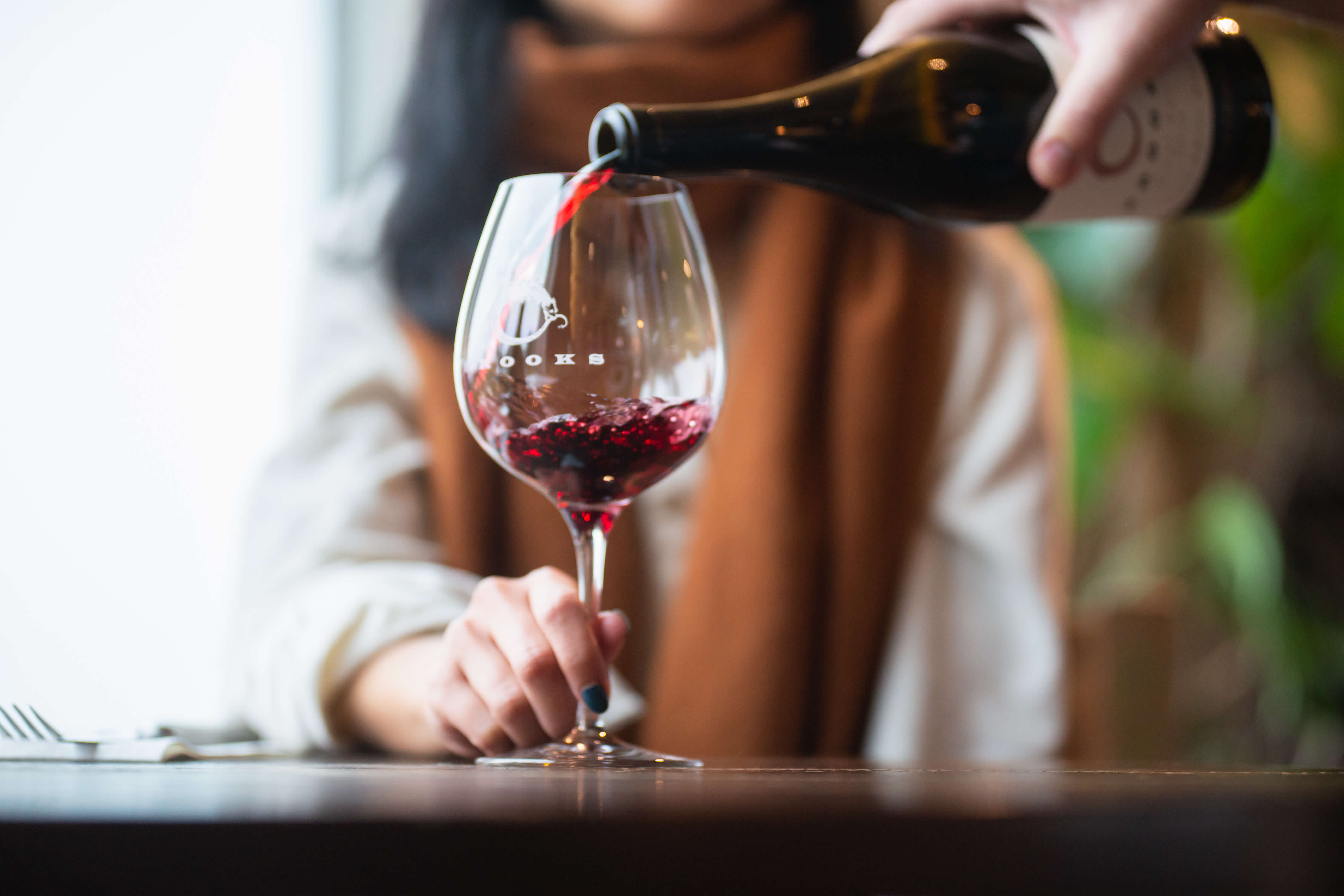
Understanding the basics of wine etiquette can increase your enjoyment and help you taste wine with confidence when sipping a flight in a vineyard tasting room or simply when enjoying a glass at home. Particularly in the Willamette Valley, we believe wine should be approachable while also respectful of its craftsmanship. Make this your go-to guide for the do’s and don’ts of wine etiquette.
DON’T:
1 – Overfill your glass
A proper pour is 1 ounce when tasting and about 5 ounces, or roughly one-third of the glass, when enjoying a “full” glass. This gives you space to swirl the wine and release its aromatics. Overfilling not only makes swirling difficult, but it also limits your ability to enjoy the wine’s bouquet. Both are critical parts of tasting.
2 – Judge a wine too quickly
Wine evolves in the glass. Let it breathe (i.e., gain exposure to oxygen through time, larger wine glasses, and swirling) and revisit it after a few minutes. The first sip may differ significantly from your last. Patience is a virtue, especially with complex wines.
3- Talk over a host
Tasting room hosts are there to guide your experience. When they introduce a wine, pause your conversation to listen. You will learn fascinating details about the winemaking process, vintage, and flavor notes. This context enhances your appreciation of the wine and demonstrates an understanding of wine etiquette, while stories about the winery add to your appreciation for the brand.
4 – Store open bottles improperly
Wine starts to oxidize the moment the bottle is opened. And discerning wine tasters will notice. Therefore, it is best to promptly recork reds and refrigerate whites for no more than three to five days after opening. Use a vacuum seal to remove some of the oxygen inside the bottle if you want to preserve freshness for a few more days. When bringing home bottles from a day spent wine tasting, protect your investments by storing the wine properly. Avoid cellaring wine in sunlight. Both UV and heat are dangerous for wine.
5 – Intimidate others
Wine is for everyone. Use your knowledge to uplift, not to impress. If someone mispronounces a grape or confuses a vintage, gently help them if asked, but never correct for the sake of ego.
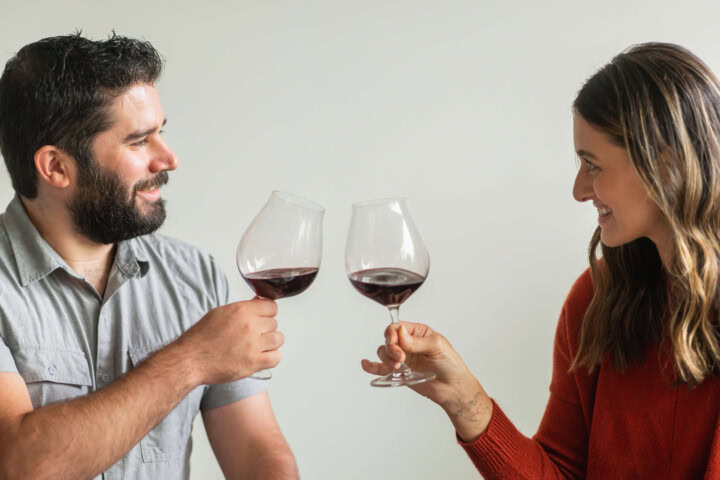
DO:
6- Hold you glass properly
The way you hold your wine glass affects the wine’s temperature and aroma. Always hold a wine glass by the stem, not the bowl. This helps maintain the wine’s intended serving temperature and keeps fingerprints off the glass so the taster can continue to assess the depth and saturation of the wine’s hue. As a serious taster and enthusiast, be sure to implement this element of wine etiquette when tasting both privately and publicly.
7 – Swirl and sniff before sipping
Swirling allows oxygen to mix with the wine and unlocks aromas. Sniffing prepares your palate for the flavors to come.
Swirl by holding the top of the stem and rotating your wrist. If this feels awkward, keep the base of the wine glass on the table for stability while moving the whole glass in small circles.
Pro Tip: Avoid wearing scented lotions, perfumes or colognes. Fragrance interferes with your sensory experience and that of others nearby.
8 – Respect tasting room etiquette
Make the most of tasting room visits, which each carry slightly distinct variations of wine etiquette:
- Make a reservation if required.
- Ask questions. Winemakers and hosts love sharing their knowledge.
- Sip responsibly. Know your limits and plan ahead. This is crucial to avoiding dangerous, expensive, and embarrassing mishaps.
- Buy a bottle if you loved the experience. It is the best way to show appreciation for your host and it makes an excellent souvenir when traveling.
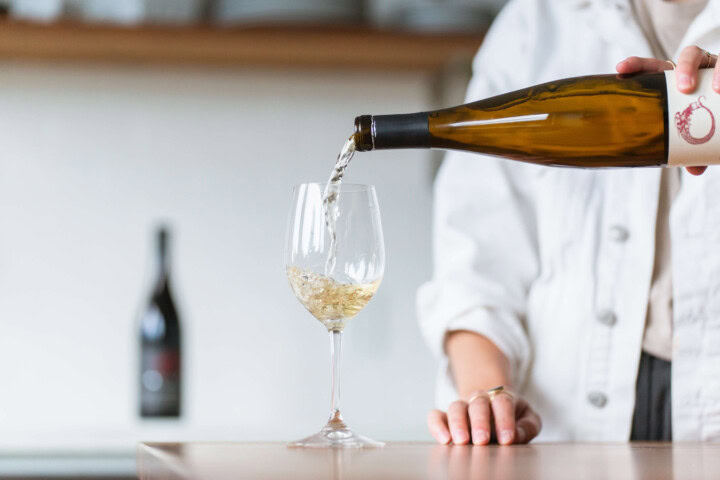
9 – Serve wine at the right temperature
Serving wine at the proper temperature brings out its best character.
- Sparkling and whites: 45–55°F
- Reds: 55–65°F
Pro Tip: Wine etiquette warns not to serve red wine at “room temperature” if your home is 72°F or warmer. That can mute its aromas or make the alcohol feel sharp. Instead, try popping the bottle in the refrigerator for 10 minutes.
10 – Be Open-Minded
Not every wine is meant to be loved by everyone. Keep an open mind, especially when trying varietals outside your usual favorites. Oregon Rieslings, for example, often surprise red wine lovers with their complexity and food pairing power. Producers like Brooks Wine love introducing people to biodynamic winemaking and vineyard practices that showcase the unique terroir of the Willamette Valley. You might find yourself pleasantly surprised when introduced to new varietals or styles of wine, while equally as amazed when moving on from past mainstays. The world of wine is vast and ever evolving. There is much to experience, so stay curious.
Wine etiquette can evolve depending on region, occasion, and personal preference. The key is to be respectful, curious, and gracious. These simple do’s and don’ts can elevate your experience and make you the most gracious wine lover in the room. Consider this an open invitation to lead others through a joyful tasting experience that empowers confidence and further exploration.
Update 11/20/2025
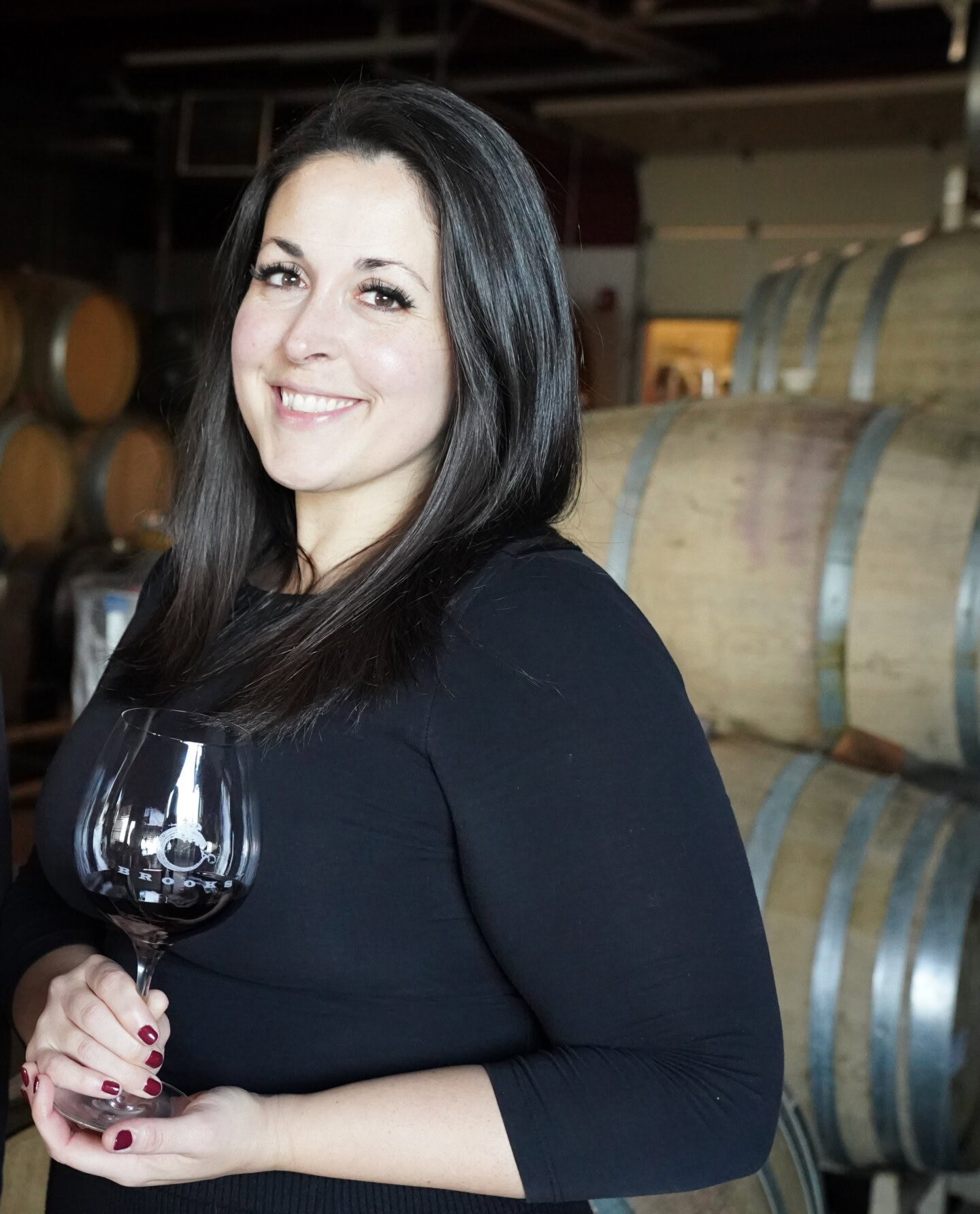
April Abate is a wine educator who loves helping people feel confident about what is in their glass. She is a Certified Specialist of Wine through the Society of Wine Educators and a Certified Executive Sommelier with the International Wine and Spirits Guild. With a diverse background in microbiology, education, hospitality, and sales, April brings science, clarity, and heart to her discussions about wine. Her goal is simple: to make wine more approachable by helping tasters understand not just what they like, but why they like it. For the past seven years, April has been part of the team at Brooks Wine in Oregon’s renowned Willamette Valley, sharing her passion for wines that tell a story of place and purpose. Drafting and refinement were supported by digital assistant software.