Quick Facts:
- Willamette Valley is well suited to Riesling because its cool maritime climate, long sunny days, cool nights, and diverse volcanic and marine sedimentary soils help preserve acidity while developing complex flavors.
- Sustainable viticulture and winemaking expertise strengthen Riesling quality with many Willamette Valley vineyards use practices such as Salmon Safe, LIVE Certified, and Demeter Biodynamic farming.
- Key Willamette Valley AVAs for Riesling include Willamette Valley, Eola-Amity Hills, McMinnville, and Lower Long Tom while their differences in climate, elevation, and soils contribute to distinct Riesling profiles, from mineral-driven and citrusy to textured and fruit-forward.
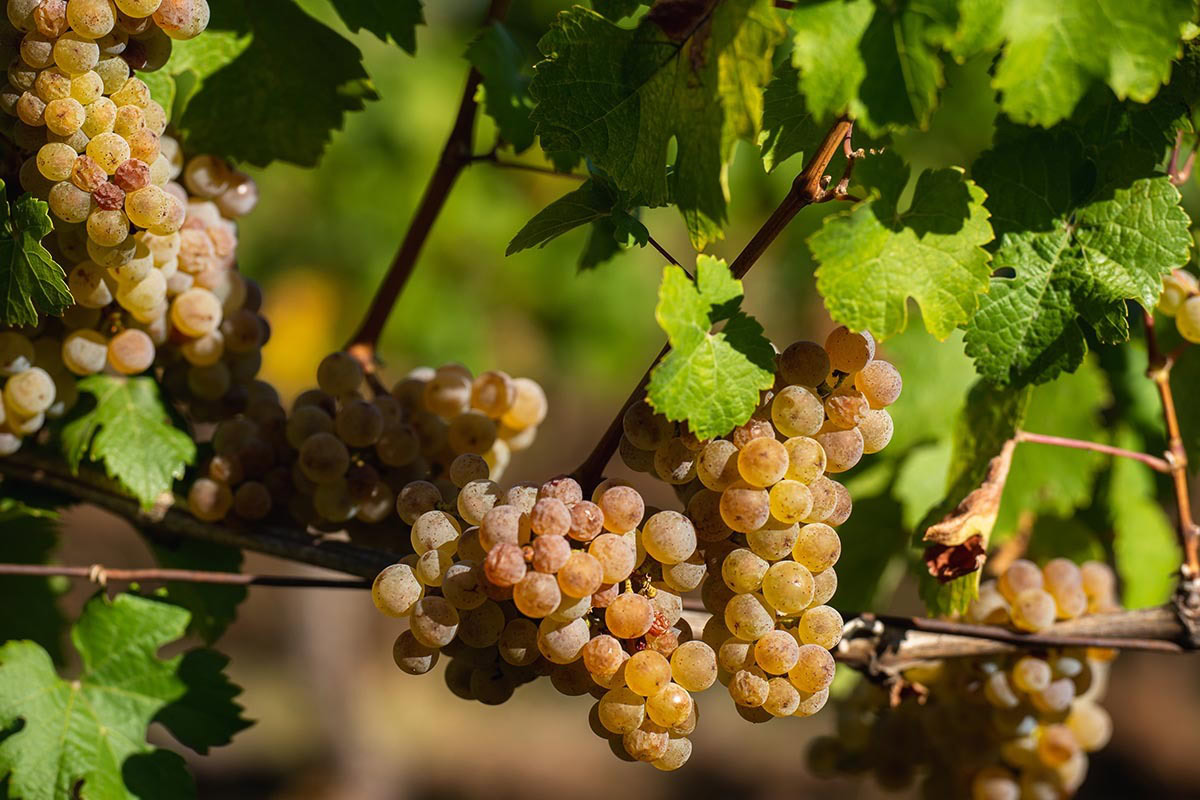
Among the world’s most respected wine regions, Oregon’s Willamette Valley stands out for its diverse grape varieties and cool-climate wines. While the region is best known for Pinot Noir, Riesling has also found an ideal home in the Willamette Valley. The combination of climate, soil composition, and winemaking philosophy allows this expressive grape variety to thrive. Below are five key factors that explain why Riesling grows so successfully in the Willamette Valley and why the region continues to gain recognition for its high-quality Riesling wines.
1. Climate
The Willamette Valley boasts a temperate maritime climate, characterized by cool, wet winters and warm, dry summers. This climate mirrors the conditions found in the renowned Riesling-producing regions of Germany. Riesling thrives in cooler climates, It benefits from the long, sunny days and cool nights. These diurnal temperature shifts preserve the grape’s natural acidity while allowing it to ripen slowly. The result is fruit with balanced sugars, mouthwatering acidity, and vibrant flavors.
2. Soil
Soil plays an instrumental role in grape cultivation, influencing the flavor profile and character of the wine. The Willamette Valley is blessed with a diverse range of soil types, predominantly volcanic and marine sedimentary soils. These well-draining soils also offer excellent water retention capabilities, ensuring that Riesling vines receive just the right amount of moisture as they need it. Additionally, the mineral-rich composition imparts distinctive mineral nuances to the wine that add complexity and depth.
3. Elevation
Vineyards in the Willamette Valley are situated at varying elevations, ranging from 200 to 1000 feet above sea level. Higher elevation sites benefit from cooler temperatures, providing an extended growing season. This prolonged ripening period allows Riesling grapes to develop intricate flavors and aromas, which further enhance the wine’s overall quality and complexity.
4. Sustainable Farming Practices
The Willamette Valley is renowned for its commitment to sustainable and organic farming practices. It is common to see Salmon Safe, LIVE Certified, or Demeter Certified Biodynamic associated with many of the valley’s 500 wineries. By prioritizing environmental stewardship, growers ensure the longevity and vitality of the vineyards. Healthy soils support robust vines, enabling them to withstand environmental stressors and produce high-quality grapes with greater consistency. This holistic approach to viticulture accentuates the inherent qualities of Riesling, resulting in wines that are true reflections of their terroir.
5. Expertise and Innovation
The Willamette Valley is home to a passionate community of winemakers and viticulturists dedicated to advancing their craft. Through continuous experimentation, innovation, and shared learning they have honed their skills in Riesling production and harnessing the region’s unique terroir to create wines of exceptional quality and distinction. And the world has take notice. Willamette Valley is home to some of the most celebrated Riesling wine producers in the country.

Revitalizing the Reputation of Riesling
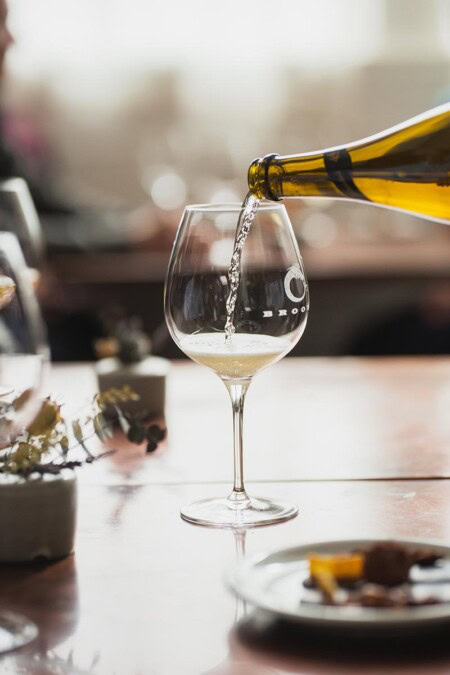
Growers and winemakers proudly work together to revitalize the reputation of Riesling. Too frequently associated exclusively with sweet, poor quality wine, wine drinkers visiting Willamette Valley are exposed to a wide array of phenomenal Riesling styles. From dry to sweet and still to sparkling, a well-balanced Riesling delivers a mélange of flavors, textures, and complexity. Owing to its high level of natural acidity, Riesling also pairs exceedingly well with food, making it a frequent choice for high profile dinners.
AVAs To Seek Out
Each American Viticultural Area (AVA) offers slightly different soil, elevation, and climate influences, resulting in Rieslings that range from racy and mineral-driven to textured and fruit-forward. Below are a few AVAs and sub-AVAs worth following.
- Willamette Valley AVA: Willamette has cool zones, varied soil types (i.e., marine sedimentary, volcanic, loess), and increasingly precise vineyard site selection. Many vineyards are experimenting with Riesling clones, low yields (to ensure quality over quantity), and balancing ripeness with acidity. Recent vintages like the 2023 vintage was described as “a vintage for the ages”.
- Eola-Amity Hills AVA: Cold air influence through the Van Duzer Corridor which helps moderate temperatures, especially as the local climate steadily increases. Soils are volcanic and sedimentary which deliver minerality and cooling effects. Good potential for Riesling to show floral, citrus, and mineral notes without overripe fruit. Several 90+ point Rieslings mark their beginning in these soils.
- McMinnville AVA: Known for basalt and sedimentary soils, this AVA sees somewhat warmer temperatures during the day, but cool nights. This tends to produce wines with texture and richness while maintaining a refreshing acidic backbone.
- Lower Long Tom AVA: This region tend to be cooler with greater diurnal swing. Vineyards in this AVA often benefit from elevation and influence from coastal moisture.
The Willamette Valley’s climate, soil, elevation, sustainable practices, and expertise collectively contribute to the unparalleled success of Riesling cultivation. This synergy between nature and human ingenuity has firmly established the Willamette Valley as a premier Riesling-producing region, captivating wine enthusiasts with its distinctive expressions of this noble grape variety.
Tasting your way through the diverse and exquisite Rieslings from the Willamette Valley promises an experience filled with discovery and delight. Cheers!
Updated 9/27/2026
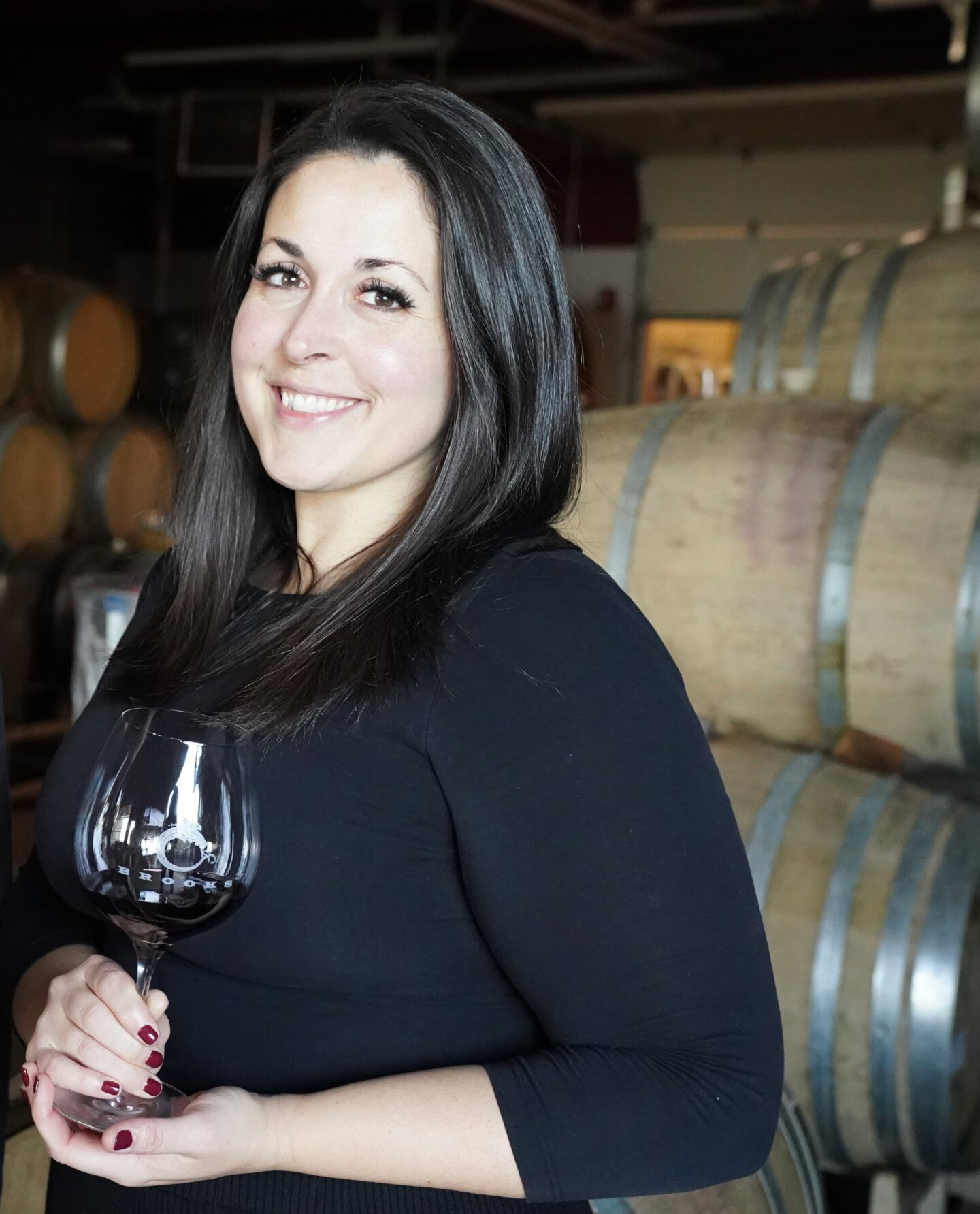
April Abate is a wine educator who loves helping people feel confident about what is in their glass. She is a Certified Specialist of Wine through the Society of Wine Educators and a Certified Executive Sommelier with the International Wine and Spirits Guild. With a diverse background in microbiology, education, hospitality, and sales, April brings science, clarity, and heart to her discussions about wine. Her goal is simple: to make wine more approachable by helping tasters understand not just what they like, but why they like it. For the past seven years, April has been part of the team at Brooks Wine in Oregon’s renowned Willamette Valley, sharing her passion for wines that tell a story of place and purpose. Drafting and refinement were supported by digital assistant software.