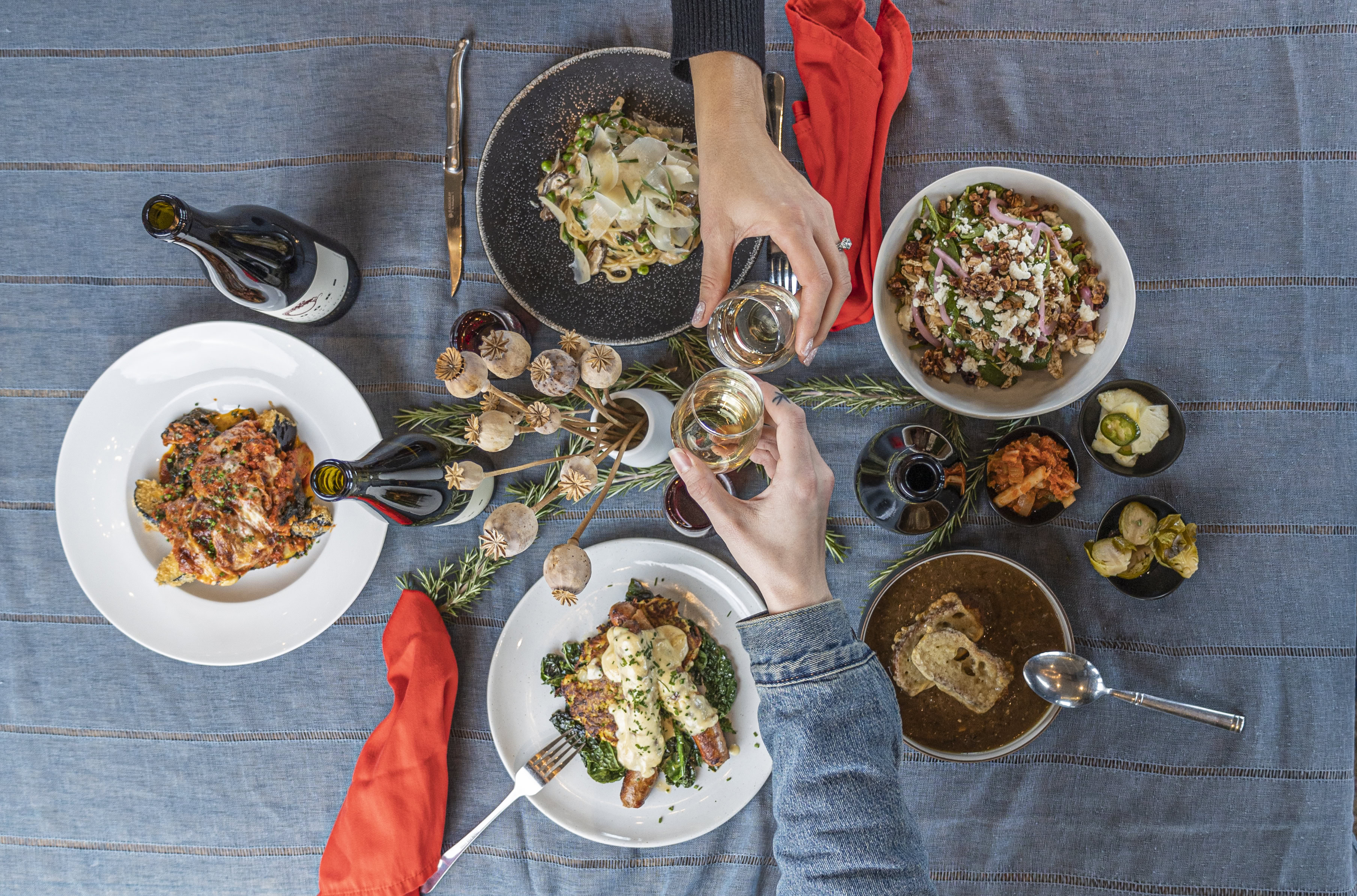
Cooking with wine is a time-honored tradition that can enhance the flavor and complexity of a variety of dishes. Incorporating wine into your culinary mastery can transform your meals into gourmet experiences. The guide below explores how to cook with wine, including tips for wine selection, techniques, and recipes that highlight the benefits of using wine in your cooking.
How Cooking With Wine Enhances Flavor and Texture
Using wine in cooking serves multiple purposes:
- Flavor Enhancement: Wine can elevate the taste of your dishes. It adds a depth and richness that other ingredients simply cannot replicate.
- Tenderizing Meat: The acidity in wine can help tenderize meat. This will make the meat tender, juicy, and more flavorful.
- Deglazing: Wine can be used to deglaze pans. Deglazing allows you to incorporate those delicious browned bits left behind after cooking meat into a rich sauce.
- Aromatics: The aromas of wine can infuse your dishes with a more inviting and complex flavor profile than when using the other ingredients alone.
Choosing the Right Wine
Selecting the appropriate wine for cooking is crucial, but do not feel intimidated. As a wine enthusiast, you instinctively know the basics already.
Cook with what you drink
Always use a wine that you would enjoy drinking on its own. If the wine tastes good in a glass, it will taste even better in your dish. Plus, this way there are fewer ingredients to fuss over for a more enjoyable and cohesive meal.
Consider the style of the dish
- White Wines: Ideal for light dishes, such as seafood, poultry, and creamy sauces. Varieties like Sauvignon Blanc, Chardonnay (oaked or unoaked), and Pinot Gris/Grigio work well.
- Red Wines: Best for hearty dishes, such as beef, lamb, and tomato-based sauces. Cabernet Sauvignon, Merlot, and Sangiovese are popular choices.
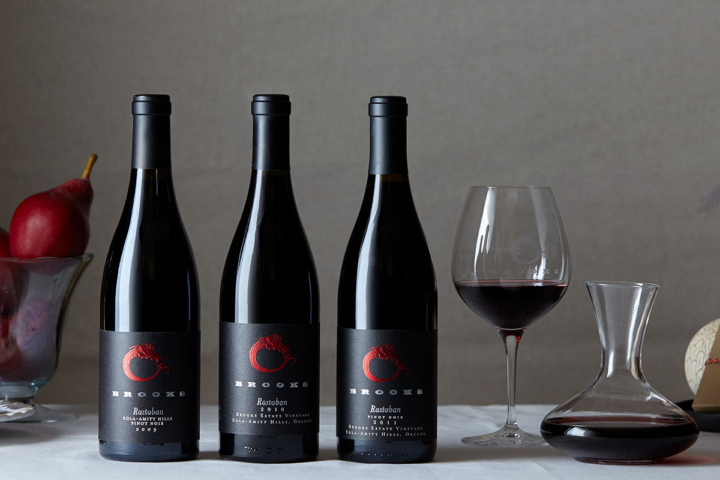
Pinot Noir is by far the most versatile red wine for cooking, and therefore an excellent staple to have in your cellar. Poultry dishes in particular fare well with Pinot Noir in thanks to the wine’s balanced acidity and fruit-forward flavor and aroma profile. Luckily Brooks Wine in Willamette Valley offers an incredibly wide array of 90+ point, single-vineyard Pinot Noir to choose from in addition to Gamay Noir and bold reds like Tempranillo and Syrah. - Fortified Wines: Use fortified wines like Marsala for enriching sauces. Fortified wines have the addition of a distilled spirit to enhance the flavor, alcohol content, and ageability. Try a sweet fortified wine like a Port to elevate desserts.
Avoid “Cooking Wines” and Flawed Wines
Stay away from wines labelled as “cooking wines” in the grocery stores. Surprisingly, they often contain added salt and preservatives that can alter the flavor of your dish. Instead, choose a bottle from the wine section that is intended for drinking. Following this one tip will put you at the top of the class.
Another note is to avoid cooking with wines that present flaws. Corked wines smells musty, like damp cardboard, wet dog, or mold. Cooking will not fix this flaw. The same advice goes for wines presenting a strong concentration of volatile acidity (VA). If the wine smells strongly of vinegar or nail polish remover, it is best to skip this bottle as well. When in doubt, if the wine is not pleasant to sip, discard the flawed wine instead of attempting to salvage it with cooking to avoid unpleasant aromas and flavors in your meal.
Does alcohol cook out of wine?
While most of the alcohol content in wine does evaporate when cooking with wine, the amount that remains depends on time and technique used in the kitchen. Alcohol begins to evaporate as soon as wine is added to heat, but full evaporation takes time. Quick methods like deglazing or finishing a dish with wine leave most of the alcohol intact, while longer cooking methods like braising reduce it more significantly.
- Deglazing (1–5 minutes): Most alcohol remains
- Simmering or reducing (10–15 minutes): Alcohol is greatly reduced
- Long braises (30+ minutes): Only trace amounts of alcohol remain
Essential Techniques for Cooking with Wine at Home
1. Marinating
Marinating meats in wine can infuse them with flavor. Combine wine with herbs, spices, and a bit of oil, and let the meat soak for a few hours or overnight. This technique not only adds flavor, but also tenderizes the meat.
2. Deglazing
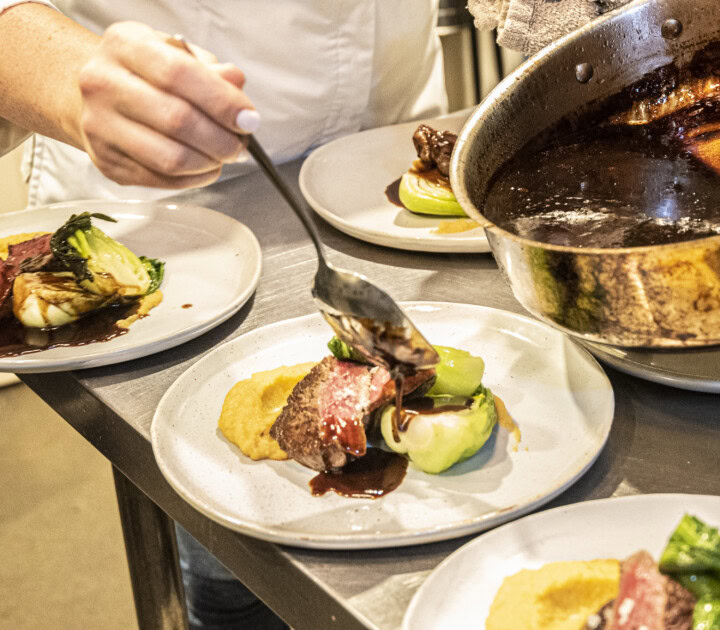
After sautéing meat or vegetables, pour a splash of wine into the hot pan. Scrape up the browned bits with a wooden spoon and allow the wine to reduce to create a delicious, rich sauce. This method adds complexity and depth to your dishes.
3. Braising
Braising is a slow-cooking method that involves cooking meat in wine along with broth and aromatics. This technique allows the meat to absorb the wine’s flavors while becoming tender and juicy. A particularly excellent route for tough cuts of meat like short ribs or chicken thighs.
4. Reducing
Simmering wine over low heat allows it to reduce and intensify its flavors while reducing or eliminating the alcohol. Use reduced wine to create sauces or glazes that can be drizzled over your finished dish.
Pro Tip: Be sure to cook off all the alcohol in your wine reduction and lower the heat before adding cream to avoid curdling and ensure a thick, unctuous body for the sauce.
5. Finishing Dishes
Adding a splash of wine at the end of cooking can enhance the final flavor. This technique works well with soups, sauces, and risottos to provide a fresh, vibrant note.
Classic Recipes That Showcase Cooking With Wine
1. Chicken Marsala
This is a classic dish featuring wine. Chicken breasts are cooked in a savory Marsala wine sauce with mushrooms. The wine adds depth and sweetness, making it a perfect pairing with pasta or rice.
2. Red Wine Braised Beef
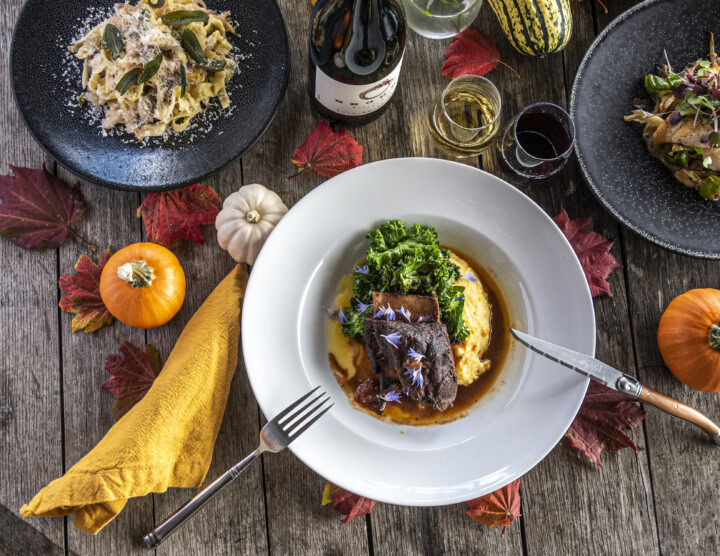
Yet another classic example of cooking with wine is braised beef. This is a hearty meal of slow-cook beef in a mixture of red wine, beef broth, and aromatics. The wine helps tenderize the otherwise tough meat while imparting rich flavors. Try applying this principle to less common cuts of meat to truly surprise and delight your guests.
3. Pasta with White Wine Sauce
Sauté garlic and shallots in olive oil, then deglaze the pan with white wine. Toss with cooked pasta, fresh herbs, and a sprinkle of Parmesan cheese for a quick and flavorful dish. An excellent example for those who prefer plant-based meals.
4. Mussels in White Wine
Steam mussels in white wine, garlic, and herbs for a quick, elegant appetizer. The wine infuses the mussels with flavor, creating an incredibly complex broth for dipping bread. Make it a meal by serving with a salad dressed in a tangy vinaigrette or a side of lightly steamed greens with citrus.
5. Chocolate Wine Cake
For dessert, bake a rich chocolate cake or torte and use reduced red wine for a glaze. The wine adds moisture and enhances the chocolate flavor while elevating the decadence of the entire course.
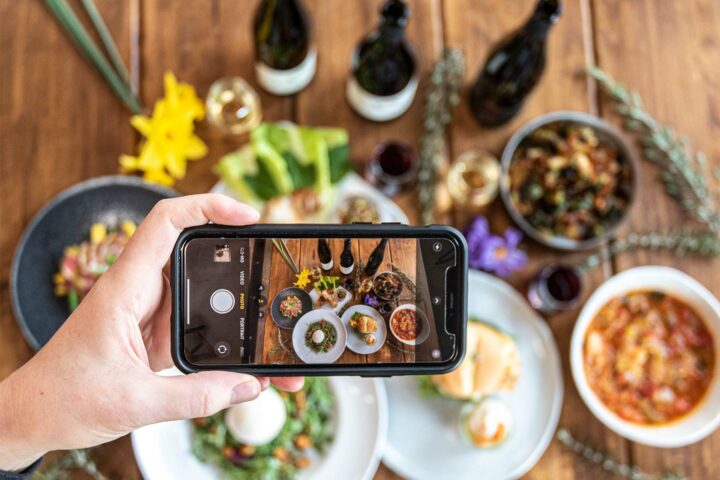
Learn How to Cook with Wine
- Balance Flavors: Use wine to enhance, not overpower. Start with small amounts and adjust to taste. As with haircuts and cooking with salt, you can always add more, but it is near impossible to undo the work of a heavy hand.
- Pairing: If you are serving wine with the meal, consider using the same wine in your cooking for a cohesive flavor profile. Again, this also has the added benefit of fewer ingredients to fuss over, which enhances your own enjoyment of the meal.
- Storage: Once opened, store leftover wine in the refrigerator for 3-4 days. Use it in cooking or enjoy it as a drink. This suggestion applies to both white and red wine. Cooler temperatures slow down chemical processes such as oxidation that can otherwise mute or alter the wine’s characteristics.
Cooking with wine is a fantastic way to enhance your culinary creations. By selecting the right wine, using effective techniques, and trying delicious recipes, you can bring depth and sophistication to your meals. Gather the knowledge shared in this guide and do not hesitate to incorporate wine into your cooking for casual dinners, festive meals, and everything in between. Cheers!
Updated 12/20/2025
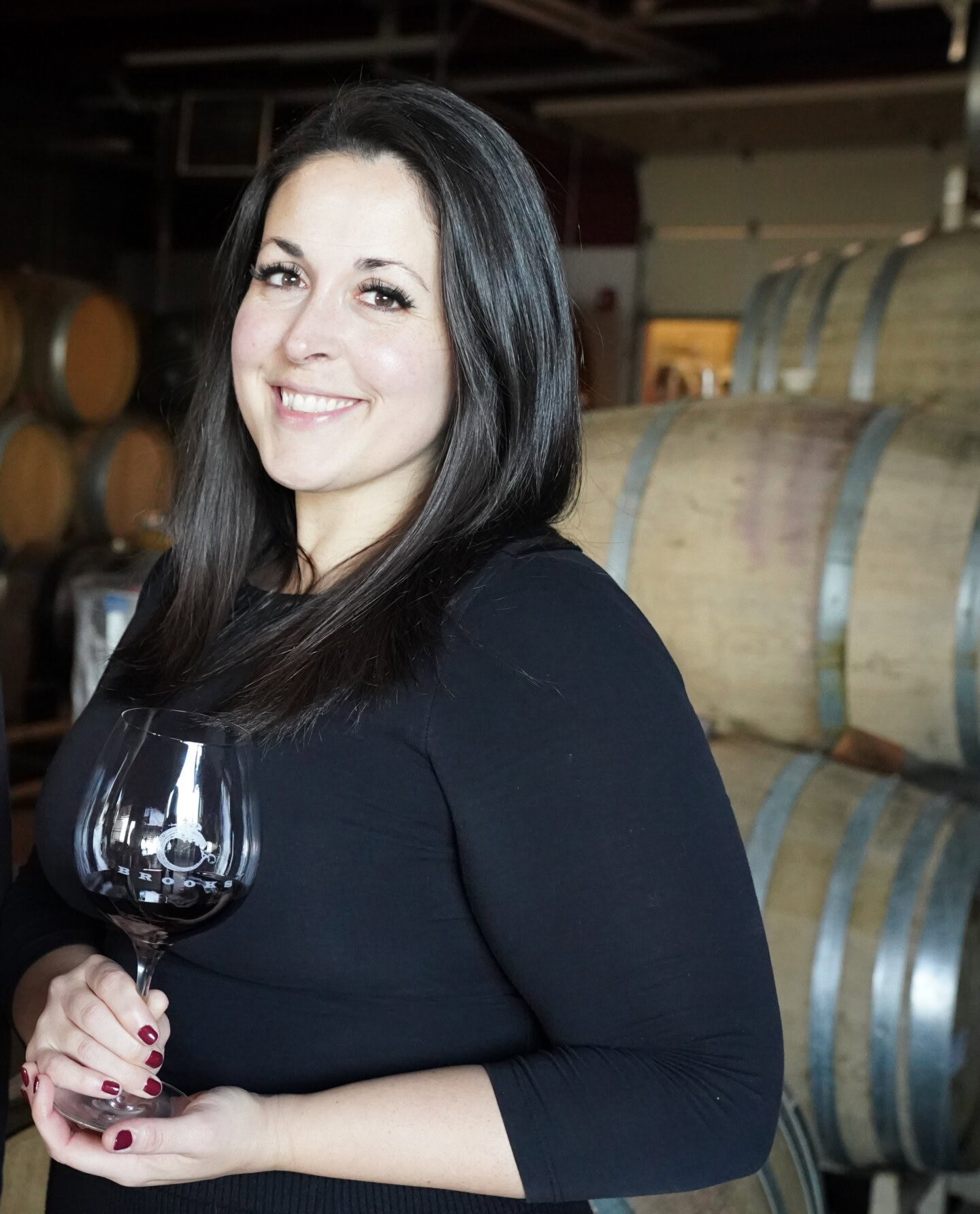
April Abate is a wine educator who loves helping people feel confident about what is in their glass. She is a Certified Specialist of Wine through the Society of Wine Educators and a Certified Executive Sommelier with the International Wine and Spirits Guild. With a diverse background in microbiology, education, hospitality, and sales, April brings science, clarity, and heart to her discussions about wine. Her goal is simple: to make wine more approachable by helping tasters understand not just what they like, but why they like it. For the past seven years, April has been part of the team at Brooks Wine in Oregon’s renowned Willamette Valley, sharing her passion for wines that tell a story of place and purpose. Drafting and refinement were supported by digital assistant software.