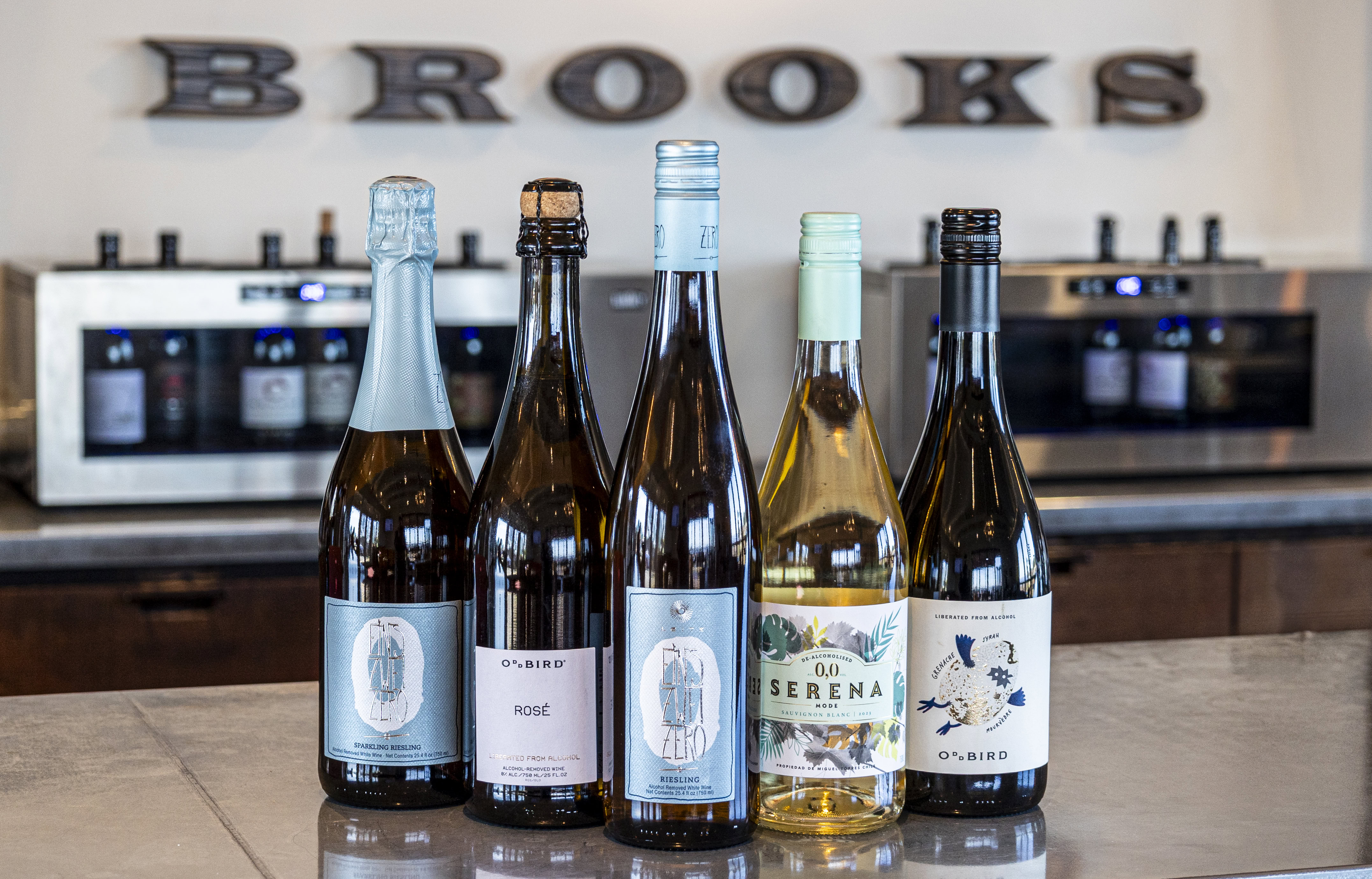
Non-alcoholic (NA) wine is no longer a passing trend. It is a permanent and fast-evolving category within the global wine industry. As mindful drinking, sober-curious lifestyles, and alcohol-reduction wellness trends continue to grow in 2026, consumers are seeking elevated alternatives that still deliver ritual, complexity, and food-pairing potential.
For those looking to enjoy wine without the buzz, or simply expand their dinner table options, non-alcoholic wine offers a sophisticated solution. Yet one question continues to surface among curious drinkers and seasoned tasters alike: What is non-alcoholic wine?
What is non-alcoholic wine?
Non-alcoholic (NA) wine starts out just like traditional wine. First, grapes are fermented by yeast into alcohol and complex flavor compounds. After fermentation, the alcohol is carefully removed to leave behind a beverage with the body, aroma, and acidity of wine, but less than 0.5% ABV (alcohol by volume).
So non-alcoholic wine isn’t just grape juice?
No. Grape juice is unfermented and much sweeter than NA wine. It also lacks the acidity, tannins, and complexity that both wine and non-alcoholic wine offer to a taster.
Remember, NA wine is real wine that has been dealcoholized. It is made from fermented grapes that are aged to develop flavor and structure. Then the alcohol is removed after fermentation through specialized processes like vacuum distillation, spinning cone technology, or reverse osmosis.
How is alcohol removed from wine?
There are three main techniques used to dealcoholize high-quality non-alcoholic wine:
1. Vacuum Distillation
In this method, the wine is placed under a vacuum to reduce the vapor pressure inside the container. At reduced pressure, alcohol’s boiling point is lowered, which encourages the alcohol to evaporate at around 85–95°F (30–35°C). This process preserves the delicate aromas and flavors that might be lost at higher temperatures. A condenser then collects the vaporized alcohol and returns it to a liquid state in a separate container. The alcohol is gently boiled off, and the remaining liquid is bottled as non-alcoholic wine.
Pros: Retains more flavor than boiling
Cons: Still involves heat, which can slightly alter the aromatics
2. Spinning Cone Column
This high-tech method uses centrifugal force and steam to separate wine into layers: aroma compounds, alcohol, and remaining liquid. First, aroma compounds are extracted and saved. Then, alcohol is removed at low temperatures. Finally, the aromas are reintroduced to restore complexity.
Pros: Very gentle on flavor; Ideal for premium wines
Cons: Expensive, so primarily used by larger producers
3. Reverse Osmosis
This filtration-based method uses a membrane with tiny pores to separate wine into two streams based on the size of molecules that can or cannot pass through the membrane. One stream is alcohol and water, which are the smaller molecules that can pass through the membrane. The other stream is comprised of flavor and color compounds, which are larger molecules and cannot pass through the membrane. The alcohol is removed from the first stream, typically through distillation. The purified water is then reintroduced to the flavor and color compounds.
Pros: No heat involved; Preserves subtle characteristics
Cons: Time-consuming and costly

Is there any alcohol at all in non-alcoholic wine?
Yes, but very little. In the U.S., beverages labeled “non-alcoholic” can contain up to 0.5% ABV, which is about the same as kombucha or ripe fruit juice. It is not enough to cause intoxication, but if you are avoiding alcohol for health, religious, or recovery reasons, be sure to check the label for the exact ABV and consult with your healthcare professional as needed.
Does non-alcoholic wine taste like real wine?
Yes…and no. Quality non-alcoholic wines can retain many of the aromas and textures of traditional wine, especially whites and sparkling varieties. However, alcohol contributes body and mouthfeel to a wine, so dealcoholized wines may taste lighter or less rounded. As the popularity of NA wines continues to climb, production quality has improved dramatically, and many 2026-era NA wines are now surprisingly close to traditional wine. Curious to learn more? Look for wine bars and wineries who offer NA wine flights to taste and learn.
Can I use non-alcoholic wine for cooking?
Yes. Just like regular wine, non-alcoholic wine can add acidity, fruitiness, and depth to recipes. It is a great option for those who want to avoid alcohol, but still enjoy classic wine-based sauces or marinades. Since most of the alcohol is already removed, there is no need to “cook it off.” This adds to the versatility of using NA wine in culinary spaces.
Is non-alcoholic wine healthy?
It depends. Non-alcoholic wines are typically lower in calories and sugar than regular wine, especially dry styles. Surprisingly, red non-alcoholic wines also retain antioxidants like polyphenols found in grape skins. However, some brands add sugar or flavor enhancers, so it is smart to read nutrition labels.
Potential Benefits
- Lower calories than traditional wine
- Often lower sugar in dry styles
- Red non-alcoholic wines retain some grape polyphenols and antioxidants (read more above)
Factors to Consider
- Highly processed products
- Added sugars or flavor enhancers
As with any food or beverage, moderation is key and individual needs/concerns will fluctuate from person to person.
Why should wine tasters try NA wine?
You do not need to give up your sommelier dreams to enjoy NA wine. In fact, there are plenty of reasons a wine enthusiast might want to explore this growing category:
- Palate Training: Use non-alcoholic wines to build vocabulary and sensory memory of structure, acidity, tannins, and terroir.
- Food Pairing Practice: Experiment with matching wine styles to cuisine without the full impact of alcohol.
- Wellness: Enjoy wine rituals without the dehydrating or calorie-heavy effects of alcohol.
- Social Flexibility: Sip something sophisticated at work events, family dinners, or nights off without impairment.
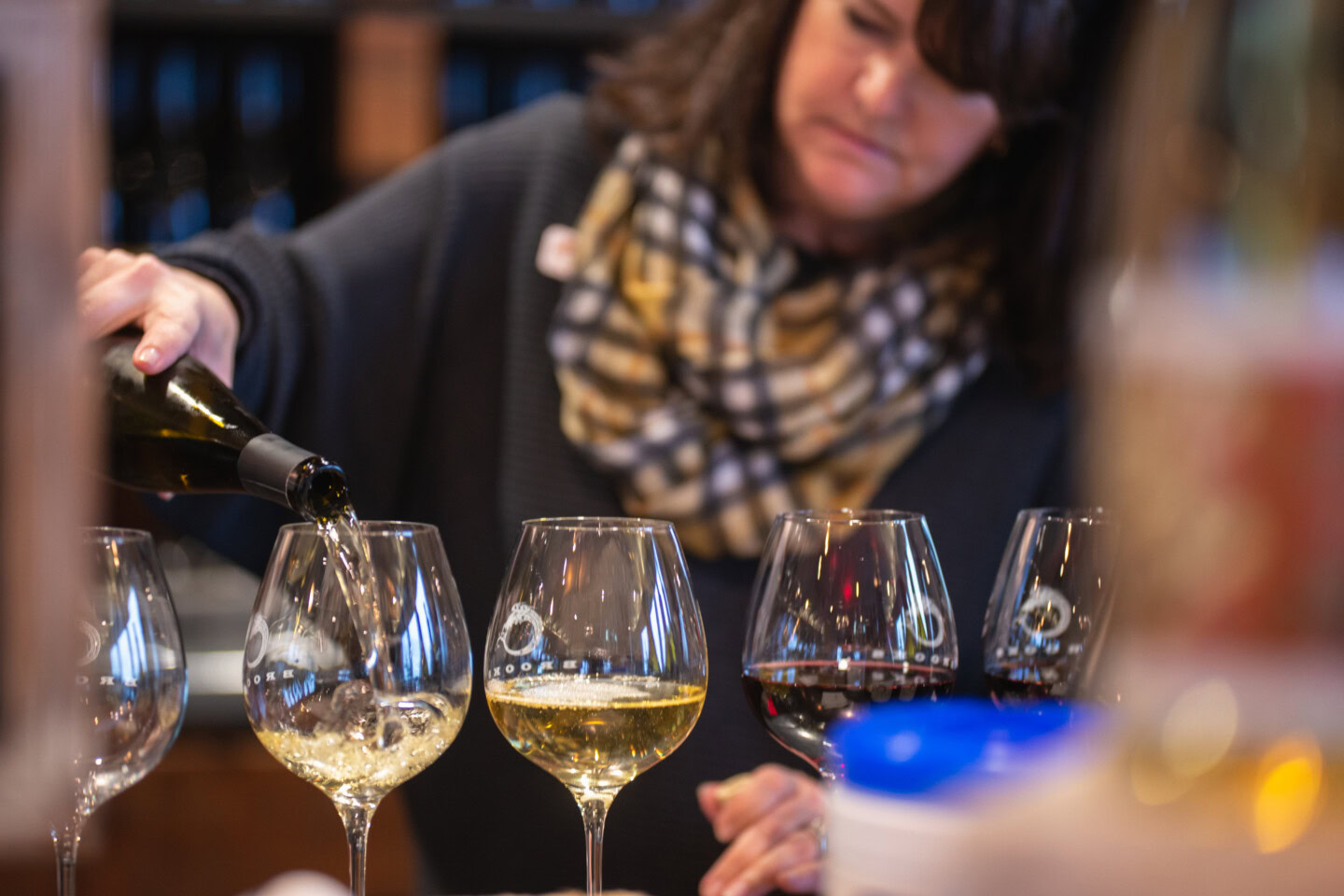
Traditional wine experts have been pleasantly surprised to observe some non-alcoholic wines even stand up to blind tastings. This has been especially true of sparkling wines and dry rosés, which maintain acidity and structure better than reds in the dealcoholization process. Curious tasters would be wise to locate wine bars or even supportive wineries that offer non-alcoholic wine flights for tasters to explore and educate their palates.
Top U.S. Non-Alcoholic Wine Producers to Try
The NA wine scene is rapidly evolving. While international producers have been exploring these production methods for quite some time, American producers (and retailers) are stepping up their game. Here are some standout brands:
1. Fre Wines
Often cited as America’s top choice for alcohol-removed wine, this producer is known for preserving flavor through dealcoholization, with varieties like Sparkling Brut, Chardonnay, Merlot, and Rosé.
2. Luminara
From Napa Valley, this is one of the few dealcoholized wines made with estate-grown grapes. Offers red blends with rich, oak-aged notes.
3. Sovi
Started by a sommelier couple, Sovi makes dry, refreshing sparkling rosé and red blends in convenient cans and bottles.
4. Surely
A California-based brand specializing in non-alcoholic sparkling rosé, brut, and still wines. Known for freshness and modern branding.
5. Studio Null
Gaining traction with their Prickly Red (alcohol-removed red) and other offerings, Studio Null is based in San Francisco, California and is often celebrated for makes Michelin-quality non-alcoholic wines.
Non-alcoholic wine is no longer a trend yielding products with compromised quality. It has evolved into a category offering choice, flexibility, and sophistication. Wine lovers now have new ways to enjoy the vine. Start with a sparkling option and let your palate be the guide. Cheers!
Updated 1/14/2026
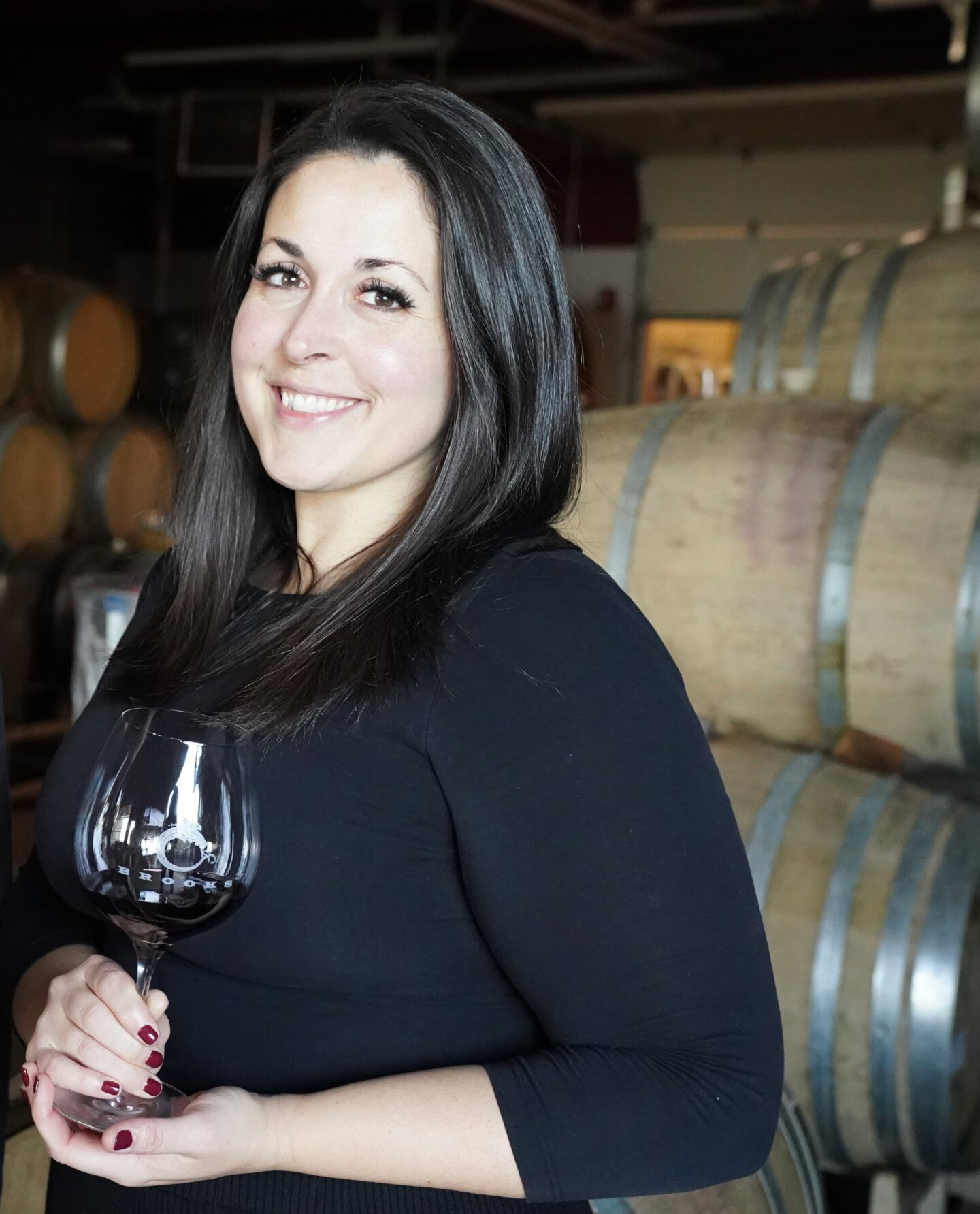
April Abate is a wine educator who loves helping people feel confident about what is in their glass. She is a Certified Specialist of Wine through the Society of Wine Educators and a Certified Executive Sommelier with the International Wine and Spirits Guild. With a diverse background in microbiology, education, hospitality, and sales, April brings science, clarity, and heart to her discussions about wine. Her goal is simple: to make wine more approachable by helping tasters understand not just what they like, but why they like it. For the past seven years, April has been part of the team at Brooks Wine in Oregon’s renowned Willamette Valley, sharing her passion for wines that tell a story of place and purpose. Drafting and refinement were supported by digital assistant software.