“We need to return to learning about the land by being on the land, or better, by being in the thick of it.”
-Gary Paul Nabham
We have long been storytellers; there is something innately human to drawing around a fire and sharing pieces of ourselves. This draw to storytelling still shows up in our lives to this day. They are on our screens, in the pages of books, in music, and they are in the garden. Even now, deep into winter, I can see the hidden lines of stories that make up my world. There is an old chain loosely hanging around the big cherry tree, and the old well that now serves as a planter box. They tell a story of farmers from many years ago who tended this soil and loved this land as I do today.
The trees tell me stories as well; they share them in their branches and scars, the way they lean and bend. By looking closely, we begin to decode the tree’s intent. Every old cut is a part of the narrative, prompting me to listen before I act. Understanding this history allows me to inform what comes next, ensuring that when I finally take my shears in hand, I am helping the tree grow toward its most resilient self. Often this is how it is with stories; our pasts influence our future. We grow and evolve beyond these past selves, but we keep the stories—sharing them as lessons, as hard-earned scraps of wisdom.

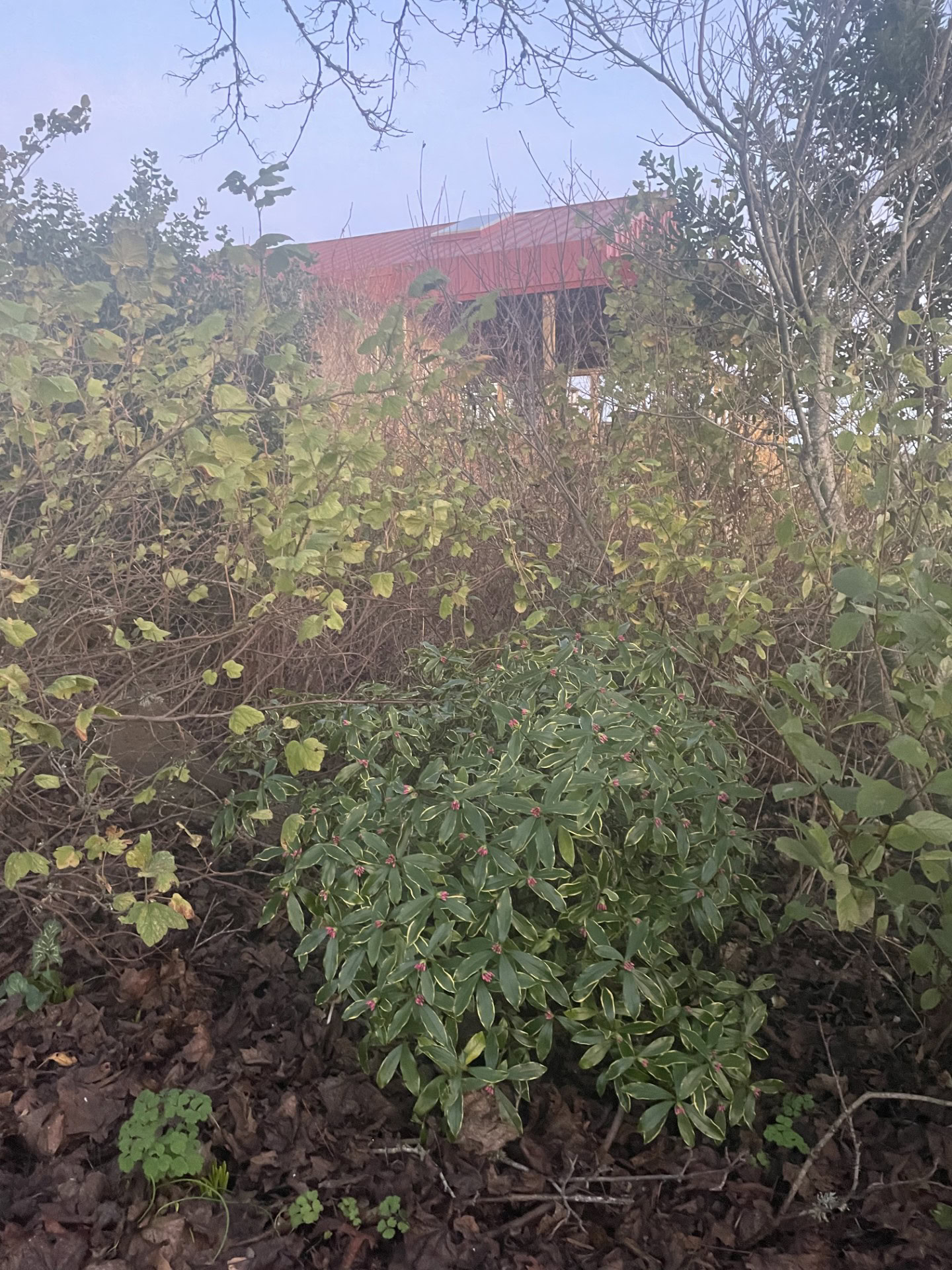
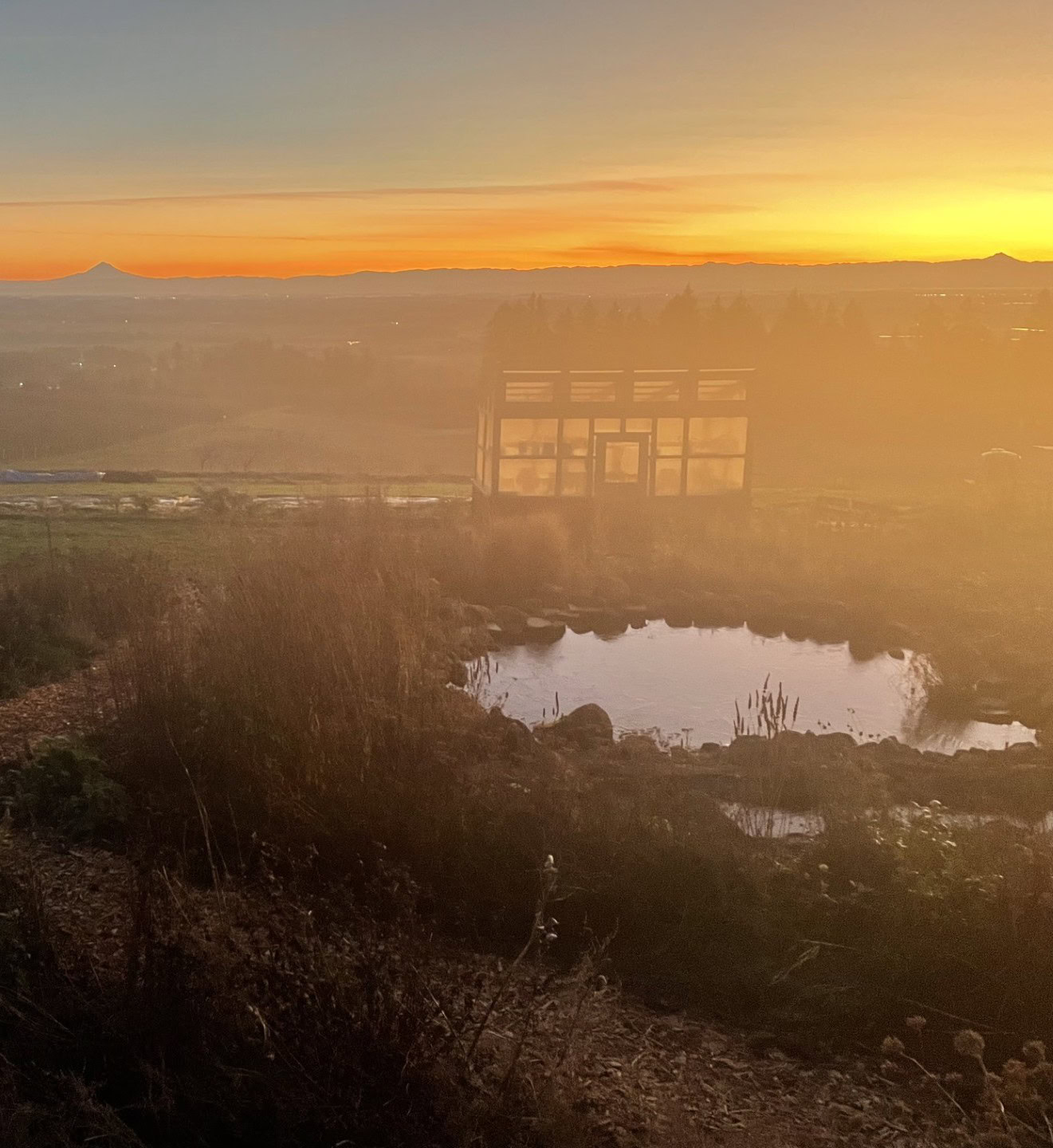
Over time, I have begun to leave my own stories in the garden. There is a curly willow tree growing at the far corner of the property. This small cutting was taken by my partner and me along a busy highway one day on our way home. I shared with him as we passed the mature curly willow that I always wanted to take a cutting of it, but was too nervous, given how busy the road was. He, with all his bravery, had me turn around. We parked on the shoulder of the highway as he calmly walked along the roadside and took cuttings. Now here it is, tucked in the corner of the farm, growing after all those years of wishing. A dream made a story, made a reality. I like to picture this slip of a cutting in a hundred years, long after I am gone, growing tall and unruly, providing shade, pollen for bees, and beauty. No one will know how it got there, but its presence on the farm will be valued all the same.
Falling back on our past narratives is not going to get us out of the unprecedented times we are facing. Instead, we will need to lean on what Gary Paul Nabhan calls restoryation. To walk the path of restoryation, is to choose to change the stories that we tell ourselves about our relationship with land. Stories matter; they inform our self-beliefs, and, by this nature, how we show up in the world. If we choose to continue to tell the story of humans as harmful for the planet, we will begin to think this is true and the only way forward. Instead, I want a story of reciprocity, of mutual care. We can benefit the land, and we can change the narrative.
We inevitably tell stories, stories of who we want to be, of how we became. There is something so beautifully human about this need. For the longest time, I have believed the narrative that humans will always and inevitably harm our earth. It’s this kind of story that lends itself to nightmares. We begin to believe that no matter what we do, we won’t be able to repair the damage to our world. However, something has changed in me; I can no longer stomach this narrative. I have closed that book, and instead I’m choosing to rewrite the story, one where humans give back to the land in equal measure for what we take. A world where communities come together to feed themselves and wildlife. Where one branch of a curly willow can become not just a dream, but an entire tree.
With Love from The Garden,
Shannon
P.S. A special note that none of the garden “clean up” involves cutting back the garden beds. All the stems and debris of the garden remain standing in the garden borders until March. This allows invertebrates and wildlife to have habitat and nourishment through the winter months.
Farm to Table
Our tasting room menu this month features a tasting menu that highlights ingredients grown in our very own estate garden and sourced directly from local producers.