
“In winter, wild places feel like being in a hushed house with a sleeper in the next room. A living stillness. It isn’t quite loneliness. More a pronounced absence.”
-Jarod K. Anderson, Something in the Woods Loves You
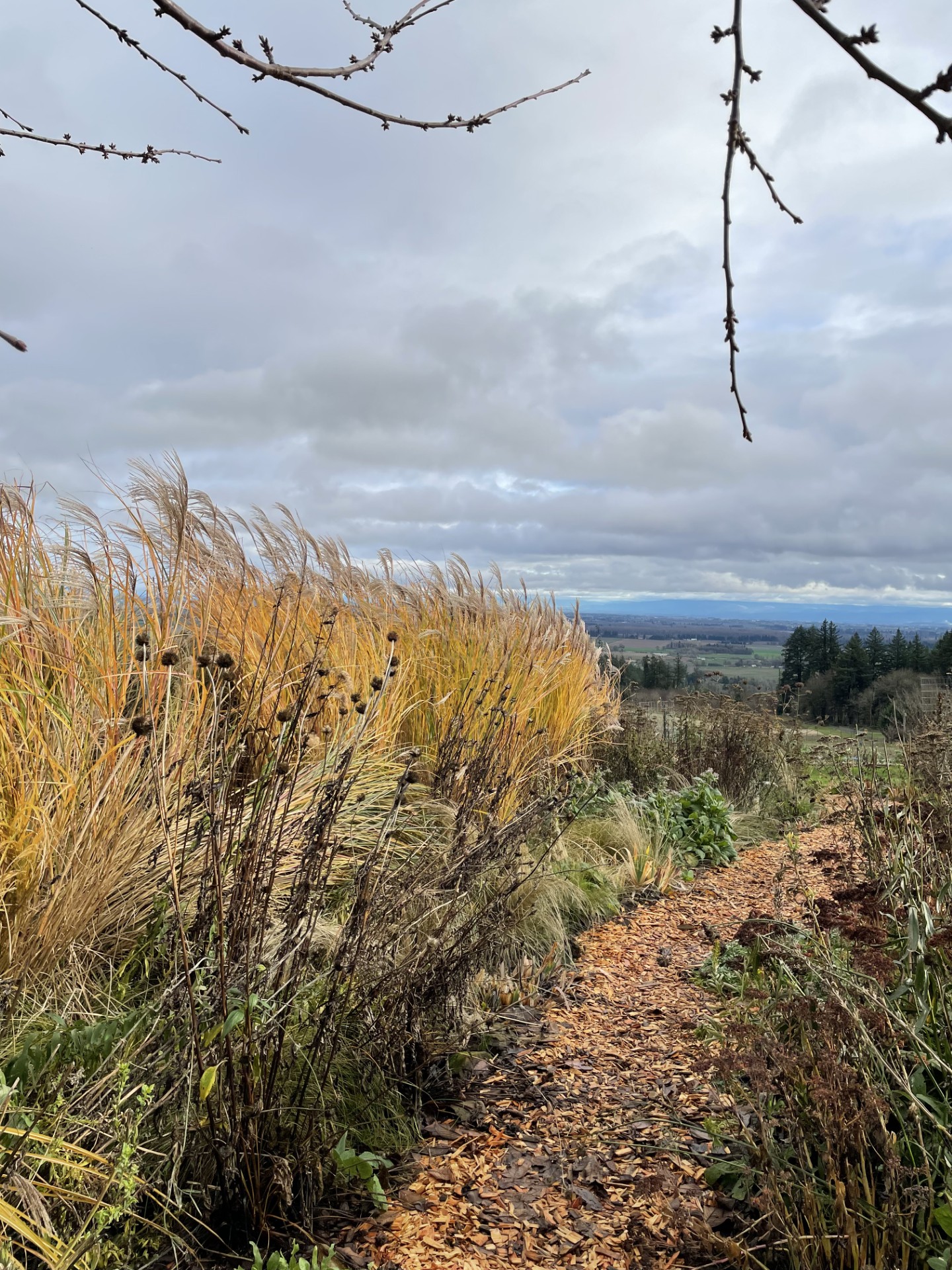
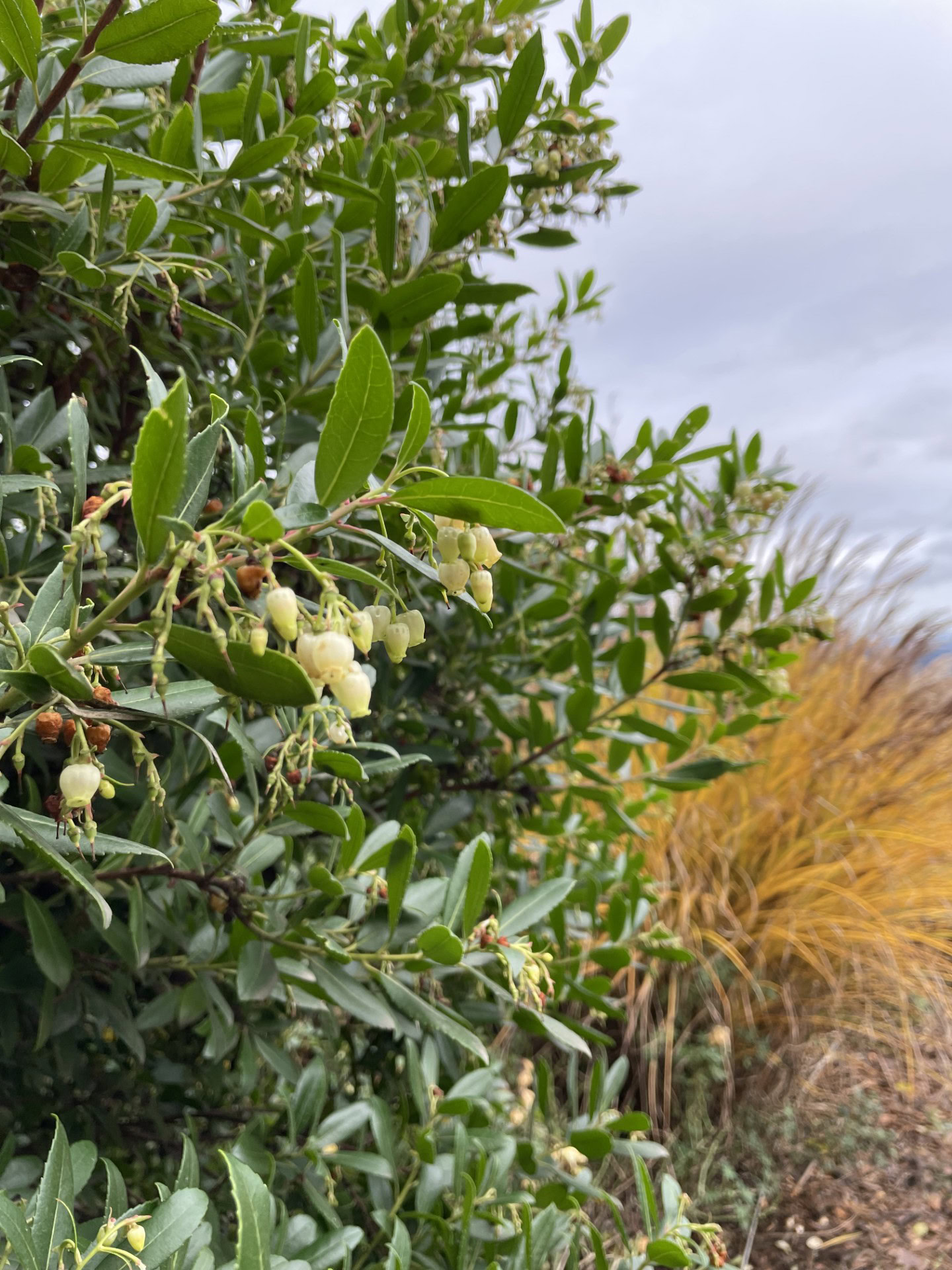
The quiet of winter has an immersive feeling; long gone are the expansive vistas of the garden. In summer, when I step back from weeding one of my garden borders, I am overwhelmed by the abundance of beauty. January brings a different kind of delight, one that requires you to look out beyond the snapped seed heads of echinaceas and the shaggy heads of the bunch grasses. The golden leaves of fall have surrendered their forms; now they lie still in raked piles amongst garden borders, moldering into blackened humus. Wintering means looking at the details, the lichen-covered branches of plum trees, or even the rocks blanketed in moss that line the garden paths.
With less daylight to be outside by, I find myself tucked inside for more of the day than is my norm. I spend this time examining the details of my own life, noticing the small detritus of everyday living that has slowly accumulated during the growing season. This is the time I spend sorting, reorganizing, and wiping down the dust and accumulation of the years. We are often invited to deep clean our spaces in spring, the adage of spring cleaning. I have always felt that spring is a time meant to be spent outside, gardening, wildflower gazing, and surrendering fully to the new growth and invitation for life.
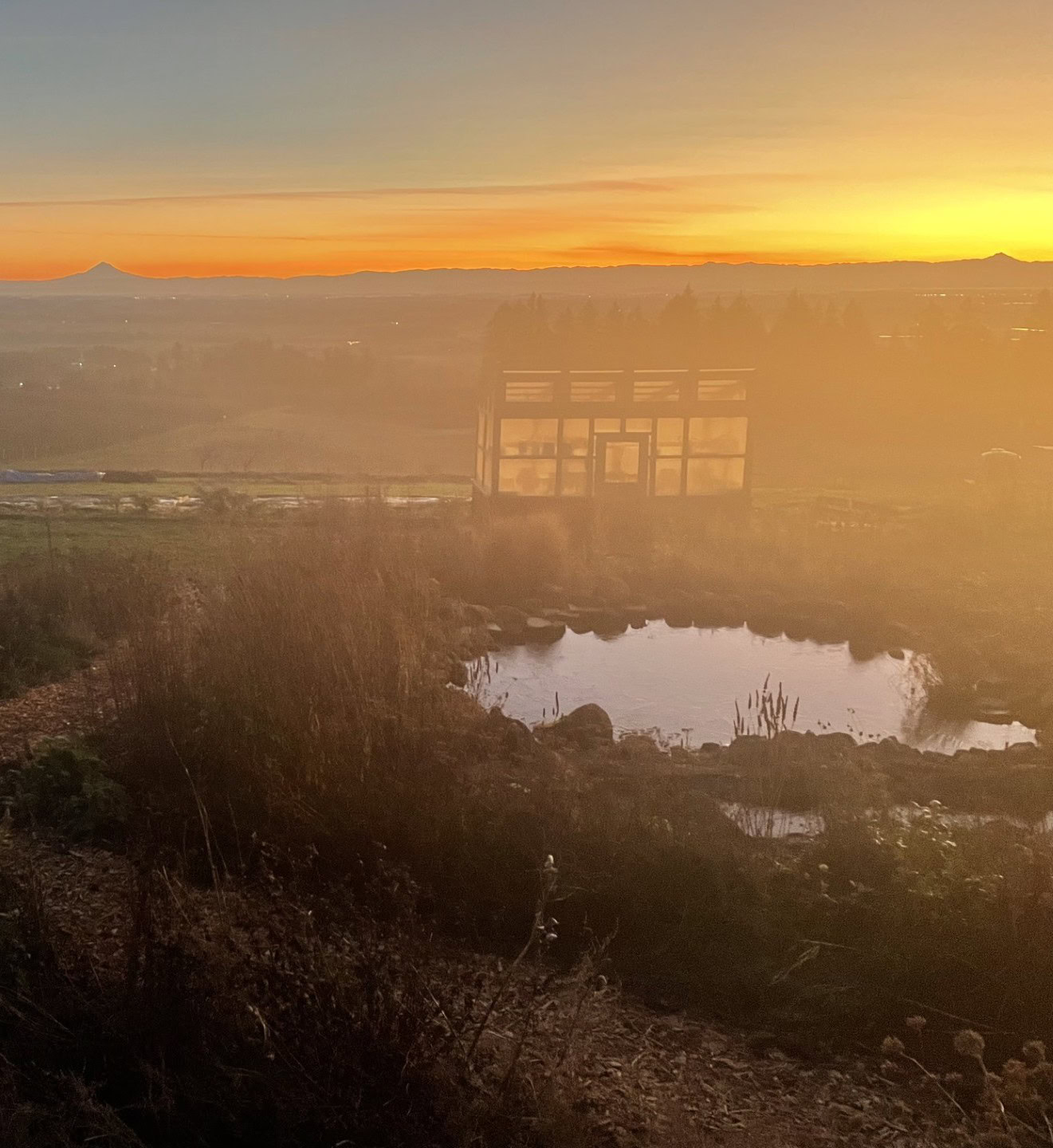
The cold winter nights, when fog enwraps our homes, and the holiday residue of old pine needles and the stray ribbon lingers in the corners of our hearths. This is the time to sweep up the debris, to fold the ribbons away for next year, and fully evaluate what we need in our lives. In the garden, the same is true, I spend the stormy days sorting old pots, organizing and sharpening tools, and repairing beekeeping equipment. In the greenhouse I sweep up stray potting soil and stack trays for this coming year’s seedlings. On milder days I can be found in the vegetable beds, weeding the garlic and mulching any exposed garden soil with straw.
There is a saying amongst garlic growers that fewer weeds lead to larger yields. It’s generally accepted that to grow good, strong garlic requires a weed-free environment, which is especially difficult given the nine months it grows in the ground. I find that, like garlic, I grow best when I have taken the time to organize, clean, and create spaces capable of taking on the mess of life again. Just like I know I will have to come back and reweed the garlic bed, I weed out my own life, knowing that I will come back to it again and again. The garden hoe will grow dull with use, my hive equipment will chip again, and the greenhouse will slowly accumulate potting soil in its corners. But amongst that, in the weed-free and sometimes clean in between, we can go about the work of growing our best selves. Scrubbed clean and with minimal clutter, ready for that muddy and flower-filled spring.
With Love from The Garden,
Shannon
P.S. A special note that none of the garden “clean up” involves cutting back the garden beds. All the stems and debris of the garden remain standing in the garden borders until March. This allows invertebrates and wildlife to have habitat and nourishment through the winter months.
Farm to Table
Our tasting room menu this month features a tasting menu that highlights ingredients grown in our very own estate garden and sourced directly from local producers.