- Simplify wine buying by narrowing your focus to a specific wine region, grape variety, or price range, helping reduce overwhelm and improve confidence when selecting bottles.
- Use tasting notes, expert wine reviews, and apps like Vivino to identify flavor profiles you enjoy.
- Building wine knowledge through experimentation, tracking favorites, and seeking recommendations from sommeliers or trusted sources helps refine personal taste and makes future wine purchases easier and more enjoyable.
Navigating a wine shop or an extensive restaurant wine list can feel overwhelming, even for experienced wine drinkers. With thousands of grape varieties, wine regions, production styles, and a wide range of price points, selecting the right bottle is not always intuitive. No need to fret. There are a few essential ways one can apply to wine buying to lead you to confident, informed decisions, especially when exploring new wines with confidence.
Step 1: Narrow Your Focus When Buying Wine
One of the easiest ways to reduce decision fatigue is to start with a specific parameter in mind such as region, grape variety, or price range. Move through each of the following categories one at a time.
Choose a Wine Region
Every wine-producing region has distinct characteristics that define its wines. If you already enjoy a particular country or area, use that as your guide. By focusing on one region, you can begin to explore its various styles without feeling overwhelmed by an extensive selection.
- Rich, full-bodied reds = Napa Valley, Bordeaux, or Barossa Valley.
- Crisp, mineral-driven whites = Chablis, Marlborough, or Oregon’s Willamette Valley.
- Bold, spicy reds = Rioja, Rhône Valley, or Sicily.
Pick a Grape Variety
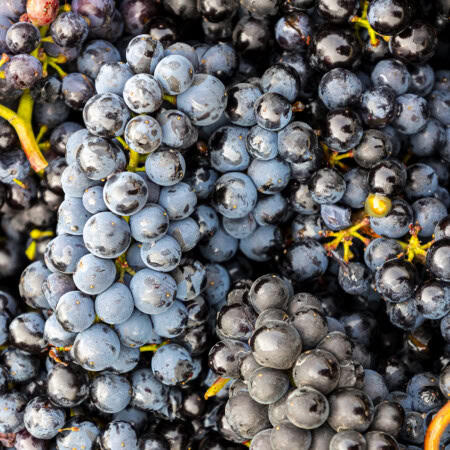
Starting with a familiar grape variety is one of the easiest ways to simplify your decision when buying wine. Choosing wine by grape allows you to focus on recognizable flavor profiles while exploring how different wine regions and winemaking styles influence aroma, structure, and taste. Popular grapes include Chardonnay, Pinot Noir, Sauvignon Blanc, and Cabernet Sauvignon.
For those who are new to wine, begin with a classic oak aged Chardonnay for its versatility (i.e., California producers), a fruit-forward Pinot Noir for approachability like those from Oregon wineries or a structured Cabernet Sauvignon for more bold flavor.
Pay attention to what you enjoy in each glass to refine your wine preferences, whether it is the aroma, the fruity taste profile, or the sensations on your tongue when you take a sip. The ability to pin point your preferences will allow you to make future purchases with confidence and will increase the likelihood that you will love that next bottle.
Set a Price Range
Having a budget in mind before you start browsing helps narrow your choices significantly, especially when you remove the false understanding that higher price guarantees higher quality. That is not always the case. An everyday wine under $20 from Washington state may be just as enjoyable as a special occasion bottle from Bordeaux, France for over $500. Setting a price limit keeps the selection process manageable and ensures you get the best value within your range.
Step 2: Use Tasting Notes and Wine Reviews When Buying Wine
Wine labels can sometimes be confusing or vague, but tasting notes provide insight into what to expect. Look for descriptions of aromas, flavors, body, and acidity to match your personal preferences. If you like fruit-forward wines, pay attention to notes mentioning “ripe berries” or “tropical fruits.” If you prefer something more earthy and complex, look for mentions of “spice,” “leather,” or “minerality.”
Professional reviews and customer ratings can also be valuable tools when buying wine because they tend to be less calculated when crafting their message than the wine’s producer. Websites like Wine Spectator, Wine Enthusiast, or Vivino offer expert reviews and user feedback that highlights the best wines within your chosen category. Checking these reviews before purchasing can help you make an informed decision and avoid disappointment.
It is important to note, however, that wine is highly subjective. Only awareness and study of your own personal preferences will lead you to enjoyable wines with consistency. Keep a record of wines that ring all the right bells so you can reference your notes as needed.

Step 3: Seek Recommendations from Experts and Trusted Sources
When in doubt, ask for guidance. Wine shop staff, sommeliers, and knowledgeable friends can provide excellent recommendations based on your preferences when buying wine. Provide details about wines you have enjoyed in the past to help them suggest bottles that match your tastFollowing wine bloggers, social media accounts, and online forums can expose you to curated recommendations tailored to different budgets, occasions, and pairings.
Better yet, lean into sophisticated AI tools designed to help you identify your taste preferences and recommend bottles.
Step 4: Experiment and Keep Track of Your Favorites
The best way to build confidence when buying wine is through personal experience. Keep a wine journal or use an app to note the wines you have tried. Include details on region, grape variety, and your impressions. Over time, patterns will emerge that help refine your preferences and make future selections easier. It may be education, but it has very fun homework!
While it may seem overwhelming, selecting wine to purchase can be simplified by narrowing your options. Take the time to understand key wine characteristics and keep track of your personal preferences so you can confidently select wines that suit your taste and occasion. After all, the entire point of the purchase is to allow you and your tasting companions to discover great wines with consistency. Cheers!
Updated 5/19/2026
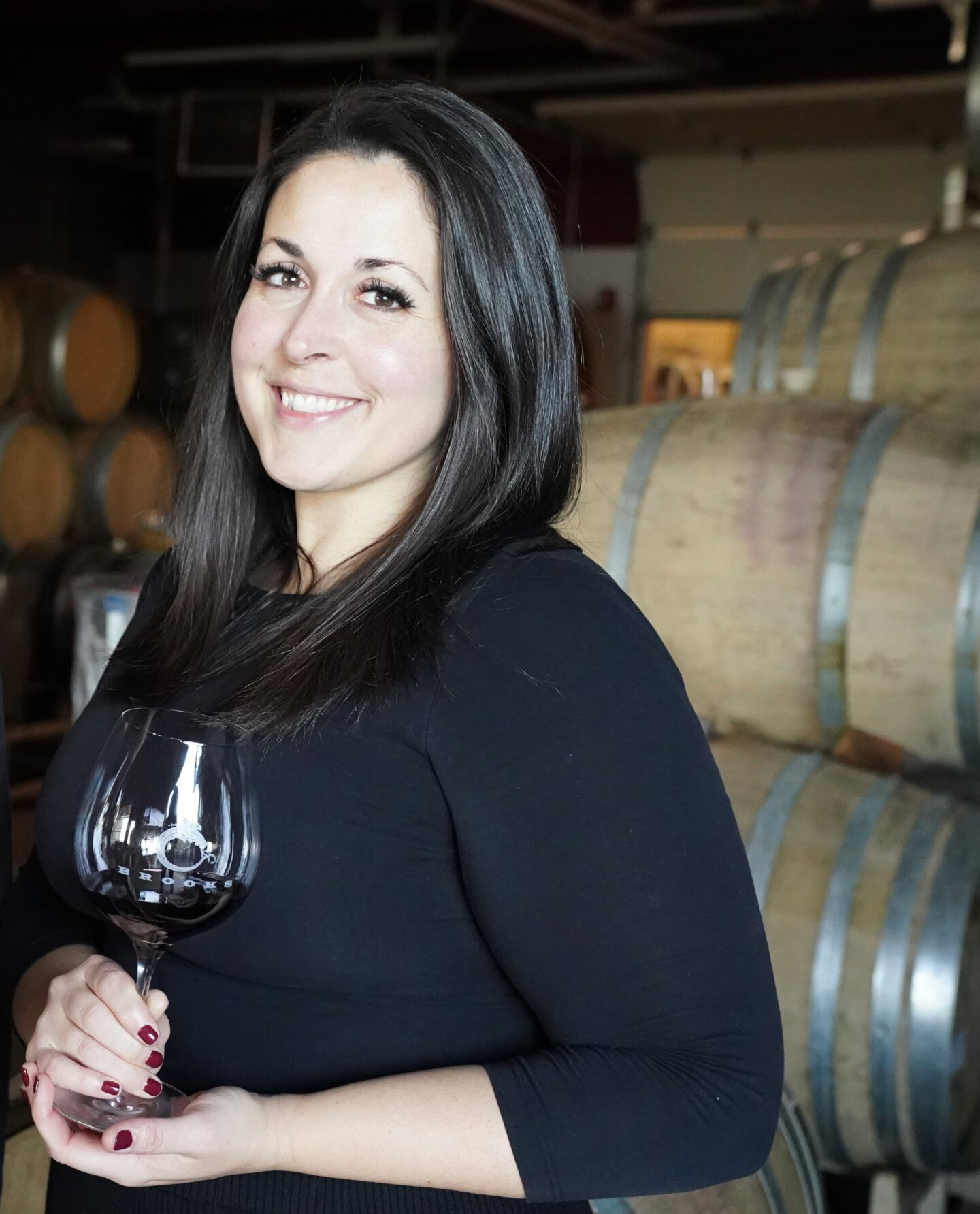
April Abate is a wine educator who loves helping people feel confident about what is in their glass. She is a Certified Specialist of Wine through the Society of Wine Educators and a Certified Executive Sommelier with the International Wine and Spirits Guild. With a diverse background in microbiology, education, hospitality, and sales, April brings science, clarity, and heart to her discussions about wine. Her goal is simple: to make wine more approachable by helping tasters understand not just what they like, but why they like it. For the past seven years, April has been part of the team at Brooks Wine in Oregon’s renowned Willamette Valley, sharing her passion for wines that tell a story of place and purpose. Drafting and refinement were supported by digital assistant software.