“But now, I see things differently. I think knowing about the natural world has more to do with the desire to belong to it, rather than own it.”
-Anne Raver, Deep in the Green
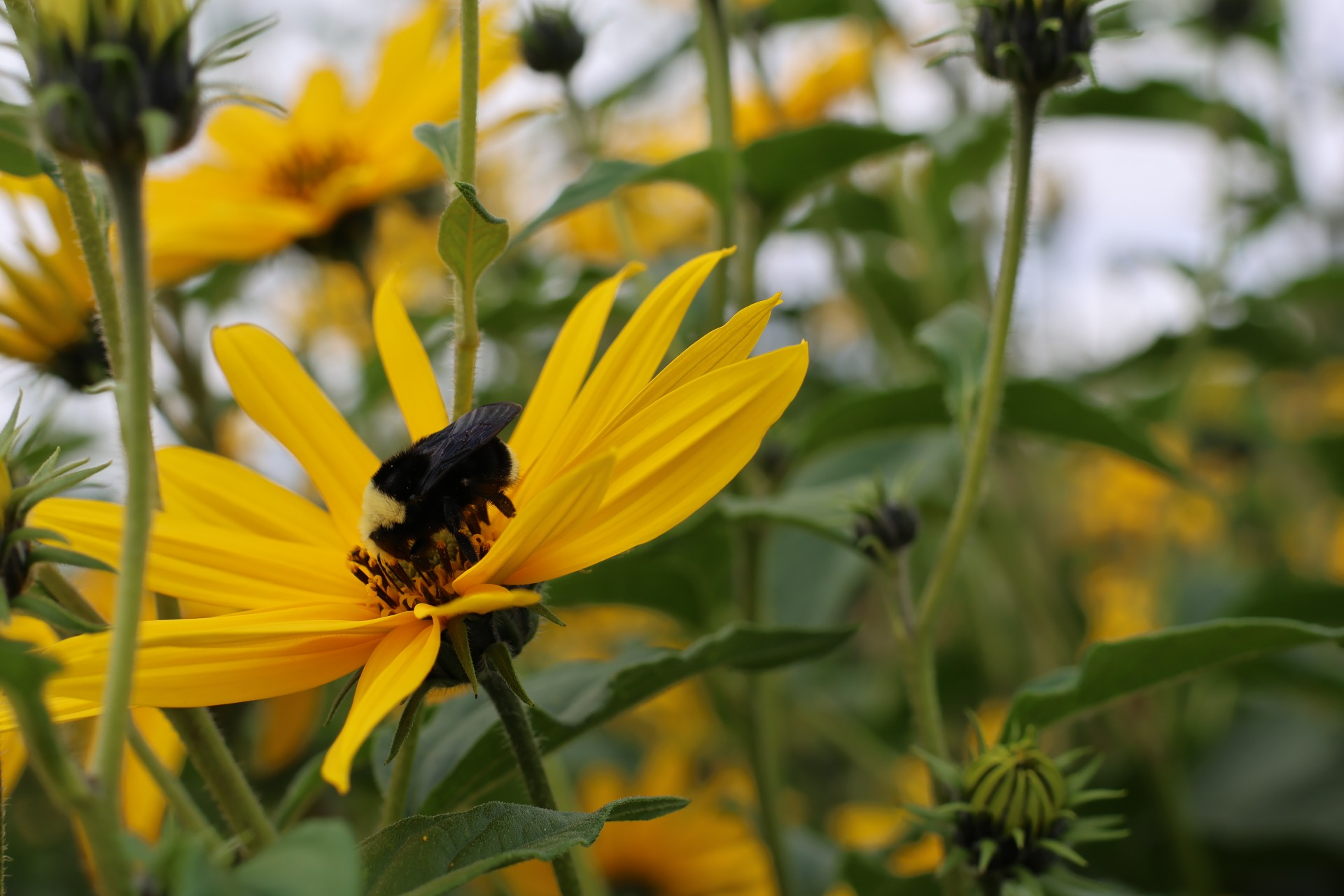
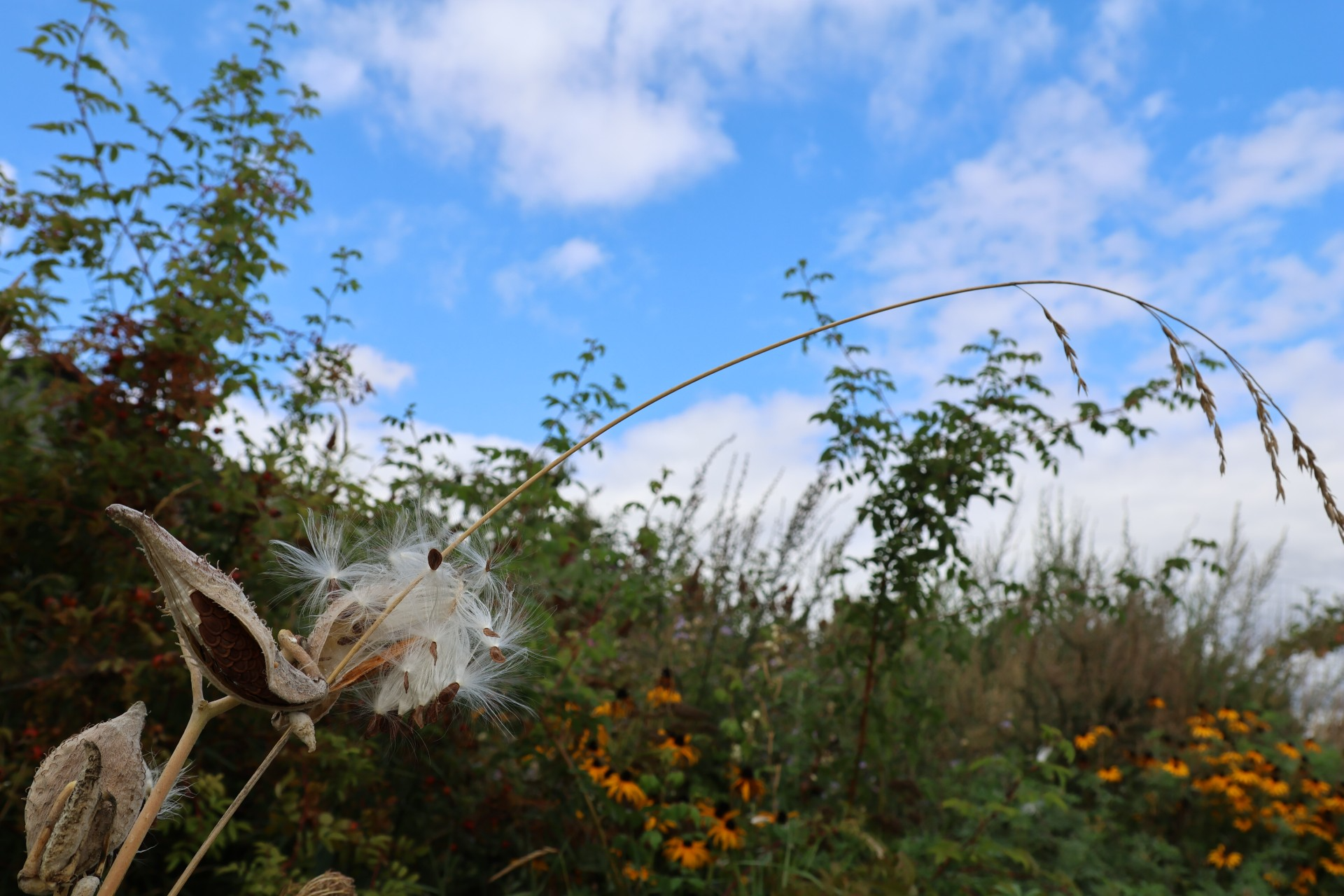
The mornings have been cooler, with long, languorous sunrises that cast light over the garden in a way that is distinctly autumn. Slowly, the sun’s angle has changed; sunbeams filter lower in the sky, making the yellowing leaves of trees glow. Dew clings to spiderwebs that have cast themselves between plants and trees in utter denial of summer’s end. Overnight, mushrooms have appeared along the woodchip paths and tucked into the garden beds, their cheerful yellow and grey fruiting bodies a friendly reminder of all we have done to improve the soil health.
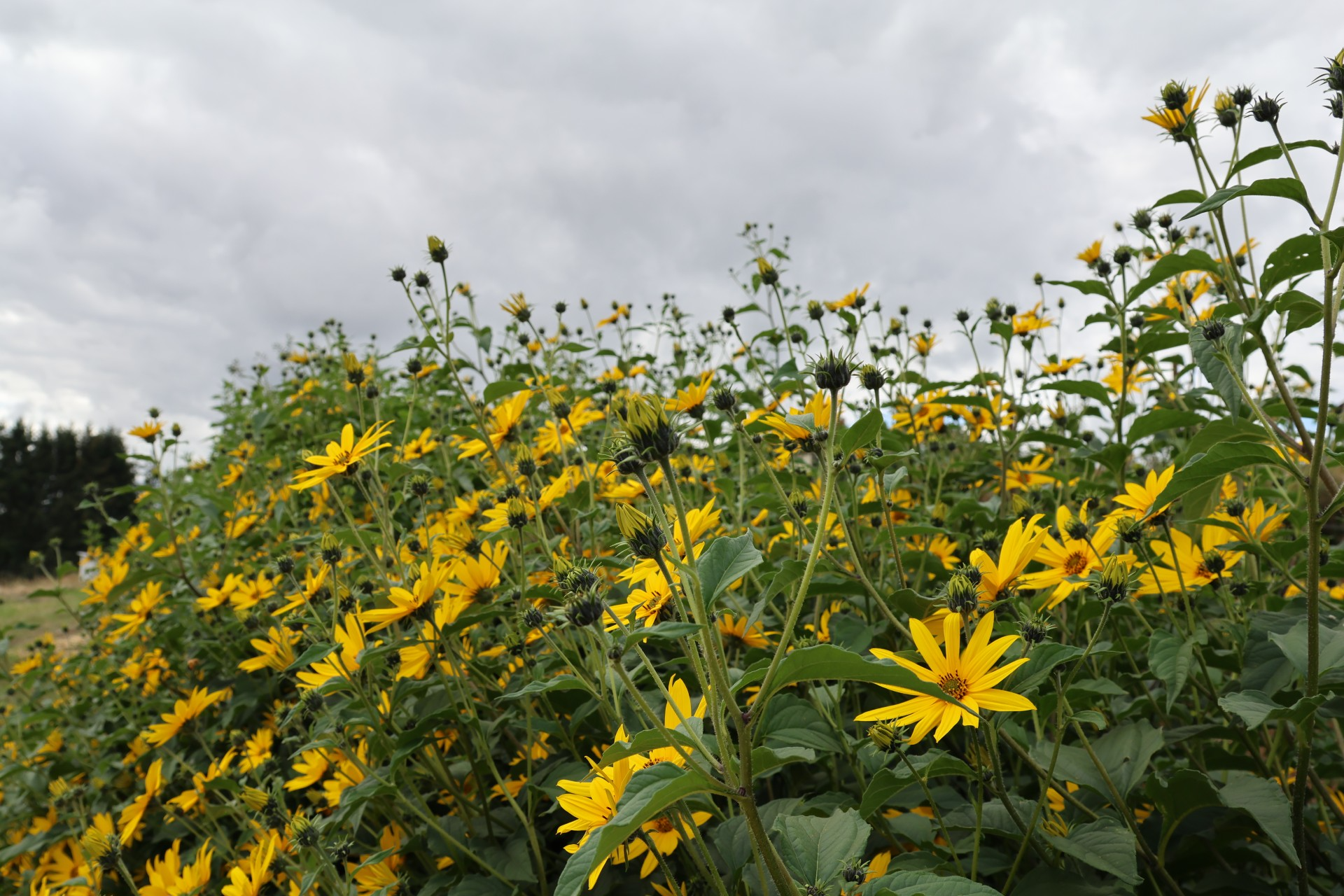
Unbeknownst to many, fall is a perfect time for planting. The rains return, and the weather cools, but the soil still holds enough warmth for new additions to root and establish before next year. Knowing this, I go about the garden, propagating native plants like yarrows, asters, and goldenrods. I select native plants with flowers that slowly creep and spread over time, supporting the broader web of life. As the estate grapes are trundled into macro bins and brought into the winery, I follow in their wake, spreading compost among the vines. Then, with a wooden seed tray in hand, I start planting, tucking those scattered pieces of the garden back out into the vineyard: along the end posts and in the quiet nooks and crannies.
When harvest is complete, I open the gates to the chicken run, and out comes a feathered frenzy as the hens rush into the vineyard to clean up the scattered grapes that remain between the vines. Immediately, that sense of personality returns to the farm. There is no denying the sheer joy of a flock of chickens running full force toward you through the vineyard rows. Beyond their charm, the chickens act as true partners to the vines, increasing fertility, aerating the soil, and controlling insect pests.
As I go about this work, walking hedgerows, cleaning out bird boxes, and mowing down tenacious blackberries, I can’t help but continue to envision the future of the land. The ideas have become endless over the last few days: new ways I can picture bringing the wilderness back to these old vines. The list of potential is overwhelming, but it gives me hope. It is a long arc of working in tandem with the land, knowing I will have a front-row seat to see what works and what doesn’t. It all stemmed from a simple question I began to ask myself: What is the soul of a place?
Looking for the soul in the land will have you finding ways to increase that feeling in your tended space. The land is no longer a “thing,” but a living being deserving of your love and care. The soul of the land is found in those fluttering wild birds, in the lichen and moss-covered trunks of our old vines. It’s the animals running through the vines, and the flowers and grasses that make up the understory. From that simple question, we can open up a real relationship with the land instead of purely managing it. This is the work that gives me hope: the small, secret thrill of a late-season Douglas aster growing on a vineyard end post, and picturing how that single plant can be a seedbed for so much change.
With Love from The Garden,
Shannon
Farm to Table
Our tasting room menu this month features a tasting menu that highlights ingredients grown in our very own estate garden and sourced directly from local producers.