
“There can be no purpose more inspiring than to begin the age of restoration, reweaving the wondrous diversity of life that still surrounds us.”
-E.O. Wilson
As I write this from my home office, I can see above in the treeline the silhouette of an oak tree branch. I come from a land where oak species are so prolific that they have even been known to hybridize. The oak genus, Quercus, has always reminded me of home. Now here, in the Willamette Valley, in my chosen home, we have only one species: the Garry oak, or Oregon White oak, Quercus garryana.
From where I sit, safely tucked inside from the winter rains, my eyes follow the pivoting branch patterns of the oak. Each oak is so uniquely its own, bending here and there in ways that seem to signify different personalities. The fine, pinnately lobed leaves have finally dropped and collected at the base of the tree, slowly breaking down and feeding the soil life. This tree is still young, as oaks are known to grow slowly for hundreds of years. Yet, even in its short life, it has managed to start reforesting my own backyard, where three small baby oaks are now growing. I leave them in their place, knowing their ecological role is deeply valuable. Most oaks serve as keystone species, meaning they play a crucial role in the ecosystem. If the oak were to be removed, much like the keystone in architecture, the ecosystem would crumble.
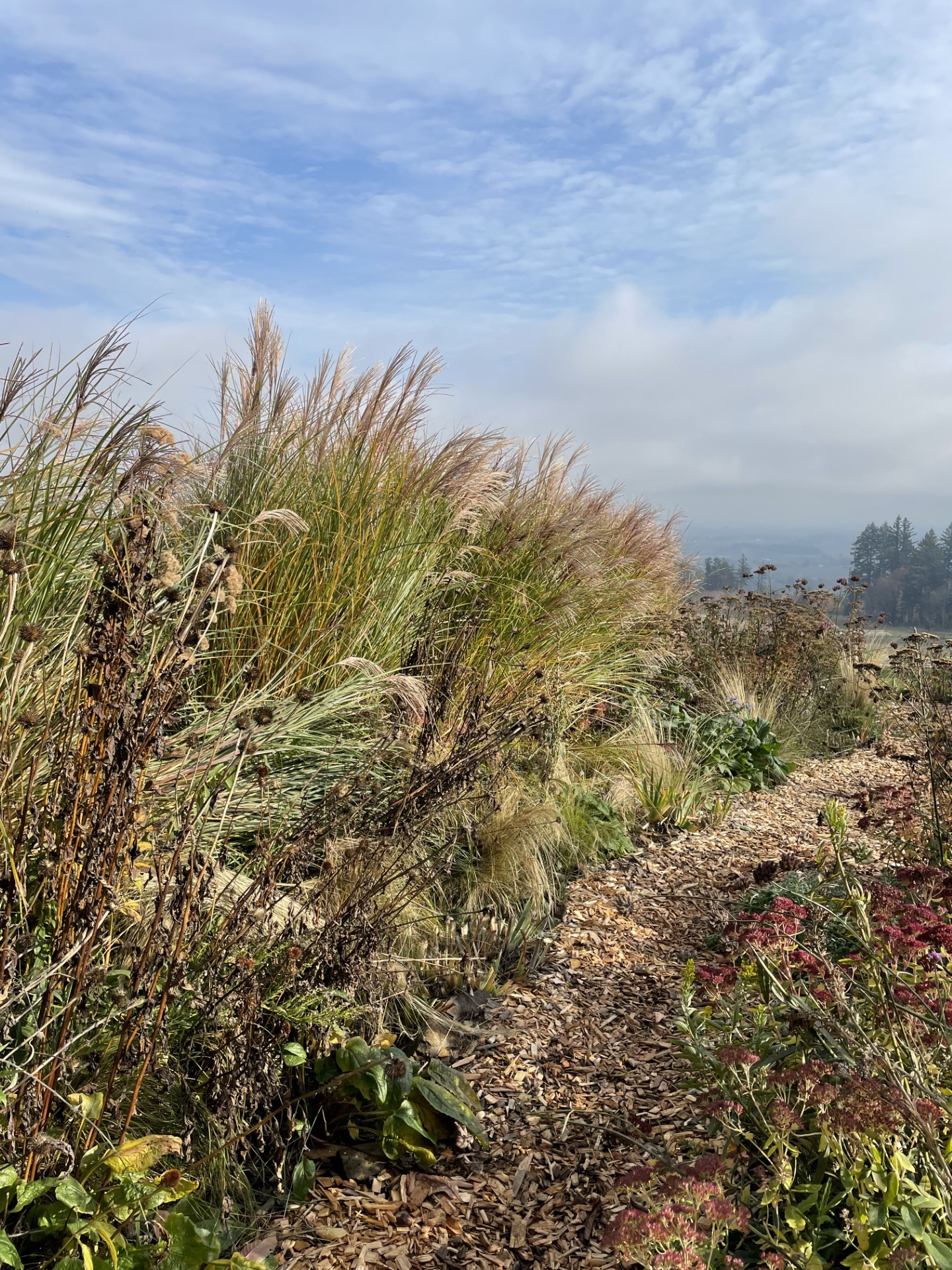
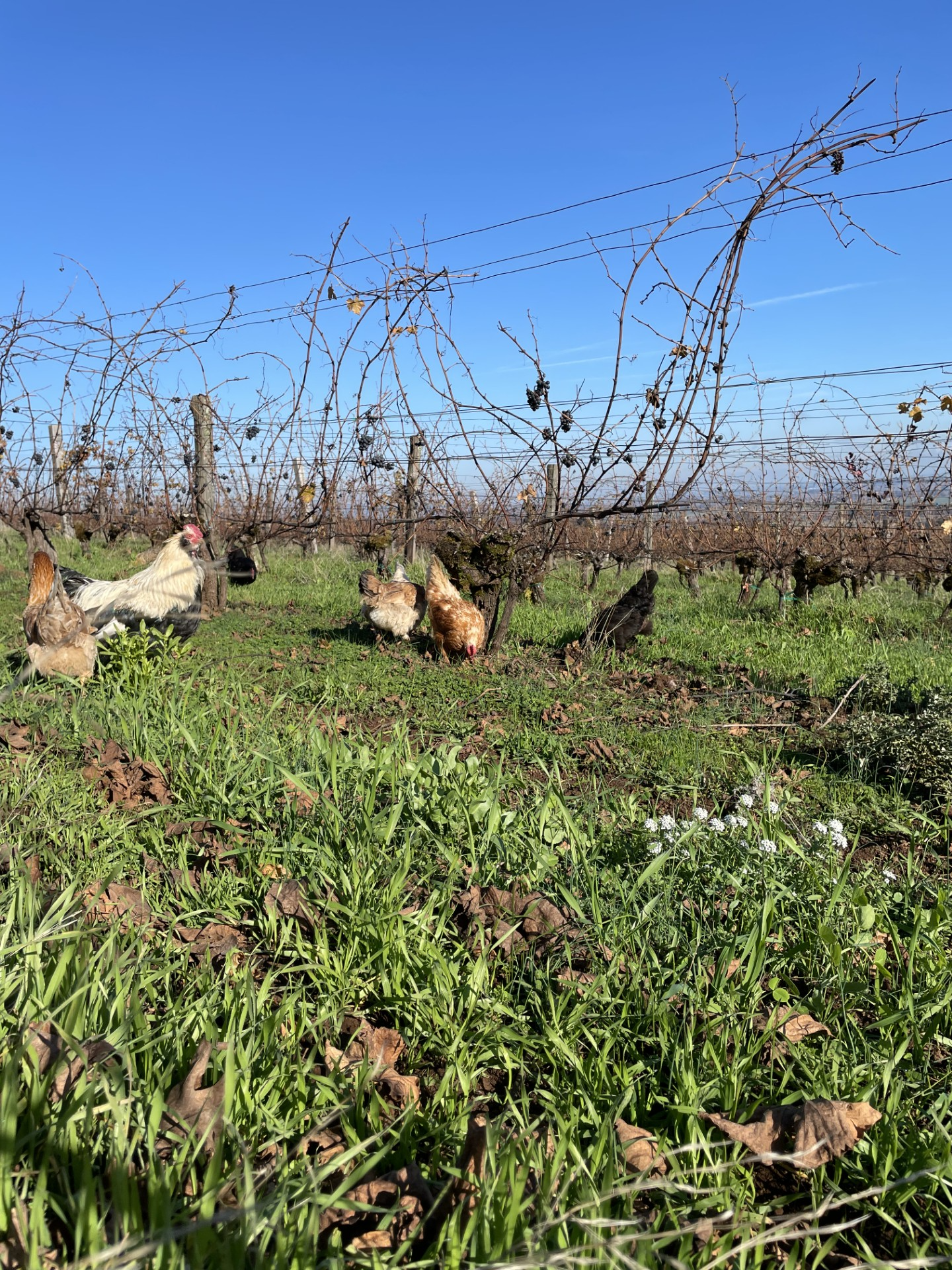
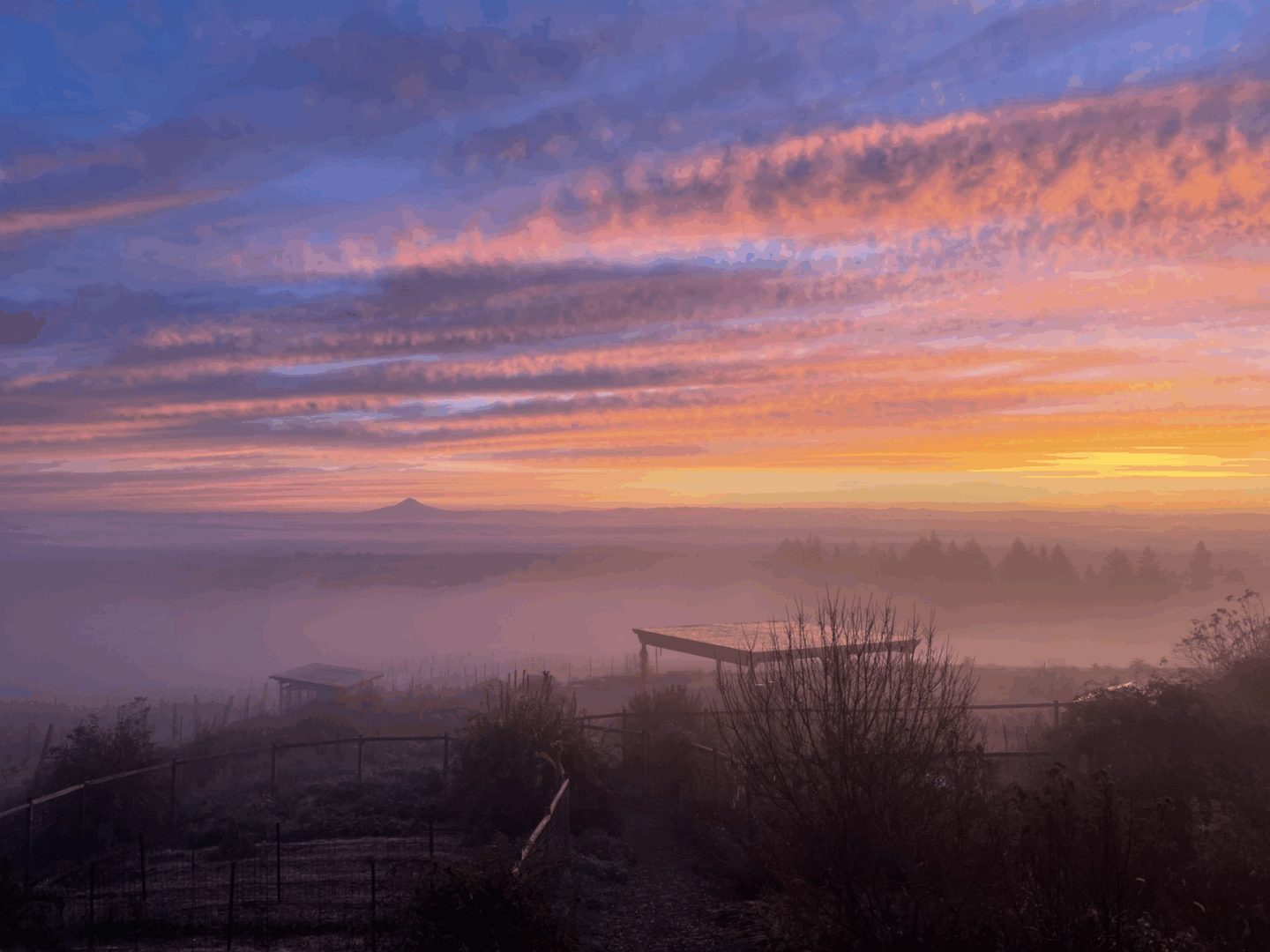
I am deeply familiar with the concept of keystone species, but it was only recently that I heard gardeners refer to themselves as keystone species. Although the concept was novel to me, it immediately struck a chord. We, as gardeners, can choose to tend land in ways that improve our ecosystems, and thus we ourselves become a valuable part of the system. Humans can be more than agents of destruction; we can choose to reduce our lawns, plant natives, and tend to baby oak trees. By these acts, we fold ourselves into part of the ecosystem. Gardening this way becomes one of the ways of knowing nature, and thus ourselves.
Gardening as a keystone species means gardening in a way that furthers the ecological well-being of the land you tend. It takes the shape of leaving your garden stems and leaves over winter. I see it in the loving bowing and kneeling to the earth to weed our plots. It’s in the arch of the willow arbor that my vining plants have slowly started to climb. In the thick layering of compost to grow food for the ones we love. Without these actions, our gardens would be entirely different spaces. The hollow stems we leave become habitat for the large indigo mason bee, the bat box, and the bird boxes I hang become homes for each in turn.
With winter closing in on us, I take solace from knowing that although this may be a period of rest from much of the work of the garden, the garden will need me soon, and I need it. As much as I am a keystone species in the garden, gardening is a keystone to my life. By connecting me to the broader ecosystem, I am better able to understand my small place in this world, but also to celebrate the meaning I still make in it. Gardening as a keystone species gives purpose to our everyday small lives; it tells us that we matter, that ecosystems depend on our actions. It reminds us of the mutual flourishing of our gardens and ourselves.
With Love from The Garden,
Shannon
Farm to Table
Our tasting room menu this month features a tasting menu that highlights ingredients grown in our very own estate garden and sourced directly from local producers.