Quick Facts:
- Wine is made by fermentation, in which yeast converts grape sugar into alcohol, while choices like native yeast, temperature, and fermentation vessels shape the wine’s character.
- Wine making choices like native yeast, temperature, acid and sugar additions, and fermentation vessels shape the wine’s character.
- New oak adds flavors such as vanilla and spice, while neutral oak mainly helps with maturation.
At its simplest, wine is made by fermenting grapes.
That simple process leaves plenty of room for winemakers to make decisions that dramatically influence the finished wine. Continue reading for an overview of what happens between the vineyard and your glass, and why each step matters.
How Is Wine Made?
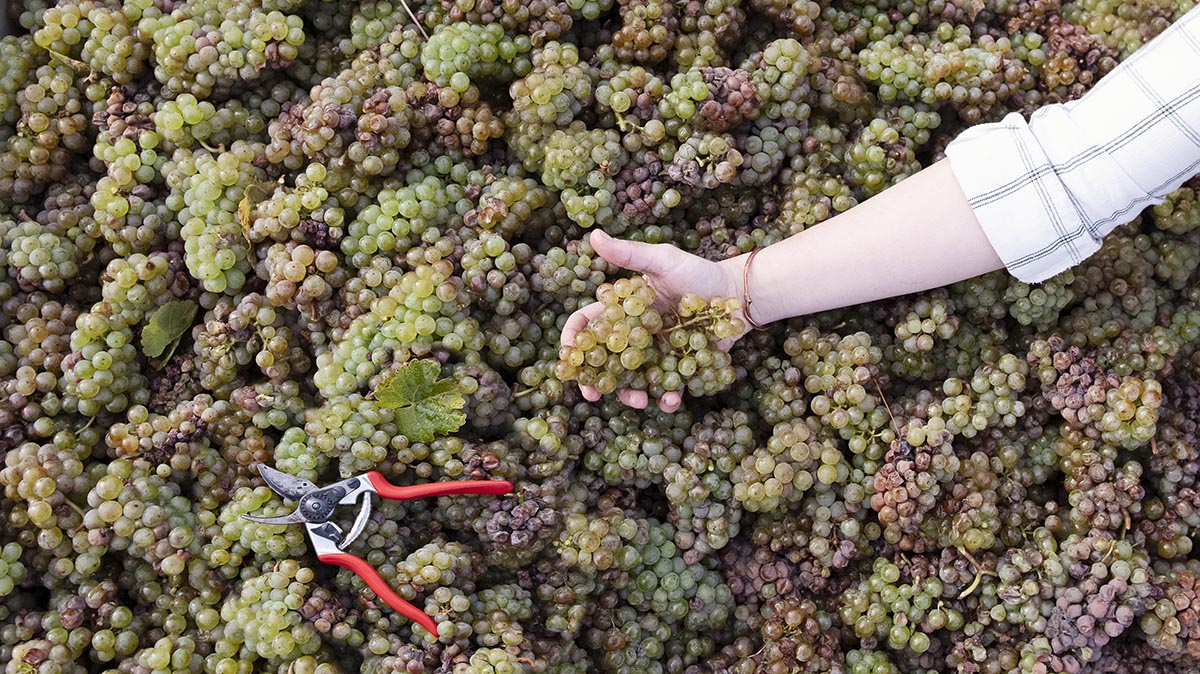
Winemaking begins when grapes are harvested and brought to the winery. Depending on the style of wine, the grapes may be destemmed, crushed, or pressed immediately.
For white wine, grapes are typically pressed soon after harvest so the juice can ferment without extended contact with the skins. For red wine, the juice usually ferments together with the skins, which provide color, tannins, and flavor. Rosé falls somewhere in between with limited skin contact, sometimes as short as just a few hours.
Once fermentation is complete, the wine is pressed, clarified, aged, blended, and bottled.

What Does Native Yeast Mean?
Fermentation all begins with the natural yeast, often referred to as native yeast. Native yeast, also called wild, indigenous, or ambient yeast, are microorganisms that naturally settles on the skin of the grapes, in the vineyard, and around the winery.
Instead of adding a commercially produced yeast strain, a winemaker can allow native yeast to start fermentation. Some winemakers prefer this approach because native yeast can contribute distinctive aromas, flavors, and textures that reflect a particular location, or terroir.
Why does it matter? Native fermentations can be slower or more variable than fermentations using commercial yeast in winemaking. Commercial yeast strains are selected for specific characteristics and can give the winemaker greater control. Neither approach is inherently better. They are simply different tools for making wine.
Think of yeast as a PacMan, of sorts. It spends its life in search of sugar to consume as often and quickly as it can. And the juice from ripe grapes provides ample natural sugar. When the yeast consumes a unit of sugar, it converts the sugar into a unit of carbon dioxide gas that typically releases into the air and a unit of ethanol, or alcohol.
What Is a Punch Down vs. a Pump Over in Winemaking?
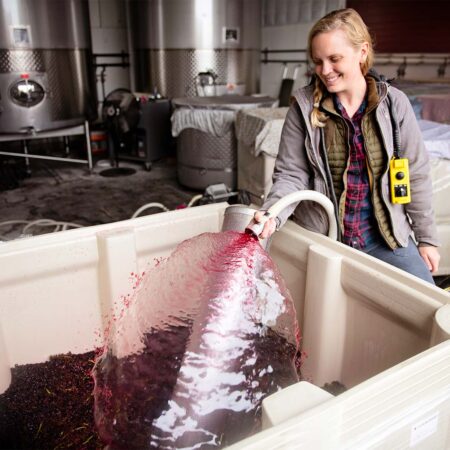
During red wine fermentation, grape skins naturally rise to the surface and form a layer called the “cap.” Winemakers need to mix the cap back into the juice to encourage even fermentation and extract color, tannin, and flavor from the skins. The winemaker can accomplish this task by performing either a punch down or a pump over. Or a combination of both.
A punch down is, well…exactly what it sounds like. The winemaker physically pushes the floating grape skins down into the fermenting wine. As an amusing side note, the tool used to do this looks similar to a toilet bowl plunger with an extra long handle.
A pump over uses a pump to draw liquid from the bottom of the fermentation bin and spray or pour it over the cap.
Both methods mix the wine and skins, but they can provide different levels of extraction during winemaking because the grapes experience different amounts of agitation. For this reason, volume matters. Punch downs are particularly common with smaller fermenters and open-top vessels (e.g., macro bins), while pump overs work well with larger tanks.
Why Do Winemakers Add Acid or Sugar?
Grapes do not always arrive at the winery with the ideal balance of sugar and acidity. Weather, grape variety, vineyard location, and harvest timing can all affect their chemistry.
If grapes are too low in acidity, a winemaker may add tartaric acid to increase freshness and balance. Without enough acidity, wine can taste flat or heavy.
Some winemakers may also add sugar to fermenting grape juice. This is known as “chaptalization” and is used to increase the alcohol level when grapes do not contain enough natural sugar. Feel free to refer to the section above on yeast to refresh your memory on how alcohol is created.
These additions are not necessarily about making a wine “better” or “worse.” They are tools for adjusting the raw material and achieving balance. Importantly, regulations governing sugar and acid additions vary significantly between wine regions.
On the other hand, some producers prefer to approach wine making from a more natural perspective. Demeter certified Biodynamic wineries, including Brooks Wine, are an excellent example. Biodynamic winemaking is a holistic approach to viticulture and cellar practices that treats the vineyard as a self-sustaining ecosystem with an emphasis on soil health, biodiversity, natural preparations, composting, and farming practices guided by seasonal and lunar cycles.
In the cellar, Biodynamic wines generally aim for minimal intervention winemaking, often referred to as “low intervention” wine making. The idea is to allow the intrinsic character of the grapes, site, and vintage to come through with limited manipulation and attentive stewardship. This philosophy aligns with a focus on preserving the wine’s natural balance and expression, including making wines with no additions of sugar nor acid.
What is the Different Between Open Fermentation and Stainless Steel Tanks?
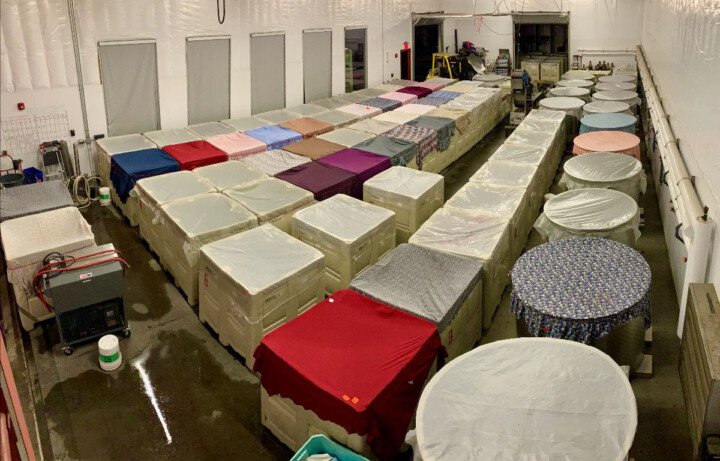
Wine can ferment in many different vessels, including open-top containers and enclosed stainless steel tanks.
An open fermenter gives the winemaker easy access to the grapes and makes punch downs straightforward (but still not “easy” by any stretch of the imagination). It also allows greater exposure to oxygen and the surrounding environment. Open-top fermentation is particularly common with red wines such as Pinot Noir and Cabernet Sauvignon.
Stainless steel tanks are enclosed, easy to clean, and highly controllable. They allow winemakers to carefully manage fermentation temperature and limit oxygen exposure. This fermentation vessel is preferred for crisp white wines including Riesling and Pinot Gris.
Why does that matter? Temperature and oxygen can affect fermentation speed, aromas, color, tannin extraction, and the overall texture and style of the wine. They also impact the speed of growth for unpleasant growth of bacteria, so monitoring temperature and oxygen are important in winemaking.

How Do Wine Presses Work?
Two of the most common types of wine presses are basket presses and bladder presses.
A basket press holds grapes inside a stainless steel perforated basket. A large plate gradually presses down on the grapes, forcing juice through the openings in the basket, while the solid material remains inside. The solid material is now called a “cake” because of its round and dense shape, and is often returned to the vineyard by adding the cake to the estate’s compost pile. This is particularly common with Biodynamic vineyard practices.
When the process in the basket press is complete, the juice moves on to either primary fermentation in a fermentation vessel or to secondary fermentation in an oak barrel. Basket presses are traditional, efficient, and can be very gentle, making them popular for small-scale or artisanal production.
A bladder press uses an inflatable membrane (similar to a balloon) inside a perforated drum. As the bladder expands, it gently presses the grapes against the drum so the juice can escape. This action tends to leave several unpressed grapes left inside the middle of the drum. In response, the bladder deflates, the drum rotates to mix the grapes, and the bladder will inflate and press the grapes again. The whole process takes several hours.
Bladder presses are efficient and offer winemakers precise control over pressing. They are widely used for both red and white wine production.
The goal with either press is to extract useful juice without extracting excessive bitter compounds from seeds, stems, or skins. Many wineries possess both types of press to provide their winemaking team with more tools to nurture the year’s harvest in whichever way will yield the finest product.

Why Is Some Wine Aged in Oak?
Oak barrels are used because they can change both the flavor and texture of wine as the wine moves through a second fermentation. New oak in particular can contribute flavors and aromas such as vanilla, baking spice, toast, caramel, coconut, and smoke. The exact character depends on the type of oak, how intensely the barrel was toasted, and how long the wine remains inside.
Winemakers will pick an oak type and toast level that compliments the grape so as not to overpower the signature characteristics of the varietal with elements from the oak. For delicate grapes like Pinot Noir, the wine is often paired with neutral oak barrels rather than new oak.
Not every wine benefits from oak. Reds and specific styles of white (e.g., California Chardonnay) are the most common wines to spend time in oak. Fresh, crisp wines (e.g., Sauvignon Blanc, Grüner Veltliner, Albariño, etc.) are often aged in stainless steel or other neutral vessels because the winemaker wants to preserve the natural fruit and refreshing acidity.
What Is the Difference Between New Oak and Neutral Oak?
New oak is a barrel being used for wine for the first few times while its flavor compounds are still strong, it can have a noticeable influence on the wine. Each time the barrel is used for secondary fermentation, anywhere from 20%-25% of the oak’s flavor and texture contributions are extracted into the wine.
By around the fifth or sixth usage in winemaking, the barrel is now considered “neutral” because it no longer lends intense flavor and texture to the wine. Neutral barrels are still valuable though. Being wood, they allow gradual oxygen exposure which provides an ideal environment for secondary fermentation in which the wine matures.
To simplify the difference, new oak adds flavor and neutral oak is primarily used to nurture aging wine.
What Happens to Wine Inside an Oak Barrel?
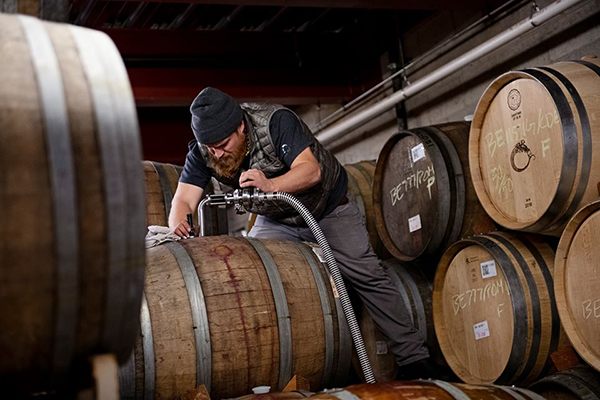
Oak barrels are a perfect vessel for secondary fermentation during winemaking because wood is porous. As wine sits inside the barrel, slow chemical changes are constantly occurring. The oak allows tiny amounts of oxygen to interact with the wine. Over time, this can help soften tannins and integrate the wine’s various components.
The oak also allows unpleasant volatile byproducts of the fermentation to leave the wine and exit through the porous wood. At the same time, a small amount of wine evaporates through the barrel. Winemakers traditionally call this evaporation the “angel’s share.” In response, winemakers will top off the barrel with wine from another barrel to limit oxygen gaps between the wood and wine that might otherwise encourage bacterial growth or other spoilage.
Over months of aging, these processes can create a wine with greater complexity, smoother tannins, and more integrated flavors.

How Long Does Wine Need to Stay in the Bottle?
The short answer: it depends.
Some wines are made to be enjoyed almost immediately. Fresh, fruity wines may taste best within months or a few years of release. Beaujolais is a perfect example. Other wines, particularly highly structured reds like Bordeaux, can benefit from many years of bottle aging.
Another reason wine connoisseurs tend to age their bottled wine portfolios is because bottling can temporarily disrupt the wine. After bottling, some wines experience a period of stress known as bottle shock in which aromas and flavors seem muted or out of balance.
Cue the dramatic scene in the the 2008 film “Bottle Shock” in which an exasperated Jim Barrett of Chateau Montelena believes all hope is lost for his California wine-making community when his meticulously crafted Chardonnay inexplicably turns brown (less common in practice) and flavorless after bottling, only to clear up moments before the famous 1976 Judgment of Paris.
**Spoiler Alert: Based on a true story, Chateau Montelena goes on to win this momentous competition and gained international recognition and praise for American winemakers and producers for the first time.**
The important thing to remember is that older does not automatically mean better. Wine has a window when it tastes its best. This is often called a wine’s “peak.” That window depends on the grape variety, winemaking style, acidity, tannin, alcohol, and intended aging potential. Check with the producer or a sommelier to learn more about vintage peaks for your favorite bottles.
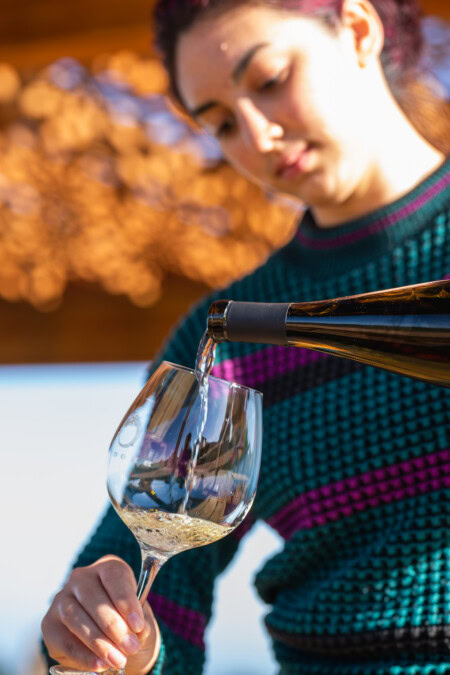
The fascinating thing about winemaking is that the process is not just about fermentation. Every decision can influence the final wine. Remember you are not just tasting grapes when you open a bottle. You are tasting the result of hundreds of small decisions made from vineyard to winery to bottle. Raise a glass to the many (many!) people who assisted along the way. Cheers!
Posted 8/30/2026
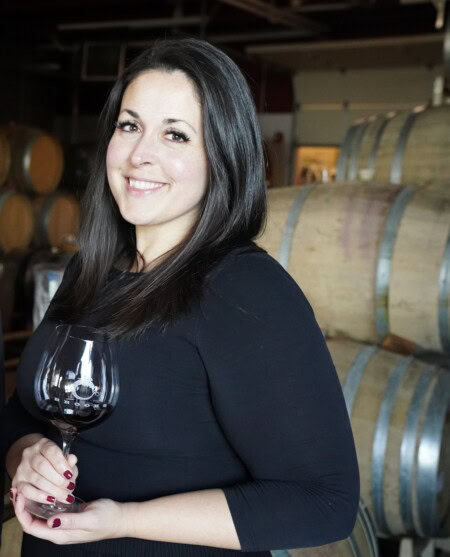
April Abate is a wine educator who loves helping people feel confident about what is in their glass. She is a Certified Specialist of Wine through the Society of Wine Educators and a Certified Executive Sommelier with the International Wine and Spirits Guild. With a diverse background in microbiology, education, hospitality, and sales, April brings science, clarity, and heart to her discussions about wine. Her goal is simple: to make wine more approachable by helping tasters understand not just what they like, but why they like it. For the past seven years, April has been part of the team at Brooks Wine in Oregon’s renowned Willamette Valley, sharing her passion for wines that tell a story of place and purpose. Drafting and refinement were supported by digital assistant.