
Quick Facts:
- Look beyond famous wine brands to avoid paying extra for reputation rather than quality.
- Explore lesser-known wine regions and producers that often offer exceptional wines at more affordable prices.
- Prioritize value over label recognition by trying new regions, grape varieties, and independent wineries.
For many wine lovers, balancing a passion for good wine with a tight budget can feel like a challenge. It is easy to assume that the best wines are the most expensive or that famous producers automatically offer the highest quality. In reality, some of the best values in wine come from looking beyond the household names.
Understanding how to identify value can help you enjoy better bottles while spending less. Read on for a few tried-and-true tips to find affordable wine you will love.
Why does brand recognition tend to costs more?
Well-known wine brands and prestigious regions have earned their reputations over decades (or even centuries). Burgundy, Barolo, Champagne, Napa…we are looking at you. Their popularity creates demand, and demand drives prices higher. Economics 101 in practice.
While many famous wines deserve their acclaim, consumers often pay a premium for the name on the label rather than a significant increase in quality. This is especially true for wines from highly publicized regions. As these areas become more sought after, land values, production costs, and market demand all contribute to higher bottle prices.
For budget-conscious shoppers, that means a large portion of the purchase price may be tied to reputation rather than what is actually in the glass.
Tip #1 – Explore Lesser-Known Wine Regions
One of the smartest ways to find value is to look for wines from regions that receive less attention from mainstream consumers. These areas frequently produce excellent wines using the same grape varieties and winemaking techniques found in more famous regions.
Instead of focusing exclusively on celebrated regions that come with premium prices, consider neighboring areas with similar climates and soils. Winemakers in these regions often work just as diligently but have not yet achieved the same level of international recognition. As a result, their wines can offer exceptional quality at a fraction of the cost.
Consider the examples given above for more affordable wine options:
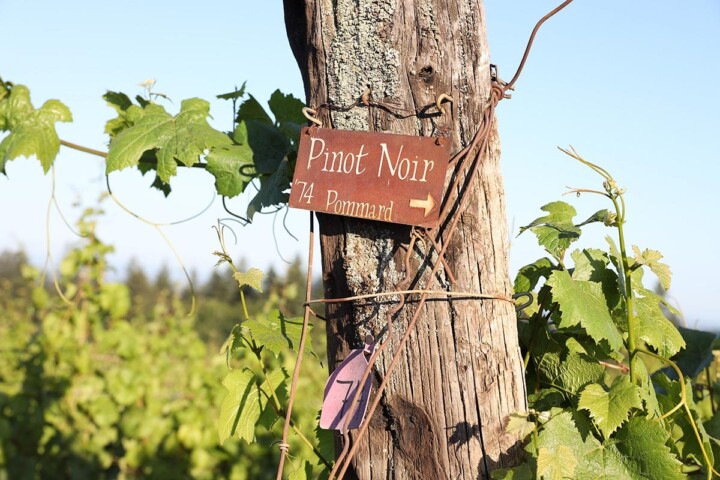
- Love the earth-driven Pinot Noir and minerality of Chardonnay encouraged from the cooler climate of Burgundy, France? Willamette Valley in Oregon, USA shares the same 45th parallel and produces world-class Pinot Noir and Chardonnay with exceptional balance.
- Barolo, Italy is celebrated for the Nebbiolo grape, delivering high tannins, high acidity, and complex aromas. Instead, look for “Langhe Nebbiolo” from the exact same region. Wines with this label use grapes from either younger vines or areas outside the Barolo boundaries for a similar tasting experience.
- A stunning alternative to sparkling wines produced in Champagne, France are options from Franciacorta, Italy. Both regions apply the exact same traditional method and grape varieties, offering luxurious texture and complexity.
- Napa Valley, California earned its reputation for rich, velvety Cabernet Sauvignon. Another American region producing exceptional Cab with structure and lush fruit is Columbia Valley in the eastern half of Washington state.
These less traditional regions are often where adventurous wine drinkers discover their favorite bottles. Since they are less driven by prestige, prices tend to remain accessible while quality is undeniable.

Tip #2 – Seek Out Smaller Producers for Affordable Wine
Large brands have massive marketing budgets, extensive national (or even international) distribution networks, and significant overhead costs. Smaller wineries, on the other hand, often devote more of their resources directly to vineyard management and winemaking.
Family-owned estates and independent producers can offer remarkable value because they rely more on the quality of their wines than on widespread brand recognition. Many produce limited quantities with a strong focus on craftsmanship, which gives consumers access to wines that overdeliver for their price point.
A great example is Brooks Wine in Oregon’s Willamette Valley. The family-owned winery is known for its commitment to sustainable farming and expressive Biodynamic wines, especially its impressive portfolio of 30+ single-vineyard Pinot Noir and Old World-style Riesling. Brooks has built a strong reputation among wine enthusiasts without relying on the massive marketing budgets of larger wine brands.
When shopping, ask a wine attendant for recommendations from smaller producers. Staff members are often eager to introduce customers to hidden gems that may not appear on every store shelf.
Tip #3 – Let Curiosity Guide Your Purchases
One of the biggest barriers to finding affordable wine with true value is the tendency to buy the same labels repeatedly. Familiarity feels safe, especially when spending money. However, sticking exclusively to well-known brands can limit both your experiences and your budget.
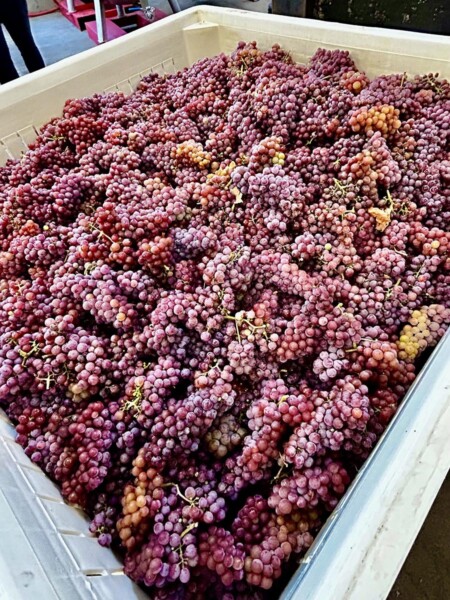
Instead, consider setting aside a portion of your wine budget for experimentation. Try a grape variety you have never tasted before or select a bottle from a region you know little about. Even if every selection is not a perfect match for your palate, the tasting experience can be rewarding.
Many experienced wine enthusiasts will tell you that some of their most memorable bottles came from producers they had never heard of before. With over 10,000 wine grapes grown throughout the world, new discoveries are endless.
Finding great wine on a budget should never require sacrificing quality. In fact, some of the best values in the wine world come from regions and producers that simply have not yet become household names. The next time you are standing in front of a wall of bottles, remember that the most expensive or recognizable label is not a guarantee and it is certainly not the only choice. Branch out and surprise yourself. Cheers!
6/21/2026
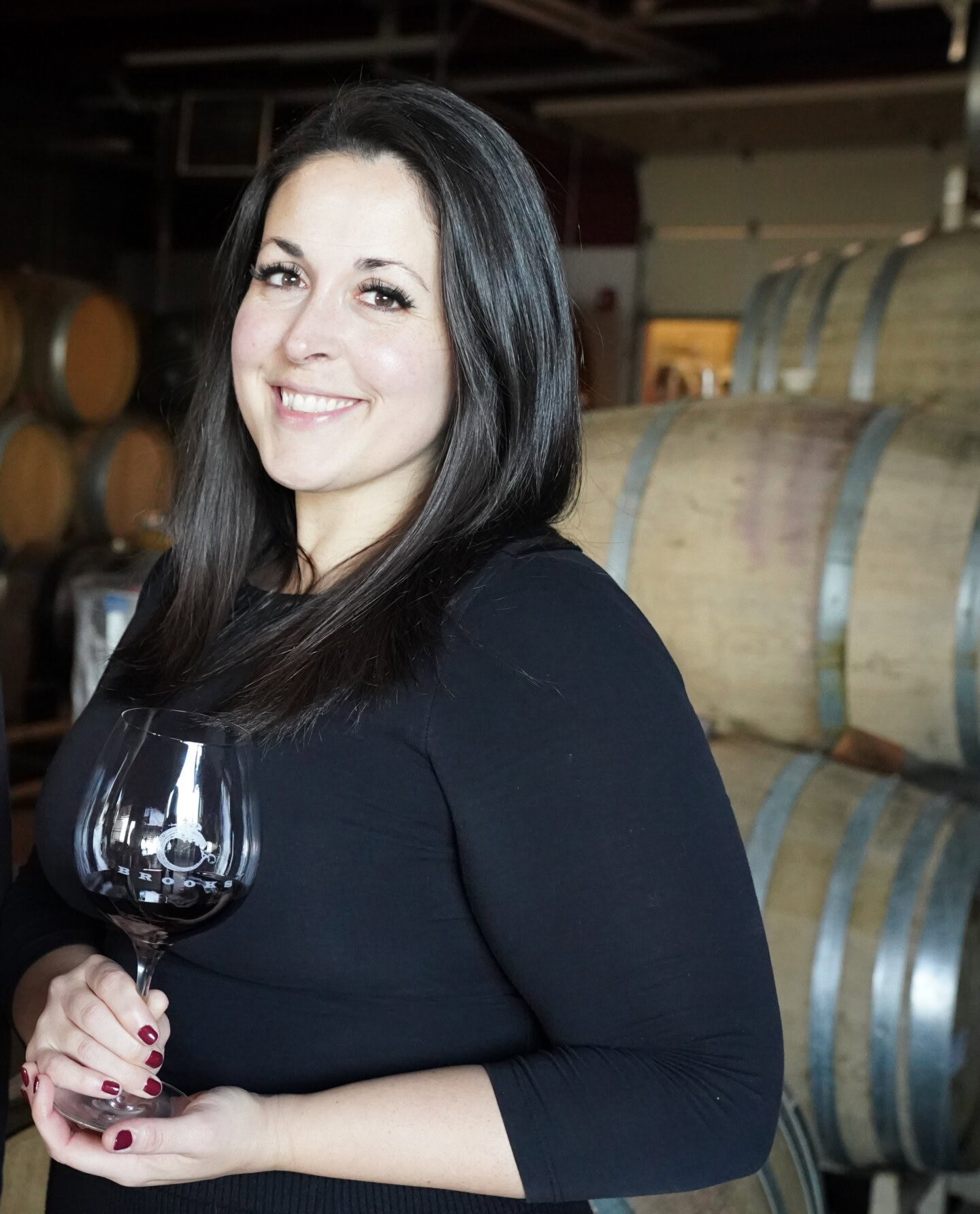
April Abate is a wine educator who loves helping people feel confident about what is in their glass. She is a Certified Specialist of Wine through the Society of Wine Educators and a Certified Executive Sommelier with the International Wine and Spirits Guild. With a diverse background in microbiology, education, hospitality, and sales, April brings science, clarity, and heart to her discussions about wine. Her goal is simple: to make wine more approachable by helping tasters understand not just what they like, but why they like it. For the past seven years, April has been part of the team at Brooks Wine in Oregon’s renowned Willamette Valley, sharing her passion for wines that tell a story of place and purpose. Drafting and refinement were supported by digital assistant software.