“I need to pause for a while. A garden should evolve, it’s a continuing conversation, like a painting, rather than engineering a machine to the precision of a plan. Living things are wobbly, and one thing in the garden changes everything around.”
-Marc Hamer, Spring Rain: A Life Lived in Gardens
These long summer evenings, with golden hours that stretch late into dusk have been an invitation to visit the gardens of friends. Each time I walk into these spaces, I leave inspired by planting combinations, trellis styles, and an appreciation for the imperfections of others’ spaces that remind me of my own. I love to ask how old plants are, to hear the story of how a particular garden bed was started, and what the space looked like when it began.
It was during a twilight conversation in a friend’s garden, mosquitos nipping at our necks and that quiet hush which descends during dusk, that we came to the end of the tour. I was left in awe at the ten years of work, of one gardener in a single space. In that silence, she shrugged, saying as if in summary for it all, “ I can’t make sense of the garden anymore. It had formed into its own thing.” Another longtime gardener, a friend, whispered back, “That’s how it’s supposed to be. That’s the magic of it.”
I thought about those words in my own garden this morning. Walking the paths, I remembered the younger version of myself. She came into this space with so many ideas, and with them, she shifted a garden around herself. Early on, I was determined to remove clashing color patterns. I kept to the adage that yellows and reds never go together, and that hot pink should be used with restraint. I diligently followed the rules of respected gardeners who said that single plantings in a garden border were forbidden. Instead I planted in the matrix style that was advocated for by mainstream designers with multiples of plants, only in odd numbers. With these rules held firmly in my head, I went about sculpting a garden, determined that I knew what was right.
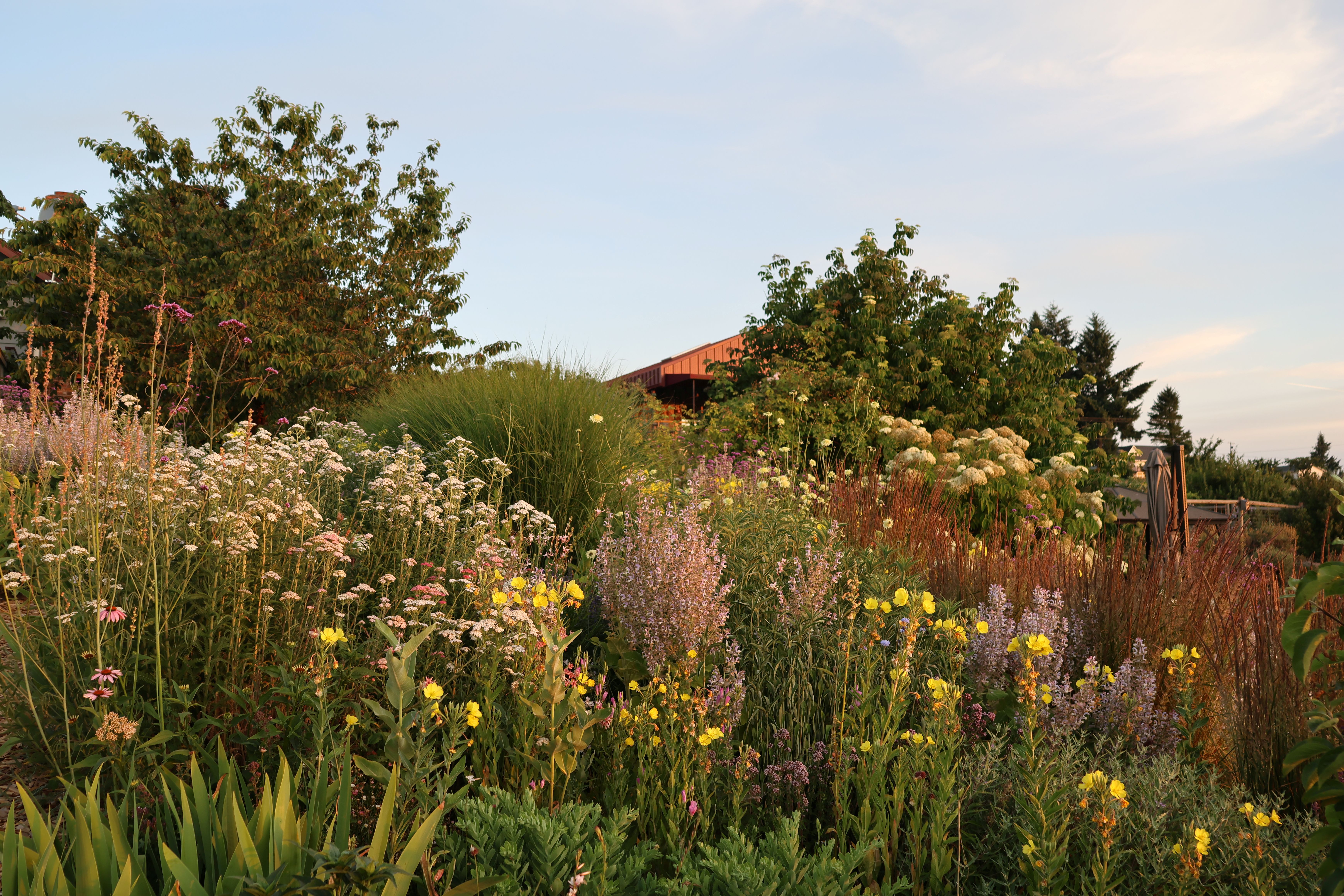
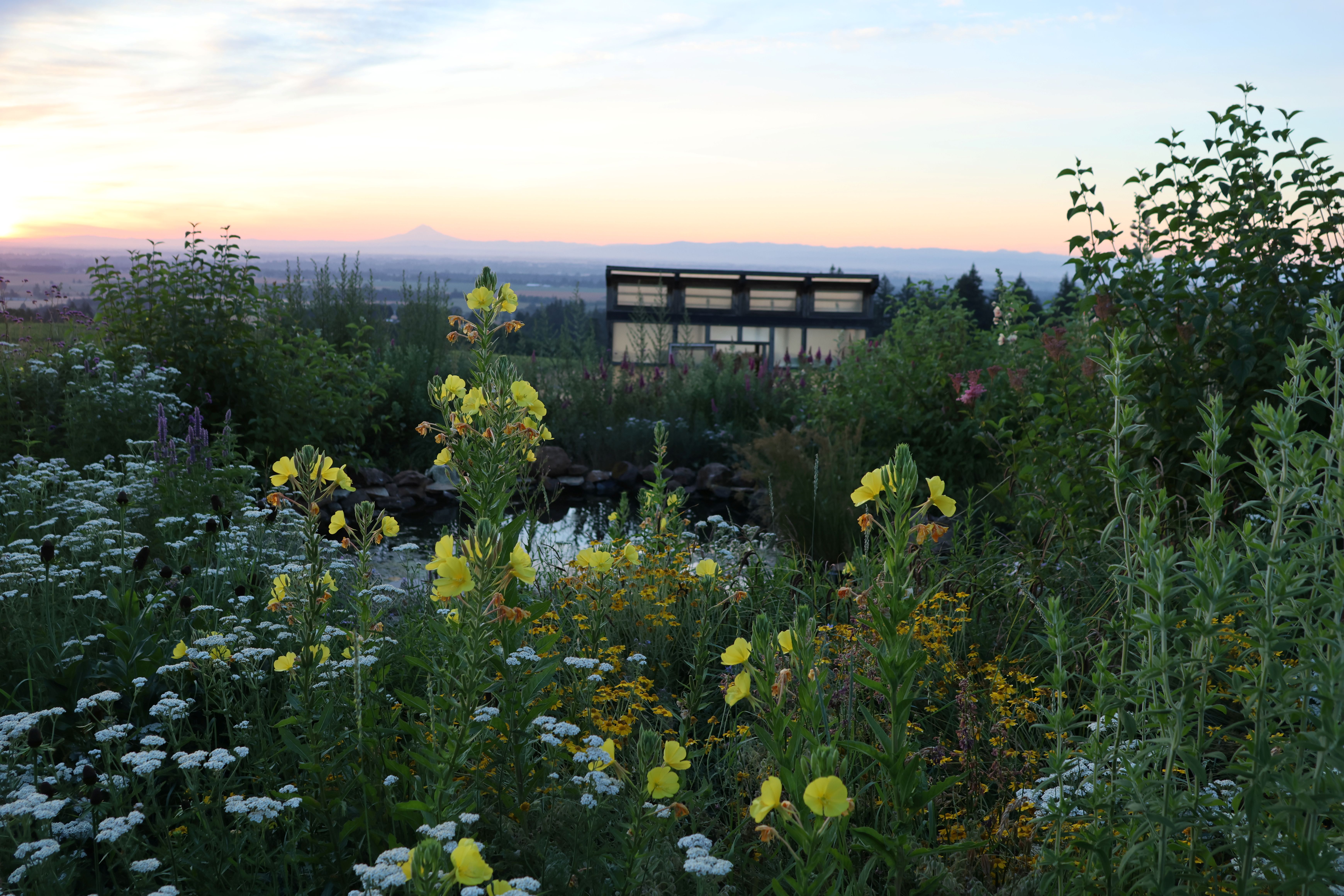
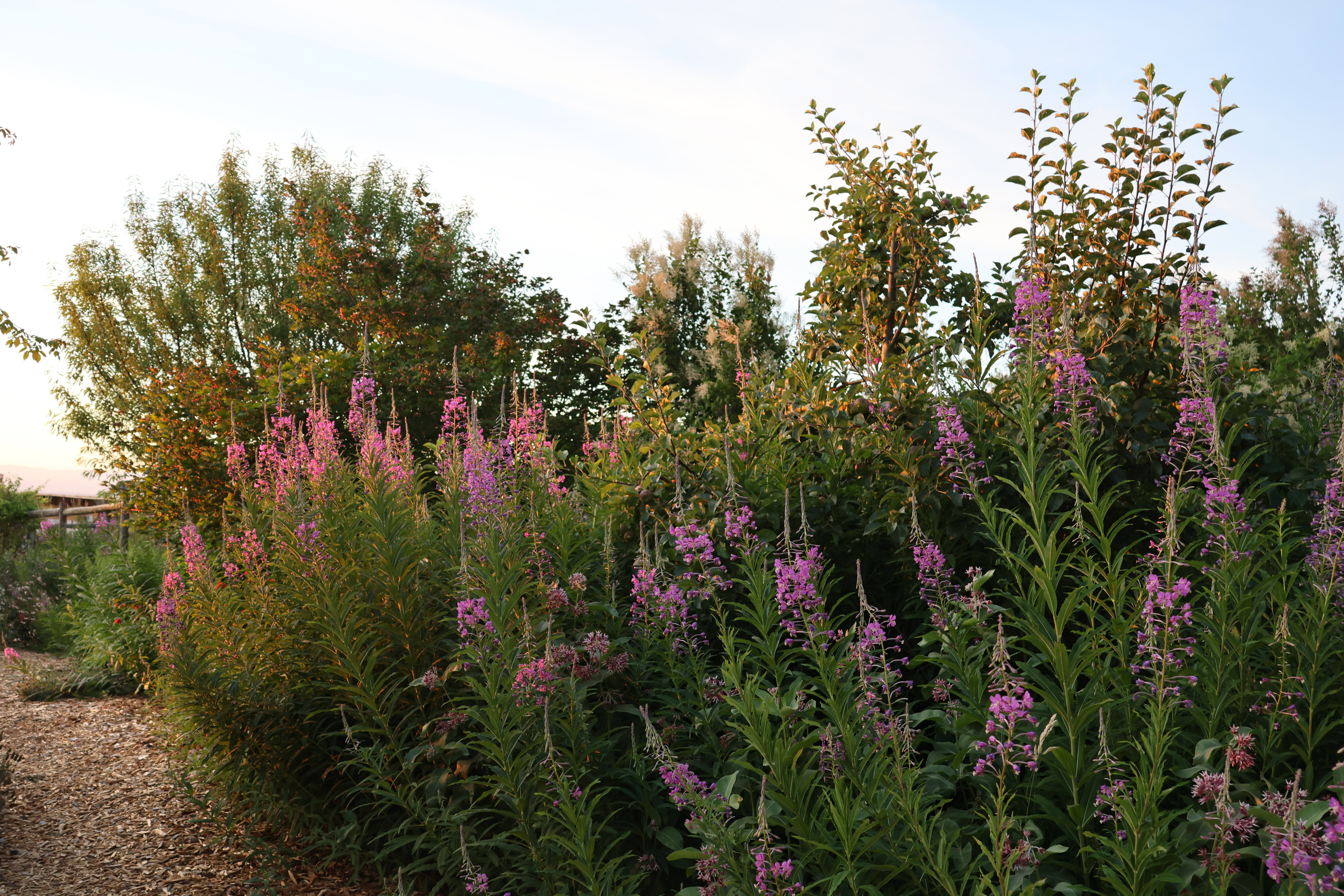
In the five years I have been in this garden, what was here before me has continued to quietly grow, despite my trying to dictate where and how it grows. Fireweed consumes much of the garden beds with a ferocity and determination that leaves me stunned and unwilling to pull it. Yarrow appears in every corner with a persistence that silences any attempts to quiet it. Alongside this, the columbine continues to self-seed with zealous indifference to the fact that I have long decided we have quite enough of it, and any more is really just too much.
In the spaces of the garden that I started from scratch, I can see a shadow of what I intended. The rose spirea hedge that forms the backdrop to the pond is growing uniformly. However, unexpectedly, a verbena pops out within it, having seeded itself joyously in the flanks of the plants, perfectly indifferent to the fact that purples and hot pinks do not go together. Despite the mismatch, it somehow works, so I leave that oddball there for the swallowtail butterfly that loves the blooms.
It’s funny how in gardening we think we are steering the ship. Somehow along the way, the garden begins to take control, and for those humble enough to listen, we simply follow its lead. I thought I was creating this garden, I had a direction and a mind of what it should be. Instead, I now sheepishly do my best to keep the path walkable and let the garden guide me. So often, the plants are telling us something about the spaces where they grow. The native twinberry that self-seeds shows me the wetter, slower-draining areas. Clary sage crops up in those areas of soil that are dry and exposed to full sun. I like to think the yarrow is there to protect the garden, its strong volatile aromas defending the space from pests.
Looking down at the garden from above, I can’t help but agree that trying to make sense of the space will only confound you. There is no order, but I think the wildness is what calls certain people to this garden, such wild spaces are so rare in this world. We are all told to conform to ways of looking and acting. Maybe for once we can let that native self-heal take over a corner. Perhaps it will inspire us to let our own hair down, to stop looking for perfection in ourselves and our orderly lives. Instead of shaping the garden, what if we let it shape us? What if we released ourselves to the wildest parts of our souls, those corners of ourselves we have long weeded and mowed into a form that society finds acceptable? Maybe we can all learn something from fireweed.
With Love from The Garden,
Shannon
P.S. A special note that none of the garden “clean up” involves cutting back the garden beds. All the stems and debris of the garden remain standing in the garden borders until March. This allows invertebrates and wildlife to have habitat and nourishment through the winter months.
Farm to Table
Our tasting room menu this month features a tasting menu that highlights ingredients grown in our very own estate garden and sourced directly from local producers.