“A garden is like the self. It has so many layers and winding paths, real or imagined, that it can never be known, completely, even by the most inanimate of friends.”
-Anne Raver, Deep in the Green
There is a lightness to springtime. Despite the busyness of tending to honeybees, weeds, and vegetable starts, I feel a sense of ease. Watching the sunrise over the garden, I go about my work with the feeling that maybe everything will be okay. For a moment, I truly believe it. The frogs sing to the rising sun, and the robins respond in turn with that simple, three-part tune that captures the essence of spring in a single sound.
All around me, the garden beds turn green. It is strange how we blink this time of year and suddenly find the soil lush with growth we somehow missed along the way. When spring arrives, I become a different human: wilder, ecstatic with joy, and filled with wonder over something as simple as the imperceptible daily shifting of a bit of green.
I think this euphoria stems from the feeling of being needed—the sense that my work in the garden is important, so I had better get to the business of weeding. On a grand scale, this one garden in this one place may not seem vital, but it is deeply important to the wildlife inhabiting it. One only has to ask the frogs and songbirds who call this space home.
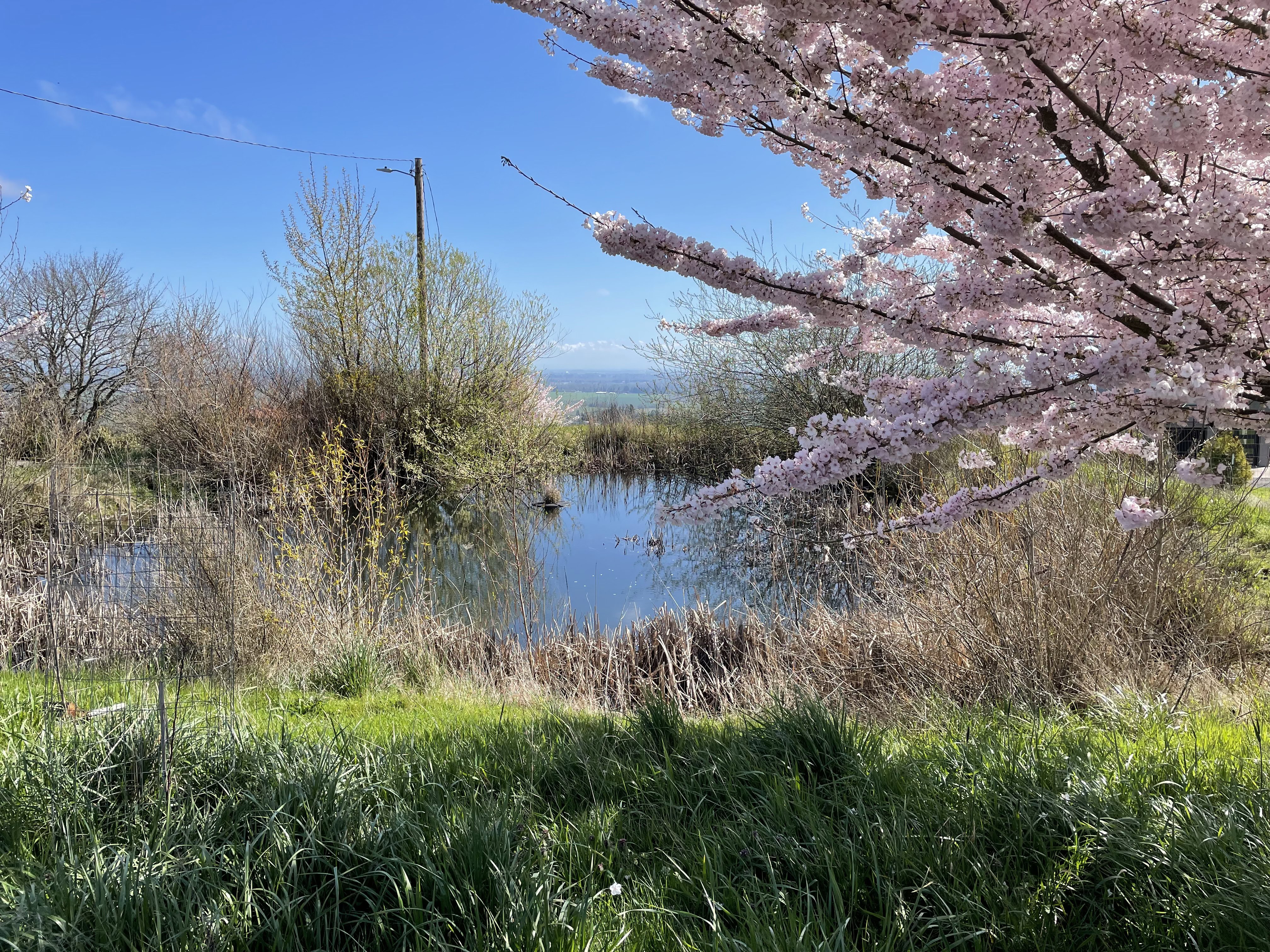

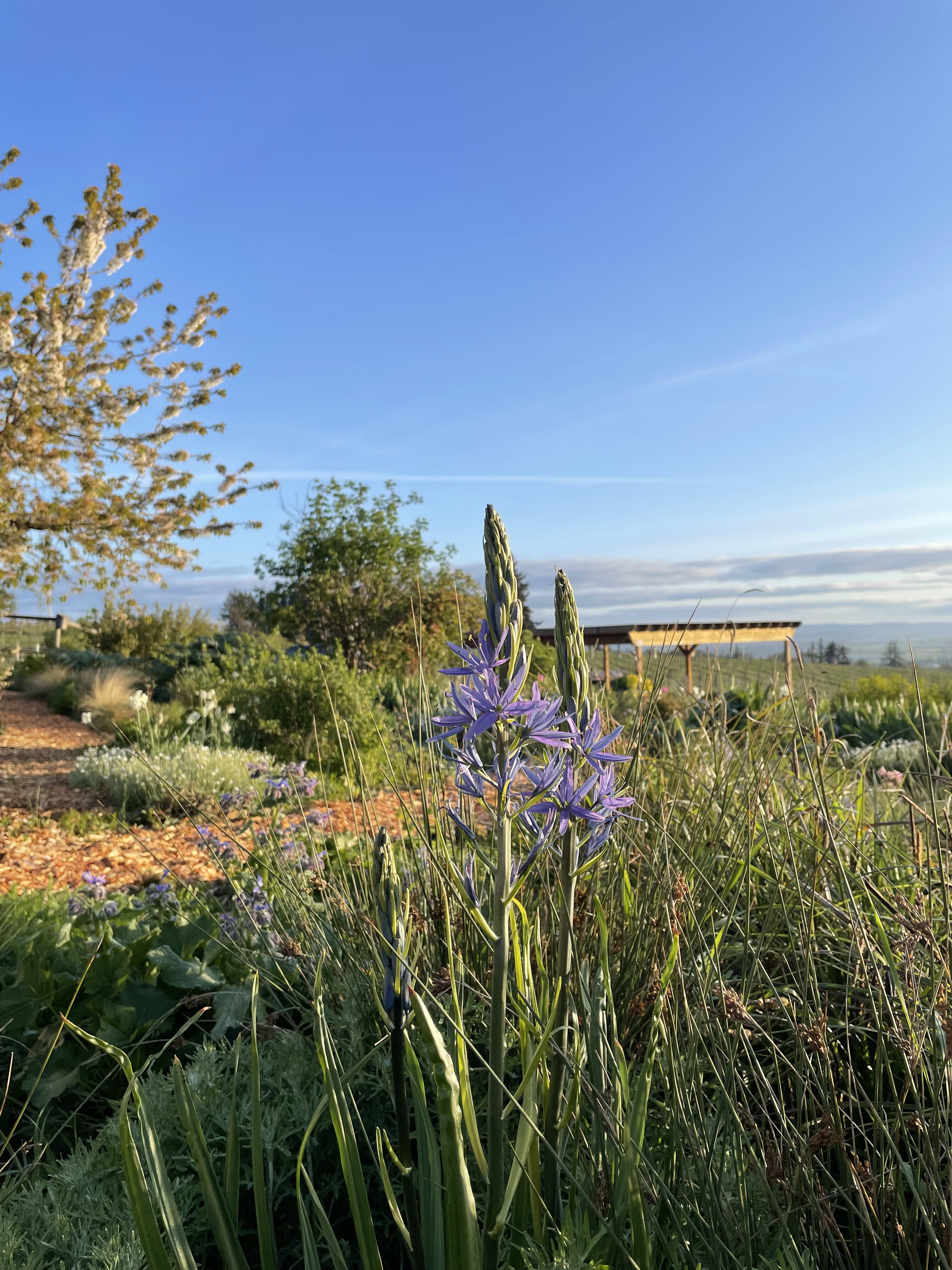
This raises the question: How do we even begin to define a garden? Providing a succinct answer would be impossible for me, as gardens are woven into the very fabric of my daily life. They offer hope for a world we can do right by—spaces where we are reminded that we are part of nature, not separate from it. In my gardens, I learn the value of generosity and the necessity of reciprocating for all I take. Gardens are teachers of patience; they continuously remind us of the passage of time and the importance of staying present.
Gardens provide a sense of place. They become the way we define “home,” rather than merely a space we attempt to categorize. I cannot imagine my own home without the climbing rose clambering over the front porch, or the joyful apple tree with its arms outstretched in the yard. It is a home I share with others: the chickadee in the bird box and the scrub jays coyly searching for last year’s cache along the rock borders. I like to imagine how they would define this garden, this home of theirs. They have as much right to define this space as I do—perhaps even more.
What I love about gardens is that everyone tends them in their own unique way. How and when I sow my tomatoes will differ from how you sow yours. Likewise, our definitions of what a garden is are beautifully diverse. For my neighbor, a garden may be defined by the daily harvest of cut flowers; for another, it is the abundance of a vegetable plot. Rather than being contradictory, this diversity creates richness, much like layers of resilience in an ecosystem. The act of gardening is made stronger by the many ways we find value within it. At the end of the day, that is the true reason for the work: the pure, simple joy of it.
With Love from The Garden,
Shannon
P.S. A special note that none of the garden “clean up” involves cutting back the garden beds. All the stems and debris of the garden remain standing in the garden borders until March. This allows invertebrates and wildlife to have habitat and nourishment through the winter months.
Farm to Table
Our tasting room menu this month features a tasting menu that highlights ingredients grown in our very own estate garden and sourced directly from local producers.