
- Most wines are made to be enjoyed young, but learning which bottles truly improve with age can help collectors avoid disappointment and wasted money.
- Structure matters more than price: acidity, tannin, sugar, alcohol balance, and producer style are the biggest indicators of wine aging potential.
- Smart wine collectors know that pleasure comes first, so they blend curiosity, proper storage, and approachable experimentation rather than applying strict “age everything” rules.
Wine lovers often hear that “great wine gets better with age.” While that can be true, it also create frustration and unnecessary anxiety when misjudging a wine’s aging potential. Some bottles fade before they ever become interesting, while others are opened years too early. The result is disappointment, wasted money, and a cellar full of uncertainty.
The good news is that understanding wine aging does not require becoming a master sommelier or building a cave beneath your home. With a few practical guidelines, wine enthusiasts can make smarter buying decisions, enjoy more bottles at their peak, and maintain a collection that feels exciting rather than intimidating.
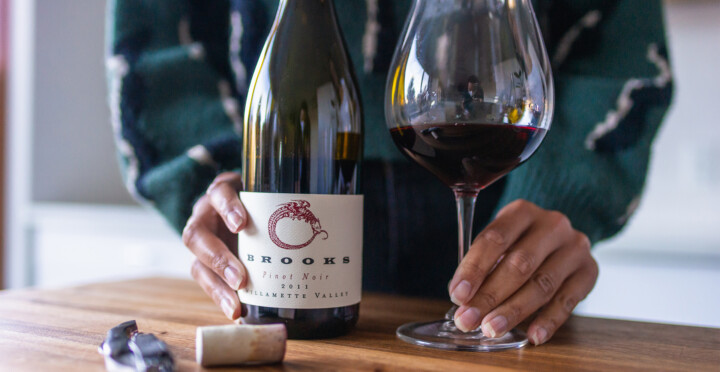
Why Wine Aging Is So Tricky
One of the biggest myths in wine culture is that all expensive wine should age. In reality, the majority of wines sold globally are designed for immediate drinking (i.e., within one to five years of release).
Many consumers assume that putting wine away automatically improves it. However, aging only benefits wines with enough structure to evolve positively over time. Without the right elements, wine aging risks faded fruit profiles, diminished freshness, and a tasting experience that is holistically dull rather than refined.
Another source of confusion is that aging potential varies dramatically by producer, vintage, region, and winemaking style. Depending on those factors, two bottles made from the same grape will evolve completely differently.
5 Indicators of Wine Aging Potential
1 – Acidity
Acidity acts like the backbone of a wine. Wines with higher acidity generally age more gracefully because freshness preserves flavor development over time. (Think about the long shelf life of picked vegetables and condiments.)
When tasting a young wine, bright acidity often feels lively, or energetic. That freshness can carry a wine forward for years.
Classic high-acid wines include:
- Riesling
- Nebbiolo
- Sangiovese
- Champagne
- Sauvignon Blanc (especially those from cooler climate)
Pro Tip: When tasting a high-acid wine, your mouth will immediately produce an excess of saliva with the first sip, hence the reason so many wines with high acid are described as “mouthwatering.”
2 – Tannin
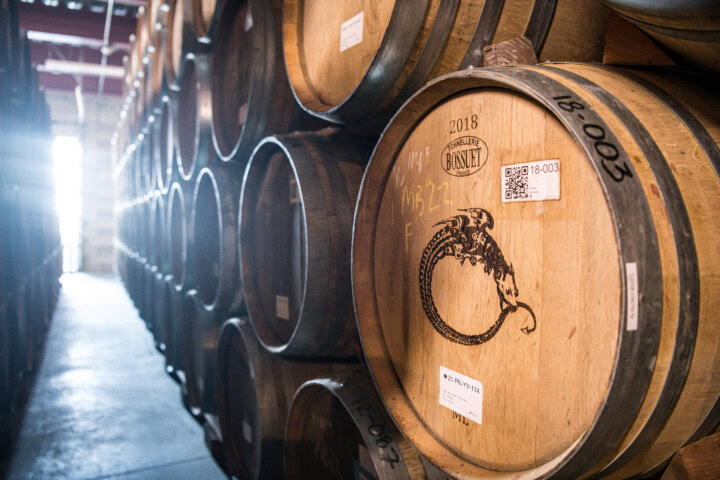
Tannins are compounds primarily found in red wines that create a drying sensation on the palate. They are naturally present in the skins, stems, and seeds of the grape and are also present in the wood used to age the wine. Strong yet balanced tannins act as natural preservatives during aging.
Young tannic wines may initially seem firm or even harsh. Over time, those tannins soften and integrate to create greater complexity.
Red wines known for aging potential often contain significant tannin structure, including:
- Cabernet Sauvignon
- Barolo
- Bordeaux blends
- Syrah
3 – Sugar
Sweet wines frequently age exceptionally well because sugar acts as a preservative. Some of the world’s longest-lived wines are sweet wines.
Examples include:
- Sauternes
- Tokaji
- Vintage Port
- Sweet Riesling
Pro Tip: Many collectors overlook dessert wines when considering wine aging, but they often provide outstanding value relative to their aging capability. Nothing ends a dinner party with more elegance than a superbly aged dessert wine paired with a treat that compliments the wine’s complex flavor profile. Try an aged late harvest Riesling alongside a caramelized apricot and toasted almond tart. Heaven.
4 – Balance
Balance is perhaps the most important factor of all. A wine with high alcohol, but low acidity, may feel heavy after aging. A wine with aggressive tannins, but little fruit, can become muted.
Age-worthy wines maintain harmony among fruit, acidity, tannin, alcohol, and texture.
If a wine tastes fairly balanced and complete when young, there is a stronger chance it will evolve very well.
5 – Producer Style
Skilled producers understand how to craft wines for longevity. Wine aging can significantly vary based on the producer’s style. Researching winery style can provide valuable clues.
Some wineries intentionally produce approachable wines for early enjoyment. These wines will have characteristics such as softer tannins, bright fruit flavors, lower oak influence, earlier harvests, and shorter aging before release.
- Beaujolais
- Sauvignon Blanc (especially from New Zealand)
- Steel fermented Chardonnay
- Pinot Gris/Grigio
- Rosé
- Prosecco
- Cava
- Modern Rioja (versus traditional Rioja)
Other wineries build wines specifically for extended cellaring. As discussed above, wines intended for aging will have higher acidity and established tannins. They will also have concentrated fruit profiles with greater extraction and structure. Most age-worthy reds have intentional oak integration and longer élevage (i.e., barrel/cellar aging) before release.Fortified wines are also intended to age well.
- Bordeaux
- Borola
- Riesling
- Traditional-method sparkling wines
- Traditional Rioja (“Crianza,” “Reserva,” or “Gran Reserva”)
- Port
- Madeira
- Marsala
- Vermouth

Common Wine Aging Mistakes
Saving wines that should be enjoyed young
Fresh, fruit-forward wines often deliver their best qualities immediately and lose charm after extended storage. These wines tend to be available at lower price points.
Pro Tip: If a wine emphasizes juicy fruit rather than structure (i.e., noticeable balance of acidity, tannins, alcohol, and extracted flavors), it is usually best enjoyed sooner rather than later.
Waiting too long
Collectors sometimes become so focused on preserving bottles that they miss the ideal drinking window entirely. Wine is ultimately made for enjoyment and not for permanent storage. Opening bottles periodically allows collectors to learn how wines evolve and refine future purchasing decisions.
Tools such as a Coravin wine-by-the-glass system can allow cellar tasting by removing a small amount of the wine from the bottle by piercing the cork with a needle rather than removing the cork entirely.
Pro Tip: If you choose to use this tool, it is recommended to sample every 6-12 months from the same bottle so the other identical bottles remain unbothered. Keep a log or use a chalk pen to mark the chosen bottle with the dates tasted so you can stay consistent.
Ignoring proper storage
Even excellent wines can deteriorate quickly if stored improperly. Not only does this result in disappointment, but it causes harm to your investment.
The most important storage factors are:
- Stable temperature (extreme heat is particularly damaging)
- Minimal light exposure
- Moderate humidity
- Limited vibration
The pursuit of perfect wine aging can sometimes overshadow the simple pleasure of sharing and drinking wine. Not every bottle needs to become a long-term collectible masterpiece. Some wines are meant for spontaneous dinners, celebrations with friends, or quiet evenings at home. Focus on structure, balance, storage, and pursuing your personal preferences. This will allow you to avoid common aging mistakes while building a collection that remains exciting, approachable, and rewarding for years to come.
5/12/2026
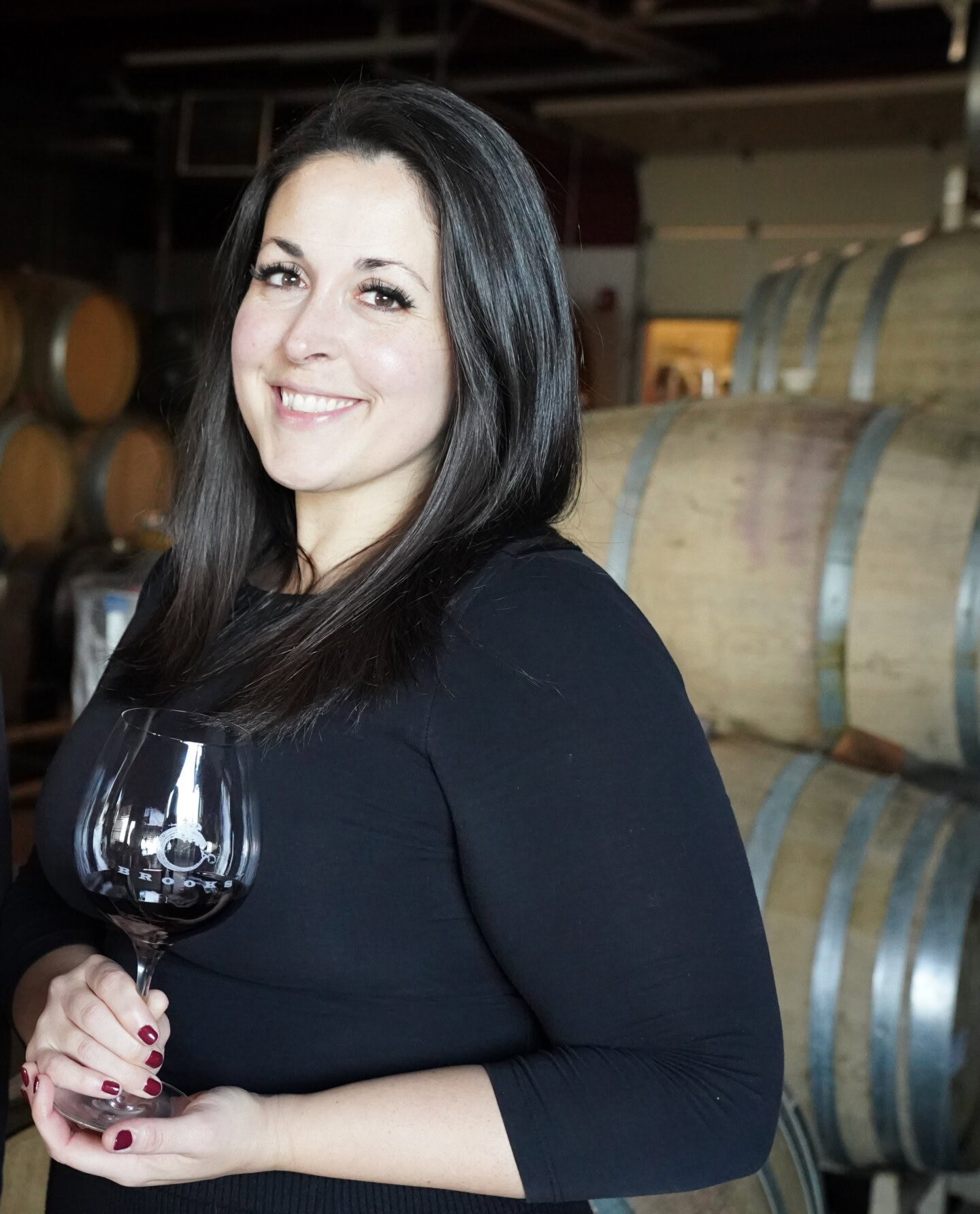
April Abate is a wine educator who loves helping people feel confident about what is in their glass. She is a Certified Specialist of Wine through the Society of Wine Educators and a Certified Executive Sommelier with the International Wine and Spirits Guild. With a diverse background in microbiology, education, hospitality, and sales, April brings science, clarity, and heart to her discussions about wine. Her goal is simple: to make wine more approachable by helping tasters understand not just what they like, but why they like it. For the past seven years, April has been part of the team at Brooks Wine in Oregon’s renowned Willamette Valley, sharing her passion for wines that tell a story of place and purpose. Drafting and refinement were supported by digital assistant software.