
“Gardening was a subtle process of give and take with the landscape, a search for some middle ground between culture and nature.”
-Michael Pollan, Second Nature: A Gardener’s Education
There is a distinct shift in the garden in spring. A smell emits from the soil—geosmin, a volatile chemical produced by soil-dwelling bacteria and fungi. This chemical signal jolts me out of my winter daydreams; it’s a signal that the earth is warming. It’s a promise of growth and of belonging. We are part of nature, not separate, and this smell is a signal to our bodies that food will soon be on its way. As late spring comes and the tulips give way to lupine and lilac blossoms, the vegetable beds seem more inviting each day. Over winter, my beds slowly become compacted by the rain of the Pacific Northwest. The straw from the chicken coop that I have lovingly layered over the vegetable patch has long been scattered by the towhees, who rake through the debris in search of their own food. The winter crops have all been harvested; the only remains are a few radicchio leaves, slug-bitten and left in the row to break down.
However, with those first warm days of spring, I wake with a zeal I didn’t think I still possessed as wheelbarrow after wheelbarrow of compost is added to the vegetable beds. The beds take on a new appearance with each spade of fresh, black compost. The soil is fluffier, piled in neat rows or rectangular beds; they beckon for seeds and care, and I eagerly grant their demands. An old farmer once told me that the soil is not ready for direct sowing until it is warm to our bare fingers. It took me years to understand this lesson—to not go out at the beginning of March and attempt to sow snap peas just because my planting calendar says I can. I’ve learned to wait until the act of sowing is a pleasure, when the soil is warm enough for my fingers that I don’t rush through the task to warm my hands. Some years this means I sow my snap peas in late March; other years won’t find me until April, folding those wrinkled pea seeds into the freshened vegetable beds.
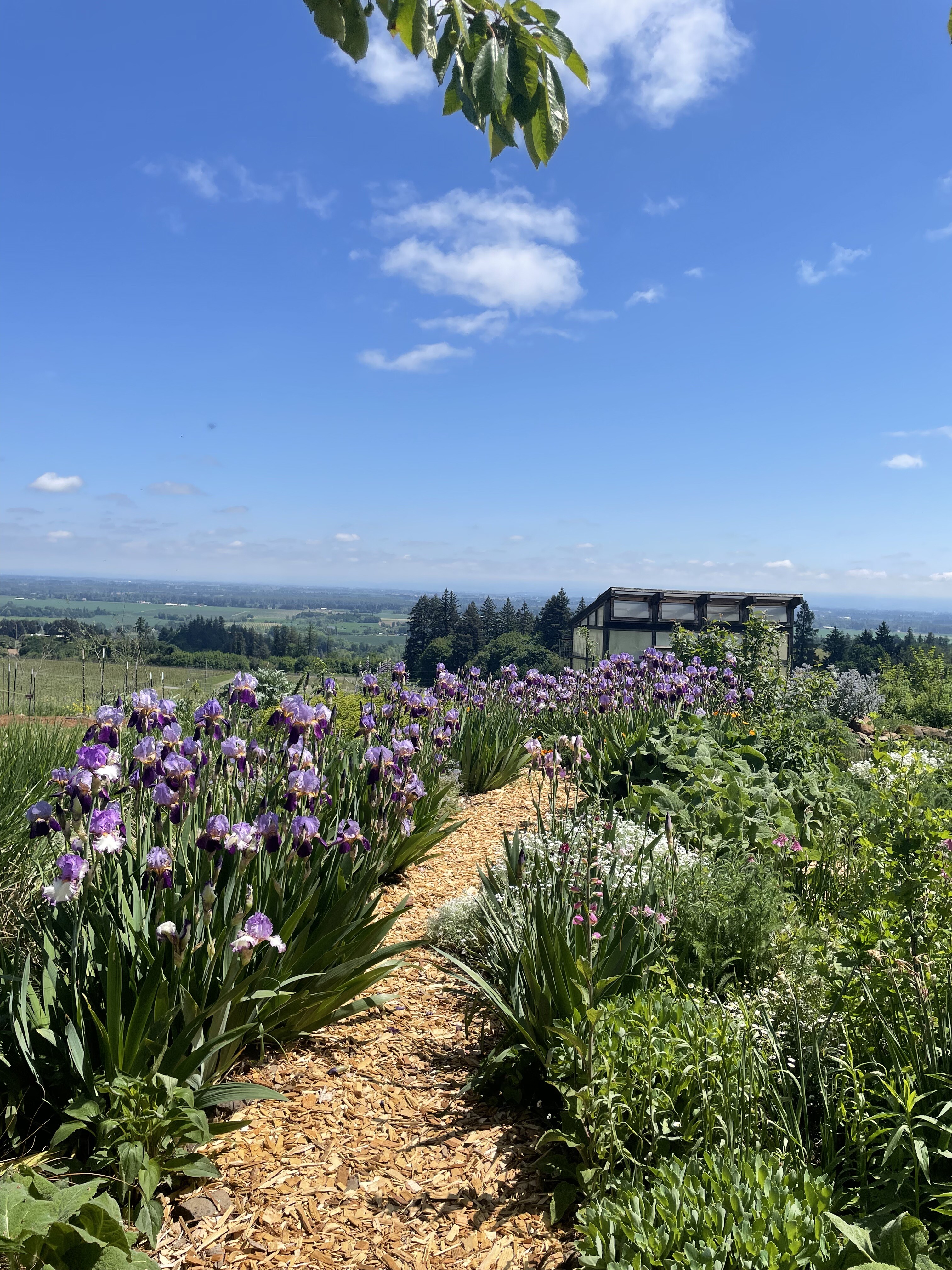
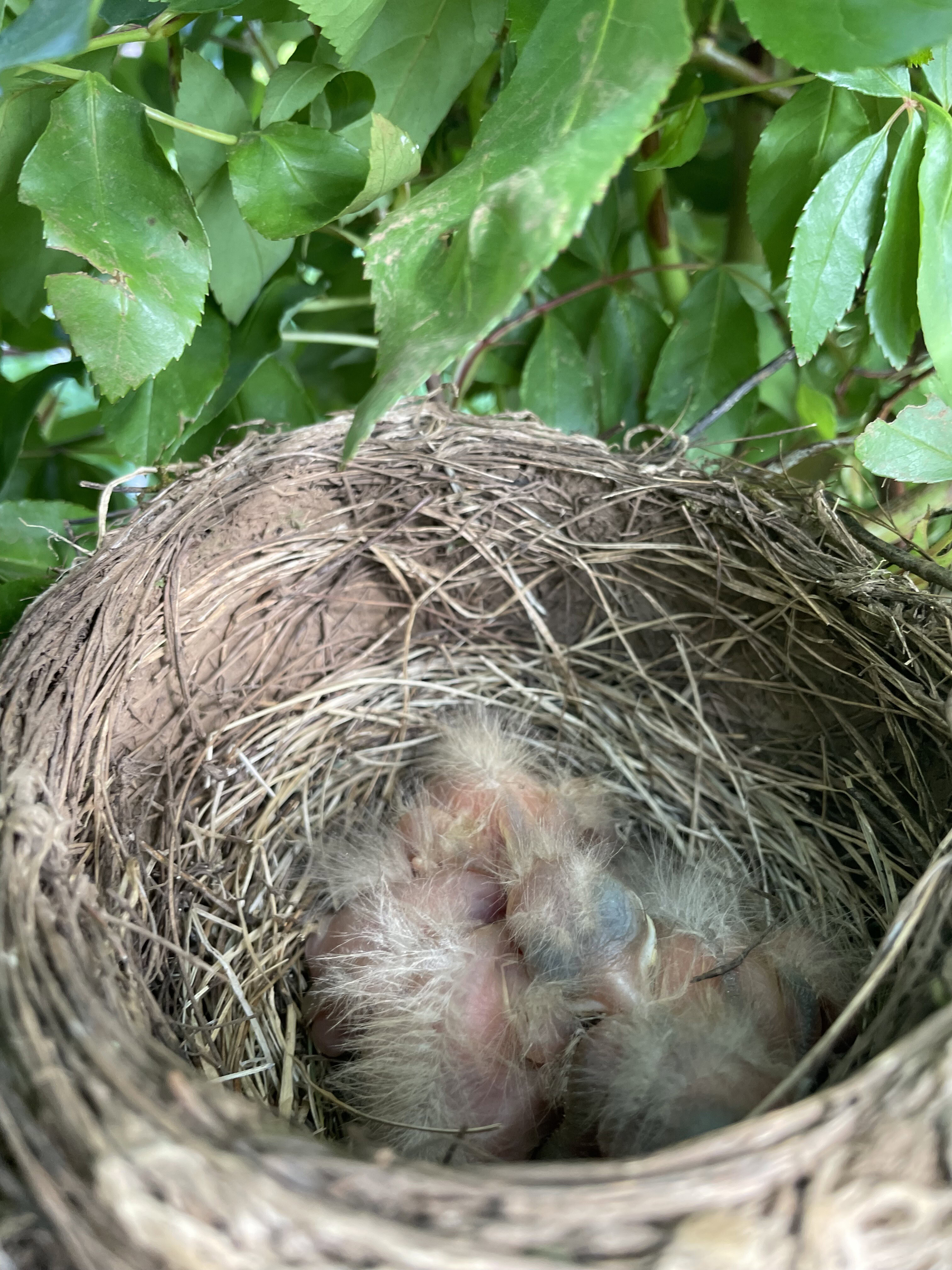
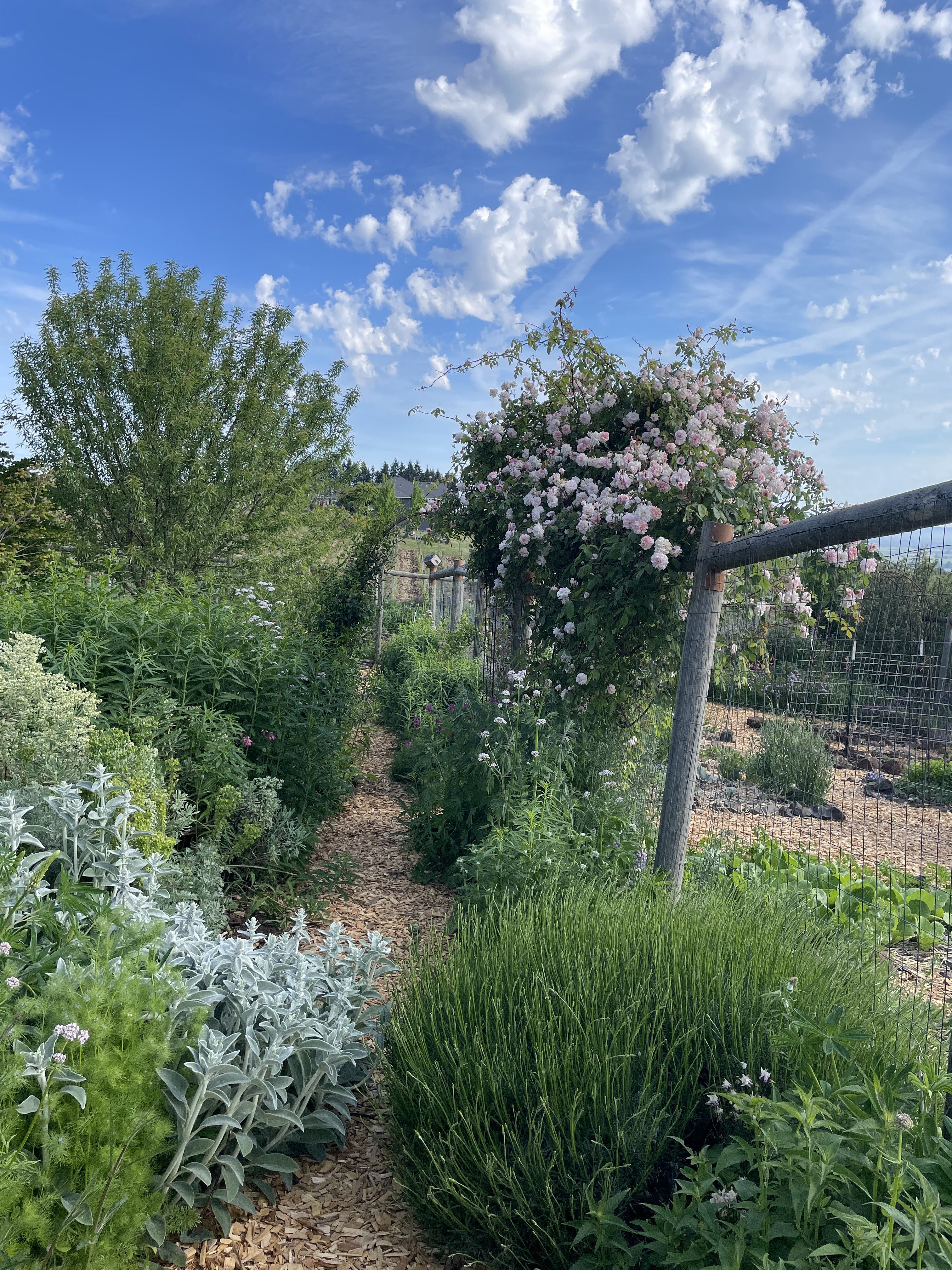
Waiting for the first spring harvest is not a task for the faint of heart. Gardeners start seeds in the depths of winter, patiently waiting for the time when we can transplant these delicate seedlings outdoors. Even then, the wait continues for months, with the first harvest of fava beans and snap peas often not arriving until June. It begs the question: Why do we do this to ourselves? How is it that gardeners can patiently await the harvest for so many months? This level of patience seems even more impressive given how quickly our needs and wants are fulfilled in this modern era. A tap of a button can bring us food within minutes. Yet despite this, I can still be found out in a deluge of rain in April, carefully staking the snap peas that are still weeks away from the first harvest.
For some gardeners, the answer is flavor; others say it’s to save money or reduce their carbon footprint. I’m more interested in the intangible quality of it. Growing my own food keeps me close to the humbling truth that we are part of nature. The food I eat is at the whims and seasons of the year. It reminds me of the generosity of plants—one cannot help but be overwhelmed by the gifts of a single tomato plant.
Having a garden warrants sharing; how much sweeter are the raspberries picked with friends? I feel a glow when picking produce from my garden. A basket laden with my own garden-grown vegetables gives a feeling of security and safety: we can take care of ourselves. Alongside this is a feeling that the earth will take care of us, too. We just need to be willing to take care of her in turn.
The patience of gardening is a daily reminder of reciprocity. For all the generosity that this earth gives, it will not continue to provide fruit and vegetables without mutual care. So we show up with compost, water, and a willingness to learn from nature. We stoop to our knees in the garden and weed. How humbling this very act is—an action so similar to bowing. We bow before the earth in weeding our soils. We learn to surrender. We learn to watch for that first harvest and celebrate with the community when that time comes. We learn to rest, and let the land rest in turn. Until that smell of spring returns, and with it, a longing.
With Love from The Garden,
Shannon
P.S. A special note that none of the garden “clean up” involves cutting back the garden beds. All the stems and debris of the garden remain standing in the garden borders until March. This allows invertebrates and wildlife to have habitat and nourishment through the winter months.
Farm to Table
Our tasting room menu this month features a tasting menu that highlights ingredients grown in our very own estate garden and sourced directly from local producers.