- Old World labels emphasize region and producer while New World labels typically highlight grape variety and region.
- Regional classifications, vintage, and terms like “Old Vine” and “Reserve” offer clues about style, quality, and production.
- First learn trusted producers and regions, and then use personal tasting experience to choose wines that match your preferences.
Walking down the wine aisle can feel overwhelming. Bottle labels use industry-specific words, regional names, vintage dates, and quality terms that often seem designed for experts (and sometimes they are). Rest assured that you can learn how to decode these labels, too. Learning how to read a wine label is one of the fastest ways to become a more confident wine buyer.
Understanding common wine label terminology helps you identify quality, style, and value before you even pull the cork. It probably doesn’t hurt to brush up on frequently misused wine terms, too.
Start with Old World vs. New World Labels
A wine label on an Old World wine (i.e., primarily from Europe) typically emphasizes place. Place refers to the region in which the grapes were grown and the wine was produced.
Most Old World wine locations have very strict regulations dictating what can and cannot be grown and how it can and cannot be nurtured into wine. Therefore, the place indicated on the label tells you which of those strict regulations were followed. As you slowly learn the regulations guiding each Old World region, you will also gain knowledge of exactly what is in the bottle and how it has been cultivated, so you gain confidence knowing whether or not you will enjoy the wine before purchasing it.
For these reasons, Old World wines tend to be recognized by the producer and region on their labels rather than by the grape in the bottle.
- Bordeaux = A blend of Cabernet Sauvignon, Merlot, and Cabernet Franc
- Rioja = Tempranillo
- Chianti = Sangiovese
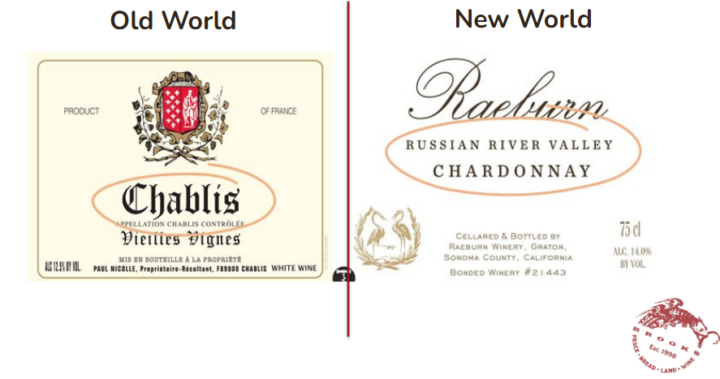
New World wines are from the United States, Australia, New Zealand, Chile, and Argentina. Wines from these locations usually have wine labels that specify the grape variety prominently on the label, which makes these labels easier for beginners.
While New World labels are easier to interpret, these wines come from wine producing regions with far less oversight and regulations and encourage experimentation. World-class and internationally celebrated bottles come from New World regions, but both the quality and contents of the product are less predictable than Old World wines when solely referencing the labels. As a consumer, more research and discussions are required to learn about each New World producer’s wine making style, ethos, and preferences.
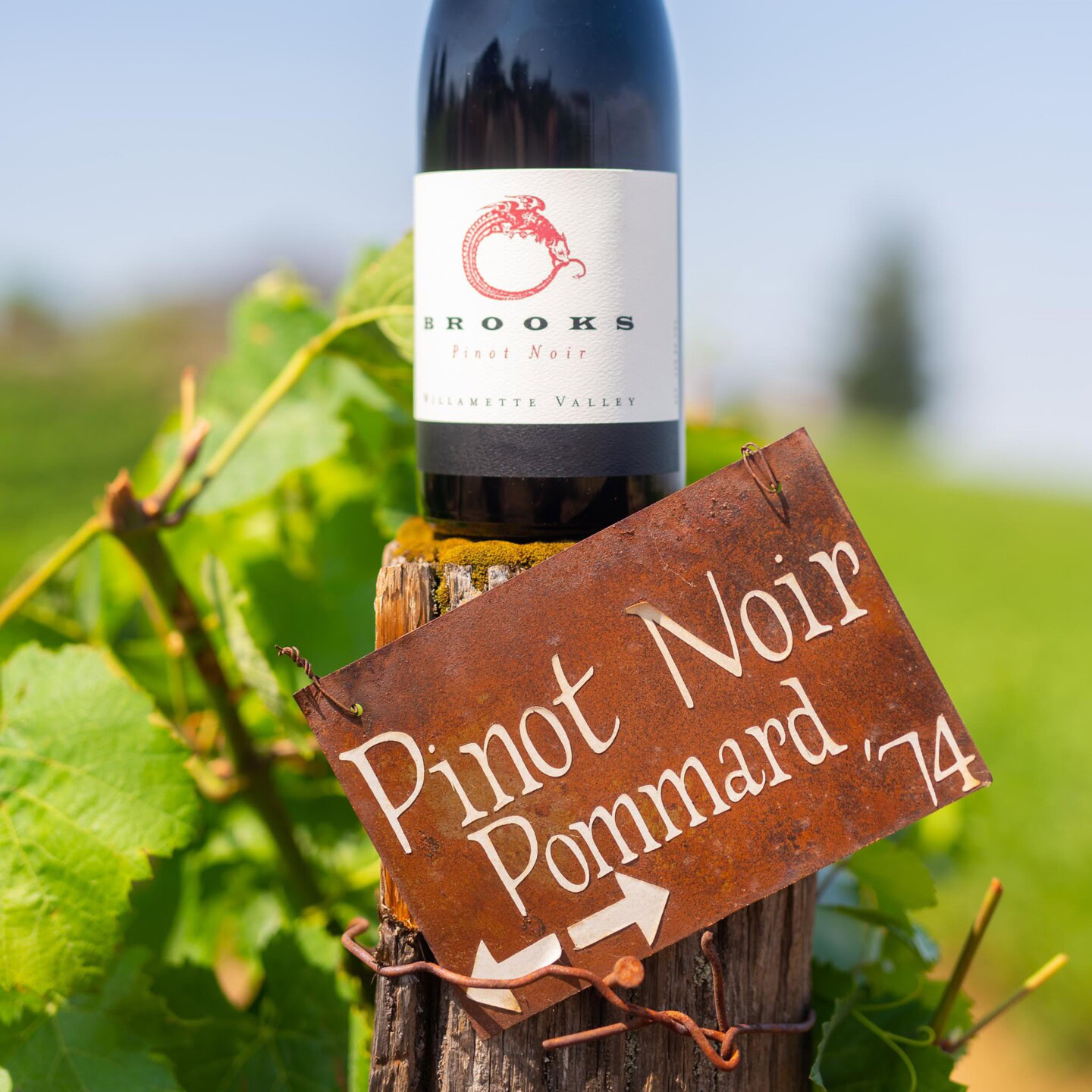
- An Oregon Pinot Noir from Willamette Valley will have a label that clearly identifies both the dominant grape (Pinot Noir) and region (Willamette Valley).
- The label on a bottle of Napa Valley Cabernet Sauvignon will highlight its famous growing area (Napa Valley) alongside the variety (Cabernet Sauvignon).
- Refreshing and crisp Sauvignon Blanc from New Zealand will have a label specifying both the grape (Sauvignon Blanc) and the cool climate growing region (New Zealand).
Next, the Producer
As suggested earlier, the winery or producer is often the most important name on the bottle. Reputable producers develop a recognizable house style and consistent quality over time. This is true for both Old World and New World style wines.
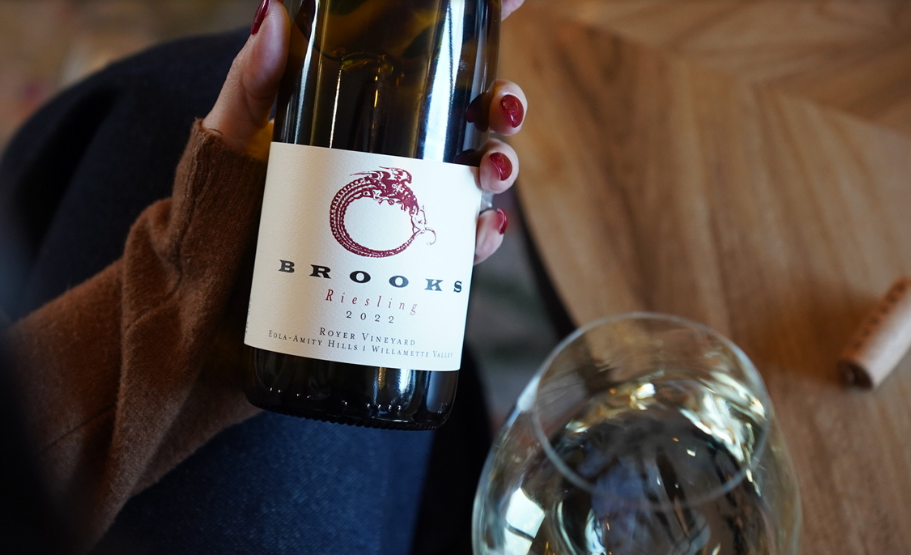
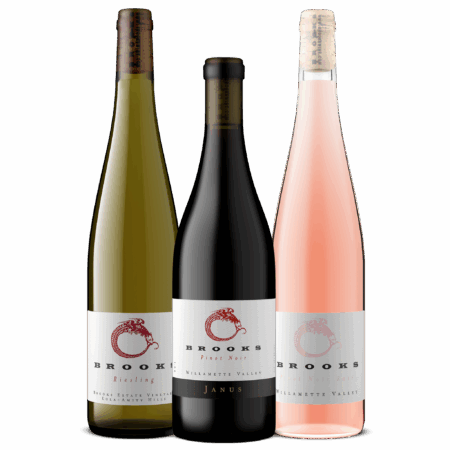
For New World wines, Brooks Wine in Oregon’s Willamette Valley is an excellent example. Known for expressive single-vineyard Riesling, fruit-forward Pinot Noir, and Demeter certified Biodynamic farmed vineyard and winery, Brooks emphasizes vineyard transparency and balanced winemaking. If you are exploring Oregon wines, finding the Brooks label signals a producer who has committed to both quality and sustainable practices.
To broaden your wine knowledge, taste Brooks alongside other respected producers such as Domaine Drouhin Oregon, Ridge Vineyards in California, and Felton Road in New Zealand. Tasting across producers reveals how philosophy, climate, and vineyard management shape every bottle.
Understanding the Vintage
Wine labels always contain the wine’s vintage. The vintage is simply the year the grapes were harvested.
Weather changes from year to year, meaning two bottles from the same winery may taste noticeably different if the wine within the bottle was nurtured from two different harvest years. Cooler vintages often produce wines with brighter acidity and freshness, while warmer years typically create riper fruit flavors and fuller bodies.
For beginners, do not assume older is always better. Many well-regarded wines reds are crafted to be enjoyed within a few years of release.
Note: If a wine label replaced the vintage date with “NV,” that typically means the wine includes grapes or wines from more than one harvest. It is an abbreviation for “non-vintage.” This practice is common with sparking wines, Sherry, and Port to maintain consistent flavor profile year after year, regardless of weather patterns.
What Does “Old Vine” Mean?
One of the more common terms you will see on a wine label is “Old Vine” or Vieilles Vignes. There is no universal legal definition for these terms. One winery may use the term for 30-year-old vines, while another reserves it for vineyards over 70 years old.
So, why should you care? Older vines produce fewer grapes, which may seem like an unfortunate reality. When there are few grapes to nurture, the vine will concentrate flavor into each cluster.
As a bonus, older vines also have much more consistent growing behavior. This allows the vineyard manager to predict both the needs of the vine and characteristics of the resulting fruit with greater accuracy. Old vines tend to have roots that have ventured 20+ feet into the earth to reach the natural waterbed, which means they have greater resiliency, too. The resulting wines often offer greater complexity, texture, and depth.
Think of “Old Vine” as a useful clue rather than a guaranteed quality certification. It is most meaningful when paired with a trusted producer.
Does “Reserve” Actually Mean Better?
The word “Reserve” on a wine label can be confusing because its meaning depends on where the wine was made.
In many New World countries, “Reserve” is largely a marketing term unless regulated by local laws or winery standards. Some wineries genuinely reserve their best fruit for these wines, while others simply use the designation to distinguish a premium bottling.
In parts of Europe, however, “Reserve” classifications are legally defined. Spain’s Reserva and Gran Reserva wines, for example, must meet minimum aging requirements before release.
As with the earlier lesson encouraging time spent learning about producers, it is just as useful to understand the region before assuming what any specific terms represent.
Regional Classification Systems
While we are on the topic of understanding regions, many of the world’s finest wines highlight the specific region where the grapes were grown to further distinguish intentional practices and their resulting quality. This is especially prevalent in Old World wine-producing countries. Here are three classic examples:
France: AOC
The Appellation d’Origine Contrôlée (AOC) system establishes strict rules governing vineyard location, permitted grape varieties, yields, and production methods.
Regions like Chablis in Burgundy or Médoc in Bordeaux are excellent examples of AOC regulated regions.
Italy: DOC and DOCG
Italy uses several quality classifications, with DOC (Denominazione di Origine Controllata) and DOCG (Denominazione di Origine Controllata e Garantita) representing higher levels of geographic and production regulation.
DOCG wines undergo additional quality standards and are often associated with Italy’s most prestigious appellations, such as Brunello di Montalcino or Barolo.
Germany: Regional Quality
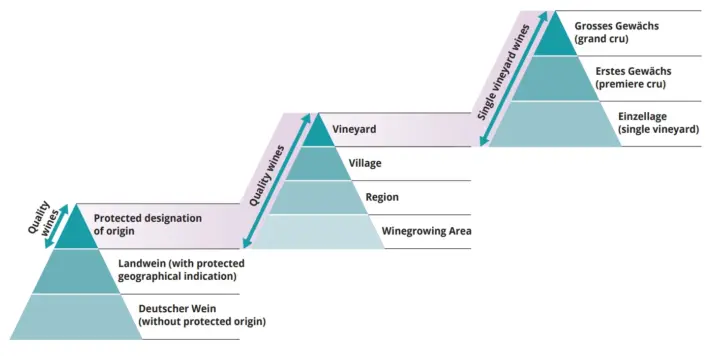
German labels frequently emphasize both vineyard location and ripeness at harvest. In 2021, the country established yet another system for labeling their wines (there have been at least three major systems in the past).
German wines are now divided into Deutscher Wein (German Wine) for table wine, Landwein (Country Wine) with at least 85% of the grapes sourced from a single region, and Qualitätswein (Quality Wine) including four additional distinctions within this tier to further classify sourcing, production, and quality with a commitment to meticulous accuracy we have come to expect from German producers.
While the terminology may appear intimidating, regions like Mosel and Rheingau are excellent starting points for discovering world-class Riesling.
Other Helpful Label Clues
Beyond the producer and region, look for:
- Alcohol by Volume (ABV): Higher alcohol often indicates a richer, fuller-bodied wine.
- Estate Bottled: Generally means the winery grew and produced the wine on its own estate.
- Single Vineyard: Suggests the grapes come from one specific vineyard site, often emphasizing terroir and distinctive character.
- Organic or Biodynamic Certifications: These indicate farming practices focused on environmental stewardship, though they do not automatically determine quality. Remember to research the producer.
As you gain experience, you will begin recognizing trusted producers, respected regions, and meaningful quality indicators instead of relying solely on attractive packaging or high prices. By intentionally reading while tasting, you will quickly discover how climate, geography, and winemaking traditions influence aroma, texture, and flavor.
The more labels you read, the easier it becomes to predict what is in the glass and more confidently choose wines that match your personal taste. Cheers!
Posted 7/26/2026
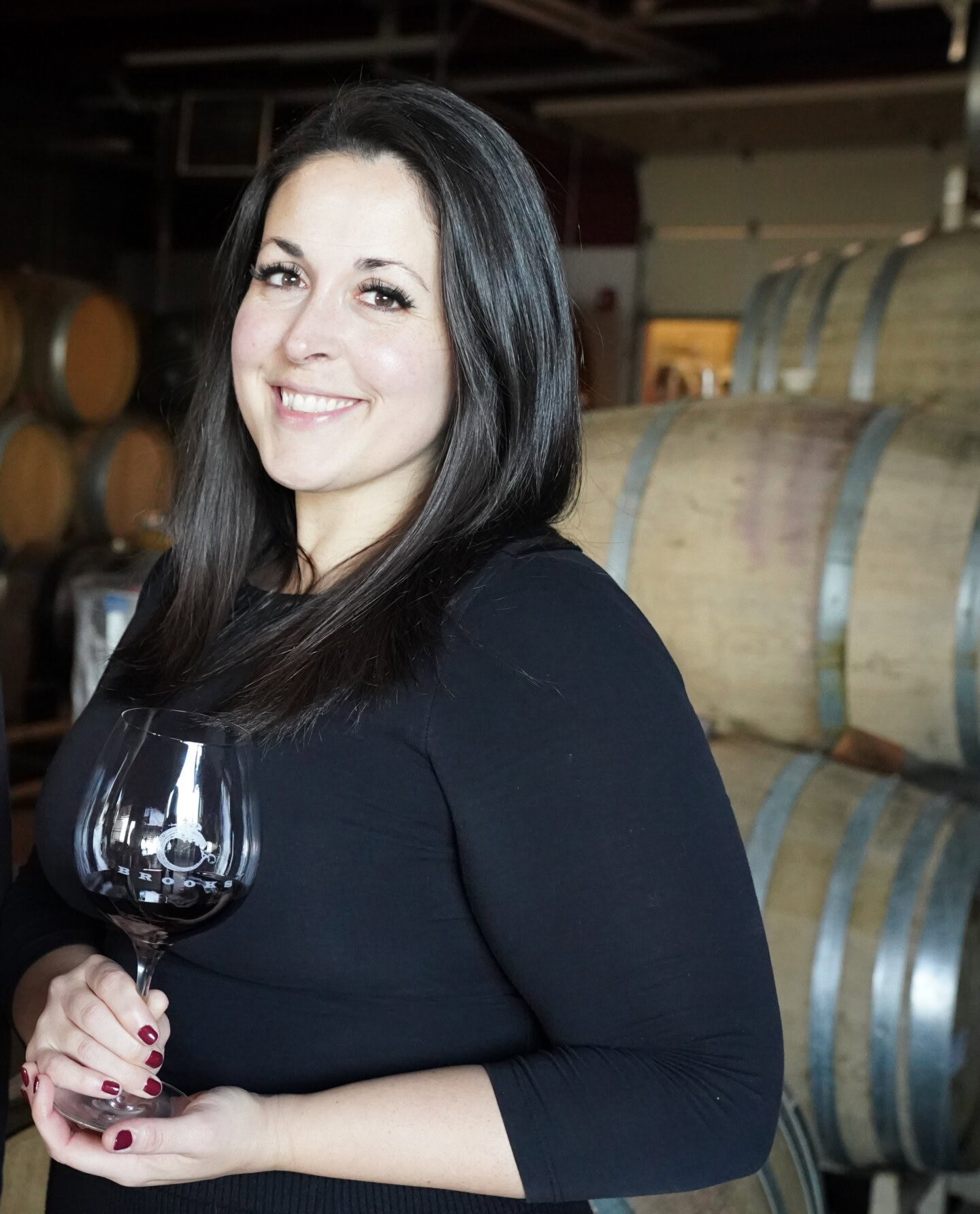
April Abate is a wine educator who loves helping people feel confident about what is in their glass. She is a Certified Specialist of Wine through the Society of Wine Educators and a Certified Executive Sommelier with the International Wine and Spirits Guild. With a diverse background in microbiology, education, hospitality, and sales, April brings science, clarity, and heart to her discussions about wine. Her goal is simple: to make wine more approachable by helping tasters understand not just what they like, but why they like it. For the past seven years, April has been part of the team at Brooks Wine in Oregon’s renowned Willamette Valley, sharing her passion for wines that tell a story of place and purpose. Drafting and refinement were supported by digital assistant software.