
Quick Facts for Food and Wine Pairing
- Food presents the palate with seven identifiable tastes on which wine pairings rely.
- Congruent pairings match similar flavors, while contrasting pairings balance opposites. Both can create delicious results.
- Humans are most sensitive to bitter tastes, followed by sweet, which influences how we perceive pairings.
- At the end of the day, the best food and wine pairing is the one you enjoy sharing at the table.
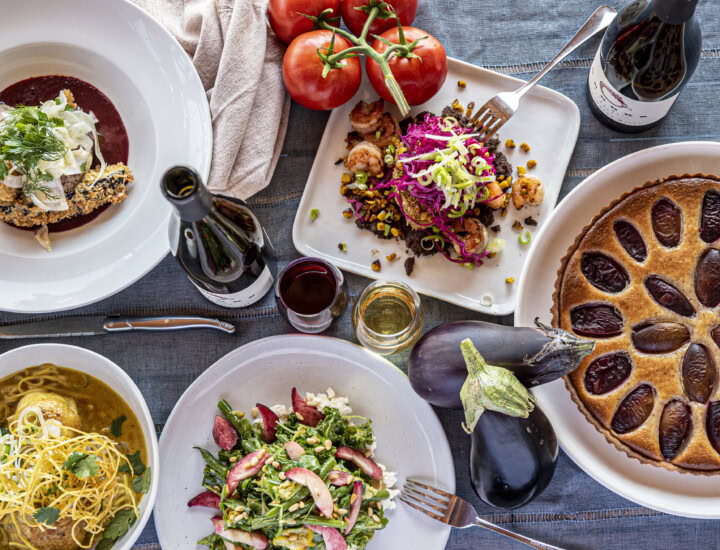
Food and wine pairing becomes intuitive once you understand structure. Every wine contains key components of acidity, tannin, sweetness, and alcohol, while foods present dominant tastes like salt, fat, sweet, sour, bitter, savory, and spice. When those elements interact in the right way, both the wine and the food taste better.
Most pairings rely on the human palate’s ability to detect seven core tastes:
- Bitter – coffee, cocoa, black tea
- Sweet – sugar, honey
- Sour / Acidic – vinegar, citrus
- Salty – sea salt
- Savory / Umami – meat, mushrooms, aged cheese
- Spicy / Piquant – chili peppers
- Fat / Rich – cheese, oils, cream
When combined, these tastes can increase or decrease each other’s intensity. Sometimes that interaction feels harmonious, and sometimes it does not. It all depends on personal preferences.
For example, most people agree that the taste and mouthfeel of bitter black coffee tastes more pleasant with the addition of sugar or cream, but pairing that coffee with vinegar’s strong acidity would be unpleasant and harsh.
On the other hand, the bitterness of Earl Grey black tea is often balanced with the acidity of a lemon slice. Wine pairings work in a similar way. It truly comes down to what each individual taster finds pleasant and unpleasant.
The guidance below is intended to lead you through a few tasting examples and exercises to help identify personally satisfying wine and food pairings.
Understanding Wine Structure
Beyond flavors like fruit or herbs, wines also contain four structural elements that influence pairing:
- Acidity – Tartness and salivation
- Tannins – Bitterness and drying sensation
- Sugar – Sweetness
- Alcohol – Warmth or heat in the mouth and throat
These elements interact with food in predictable ways.

Acid
A glass of wine typically contains five types of acid: Tartaric, Citric, Acetic, Malic or Lactic, and Succinic. The type of acid plays a different role in the wine taster’s experience, but each acid will encourage the mouth to salivate. This helps spread flavor across the palate.
It also does what acids naturally do: dissolve materials through corrosive chemical reactions. The acid content in the wine helps dissolve any fat that has coated your tongue when tasting food so you can taste more clearly.
Pro Tip: If a wine makes your mouth water immediately, especially under your tongue, it is likely high in acidity.
Tannins
Tannins create a drying sensation in the mouth. They bind with fats and proteins, anecdotally helping to “scrape” fat and richness from the tongue. This is why tannic red wines often pair beautifully with fatty meats.
Still not sure how to identify tannins in a wine? Try this experiment. Glide the tip of your tongue along the roof of your mouth before sipping a high tannin wine like Cabernet Sauvignon or Syrah. Then sip the wine and ensure it coats the entirety of your mouth before swallowing. Revisit the roof of your mouth with your tongue. You should notice it is distinctively more rough. Almost like an emery board used when filing your nails. The sides of your cheeks and gum line might also feel tight. This temporary sensation is the work of the tannins in the wine.
Pro Tip: Sweet foods can make tannins taste bitter, so desserts rarely pair well with highly tannic wines.
Sugar
Sweetness can soften spicy heat. The receptors on your tongue temporarily bind to sugar molecules instead of the spicy compound capsaicin and calm the sensation.
However, spice is fat-soluble, so the most effective way to remove heat entirely is with fat (think milk with spicy food) and time.
Alcohol
Alcohol intensifies spicy and salty flavors, which can make certain pairings feel overpowering.
High-alcohol wines (14% or higher) often work better with sweet or umami-rich foods, such as barbecue meats. This pairing allows sweetness to balance the heat.
Congruent v.s. Contrasting Pairings
Two classic pairing styles guide food and wine combinations.
Congruent Pairings – Shared flavors amplify each other.
Example: Tart cherry jam + cool climate Pinot Noir (red fruit dominant flavor profile)
Contrasting Pairings – Opposites balance each other.
Example: Dark chocolate espresso beans + medium-dry Riesling
Both approaches can work beautifully. It simply depends on whether you want harmony or contrast on the palate.
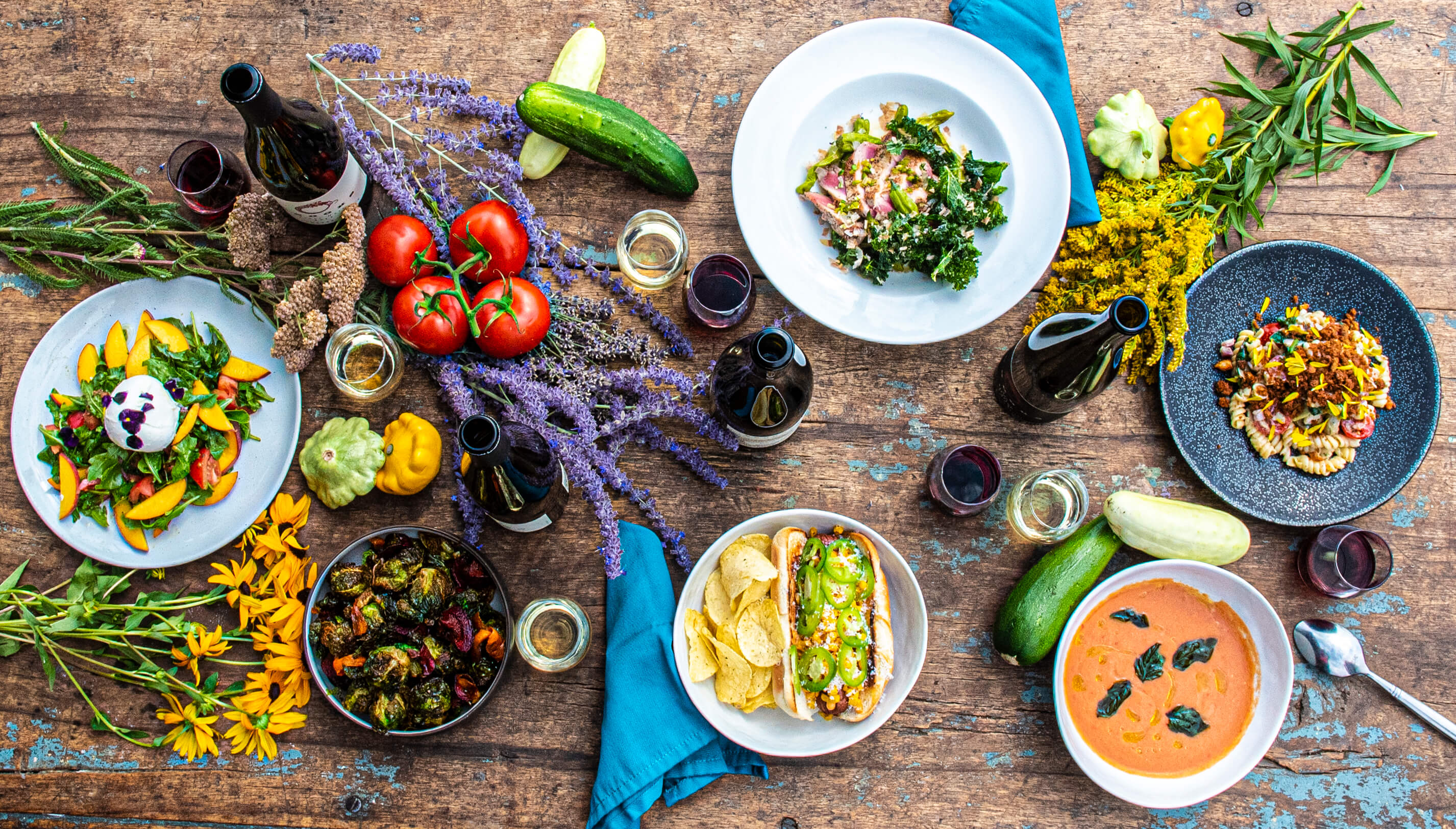
A Simple 3-Step Food and Wine Pairing Formula
- Identify the dominant taste in the dish.
- Balance the food’s taste with the wine’s structure. Bonus points for matching their flavor profiles.
- Align intensity. Lighter dishes with lighter wines, richer dishes with fuller wines.
Examples:
- Creamy pasta + Chardonnay or Cabernet Sauvignon
- Spicy cuisine + Riesling or Gewürztraminer
- Steak + Cabernet Sauvignon or Barolo
- Seafood + Sauvignon Blanc, Albariño, or Chablis
Taste-by-Taste Food and Wine Pairing Guide
Salt + High-Acid Wine
Salt suppresses bitterness and highlights fruit flavors in wine. Meanwhile, high-acid wines refresh the palate and prevent salty foods from feeling heavy.
Avoid wines high in tannin or alcohol, which can make salty foods taste bitter or overly sharp.
Simple Pairing: Sea salt bagel chips + dry or medium-dry Riesling
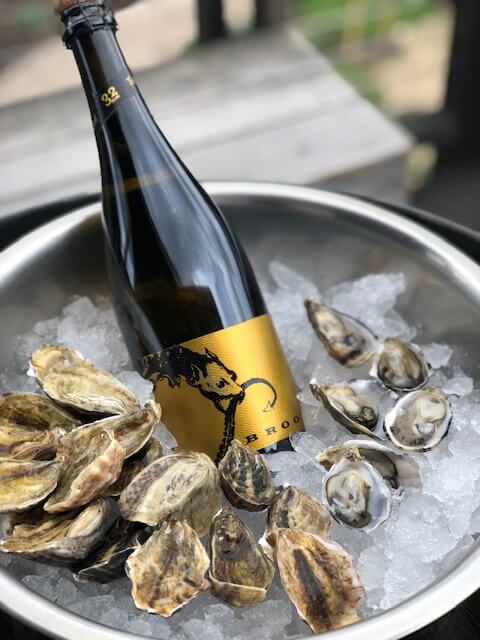
Advanced Pairing: Oysters with mignonette + unoaked Chardonnay (Chablis is perfect)
Fat + Tannins or High Acid
Fat coats the mouth and can dull flavors. Tannins and acidity cut through this richness.
Simple Pairing: Havarti cheese + Sauvignon Blanc (high acid)
Advanced Pairing: Duck confit + Barolo (tannins)
Sweet + Sweet Wine
Desserts require wines that are equally or more sweet. (This is why wine and chocolate pairings are much more difficult than people realize.) Sweetness in the wine prevents it from tasting sharp beside a sweet recipe.
Simple Pairing: Chocolate brownie + Ruby Port or medium-sweet Riesling
Advanced Pairing: Crème brûlée + Sauternes
Bitter + Fruit-Forward or Acidic Wine
Humans are most sensitive to bitterness, so bitter foods can exaggerate bitter tannins in wine. For this reason, avoid highly tannic wines when pairing with bitter foods. Instead, look for high acid wines or wines presenting notes of bright fruit to soften the bitterness in the food.
Simple Pairing: Dark chocolate espresso beans + Zinfandel
Advanced Pairing: Grilled radicchio + Chianti Classico
Sour + High-Acid Wine
Acidic foods need wines with equal or greater acidity. Tart meets tart in a classic congruent pairing.
Simple Pairing: Sour cherry jam & Brie + cool climate Pinot Noir (Oregon or Burgundy)
Advanced Pairing: Lemon-roasted chicken + Albariño
Spicy + Slightly Sweet, Low-Alcohol Wine
Spice increases the perception of alcohol and tannin, so avoid high alcohol wines. Sweetness reduces the perception of spice while low tannin keeps the wine smooth. Opt for a sweet wine with low alcohol (~12%) to temper the heat.
Simple Pairing: Spicy snack mix + off dry Chenin Blanc
Advanced Pairing: Thai green curry + Gewürztraminer

Savory/Umami + High-Acid, Low-Tannin Wine
Umami appears in foods like cooked meat, mushrooms, seafood, miso, and aged cheeses. These foods can make tannins taste bitter, so wines with higher acidity and lower tannin work best.
Simple Pairing: Cured ham + Pinot Gris
Advanced Pairing: Mushroom risotto + Oregon Pinot Noir
(Bonus: An earthy Pinot Noir mirrors the mushrooms in this classic congruent pairing.)
While science explains why food and wine pairings work, we join them for pleasure and connection. Taste different combinations, experiment freely, and discover what you enjoy most. Cheers!
Updated 3/15/2026
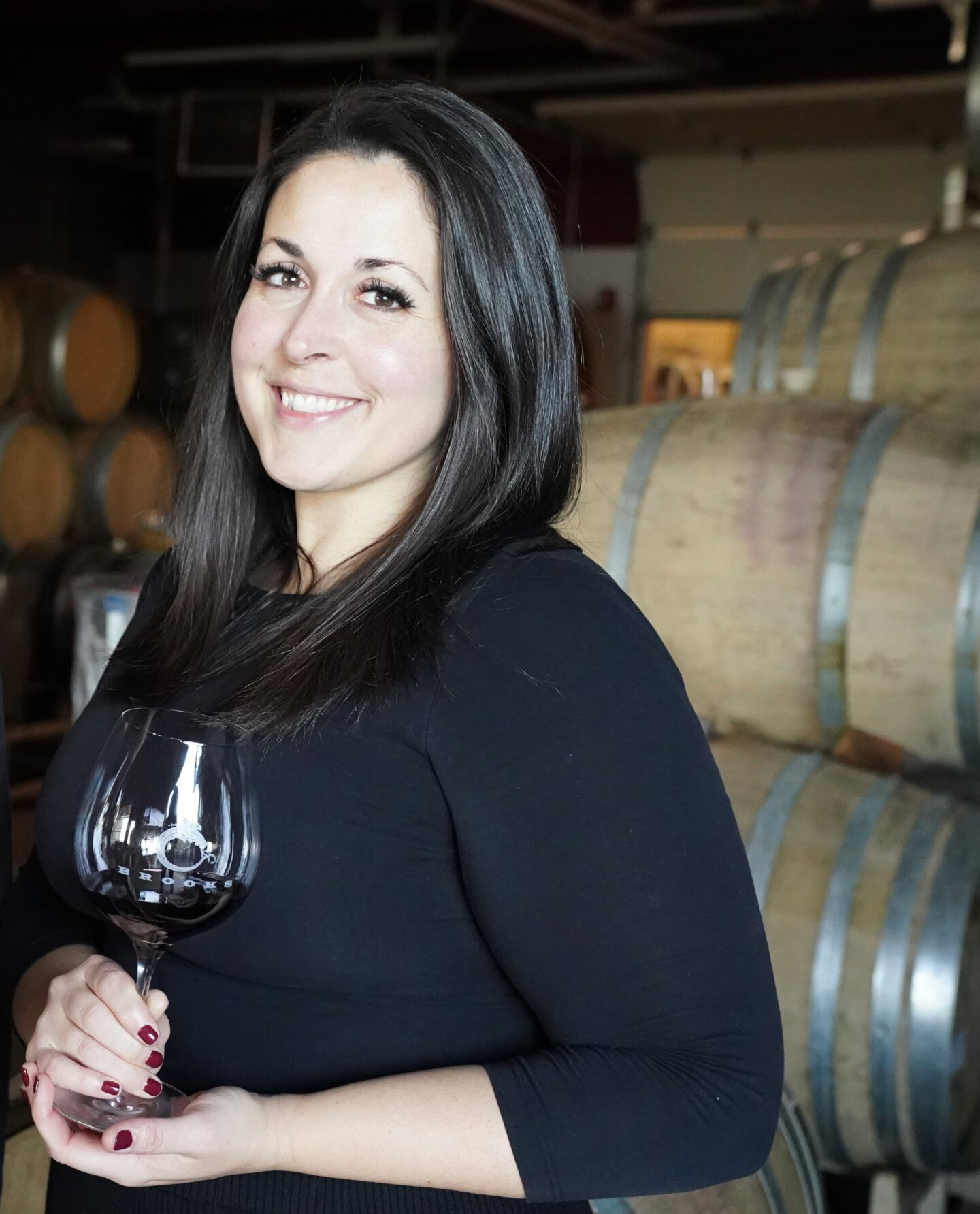
April Abate is a wine educator who loves helping people feel confident about what is in their glass. She is a Certified Specialist of Wine through the Society of Wine Educators and a Certified Executive Sommelier with the International Wine and Spirits Guild. With a diverse background in microbiology, education, hospitality, and sales, April brings science, clarity, and heart to her discussions about wine. Her goal is simple: to make wine more approachable by helping tasters understand not just what they like, but why they like it. For the past seven years, April has been part of the team at Brooks Wine in Oregon’s renowned Willamette Valley, sharing her passion for wines that tell a story of place and purpose. Drafting and refinement were supported by digital assistant software.