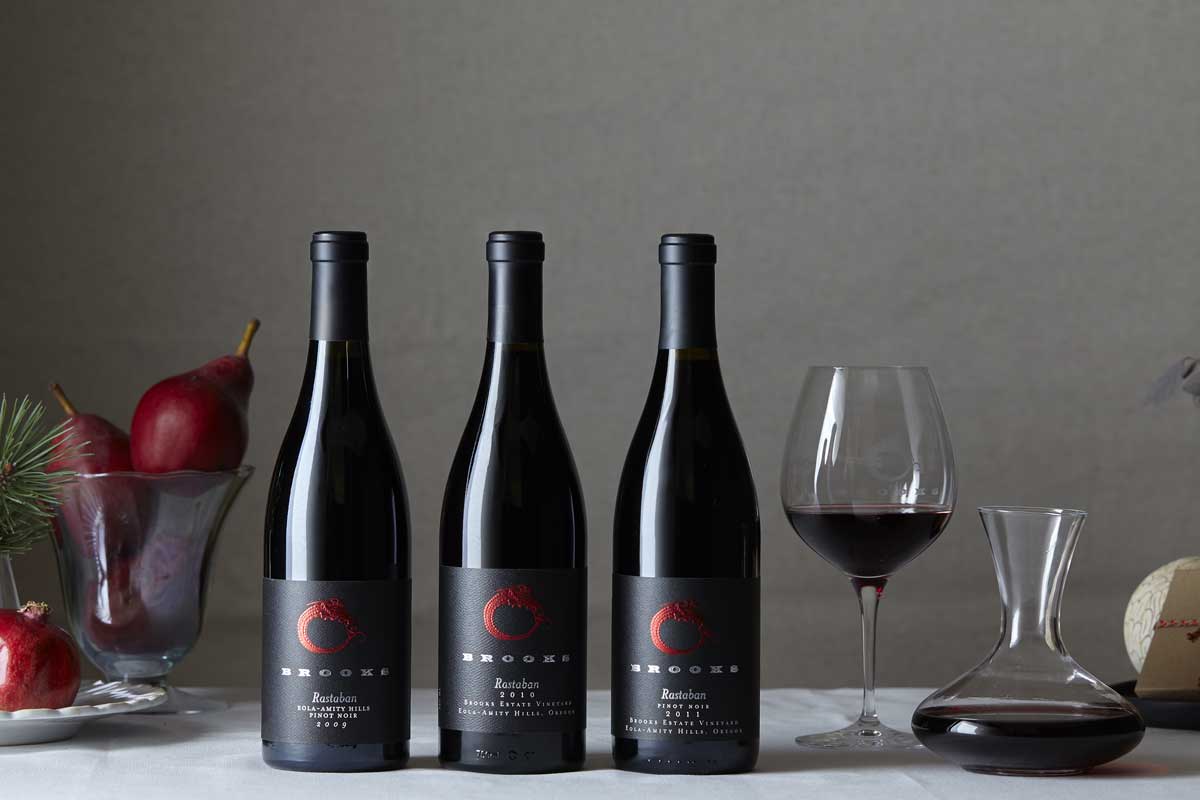
Decanting is not an automatic must for every bottle, but it can dramatically improve certain wines. You should consider decanting when a wine meets one (or more) of the following conditions:
- Young, bold red wine – These often have high tannins or a “closed” aroma profile that benefit from aeration.
- Older wine – Wines that are 10+ years old have likely developed sediment during aging. Decanting separates the wine from the sediment, preventing grit or bitterness in your glass.
- Wine (young or old) that feels “tight,” muted, or reductive – When first opened, a wine that is “reductive” will smell of struck match, rubber, or show harsh tannins. In these cases, a bit of oxygen can help open up aromas and flavors.
However, decanting is not always beneficial. Light, delicate reds, most rosés, many whites, and sparkling wines often offer their full charm right out of the bottle. Also keep in mind that over-aerating fragile or very old wines can actually degrade their nuance and mute their intended expression.
The Science Behind Decanting
At its core, decanting does two things: separate sediment and introduce oxygen. Both of these goals can improve a wine’s taste, texture, and aromatic complexity.
- Sediment Removal: As wines age, organic pigments and tannins can polymerize (or join together) and precipitate out, forming sediment at the bottom of the bottle. While the sediment is not harmful, it can taste gritty or bitter and detract from a smooth glass of wine. Decanting, ideally after letting the bottle stand upright long enough for sediment to settle, allows you to pour clear wine while leaving solids behind.
- Aeration / Oxidation: Young wines, especially tannic reds like Cabernet Sauvignon or Nebbiolo, often feel tight or closed when first opened. Pouring the wine into a wide decanter and letting it sit and rest exposes more of the wine’s surface area to oxygen. This oxygen loosens up tannins, which makes them taste softer, and helps volatile aroma compounds like fruit, oak, spice, and earthy notes to evolve. Both of which improve aroma and flavor clarity.
- Evaporation of Harsh Compounds: Sometimes wines, especially younger or reductive wines, can have sharp or off-putting volatile compounds (e.g. sulfur compounds) when first opened. Time spent aerating can help these compounds dissipate into the air so more pleasant flavors can emerge.
5 Steps to Decant Wine
Here is a practical, foolproof way to decant:
- Stand the bottle upright for several hours, ideally 12–24 hrs before opening. This helps sediment settle at the bottom.
- Open carefully with a corkscrew. If the cork is fragile (especially in old bottles), handle gently to avoid breakage. Consider using a two-prong puller to keep the cork from disintegrating into the bottle.
- Pour slowly and steadily into a clean, odor-free decanter. Tilt the bottle gradually, and stop pouring as soon as you see sediment reaching the neck. It is best practice to leave a small amount of wine in the bottle to prevent sediment from entering the decanter or glass. If needed, you can use a funnel with a screen or a fine mesh strainer to catch sediment.
Some sommeliers use a more traditional method: light and cradle. This method allows the server to very slowly pour the wine in small increments as a means to carefully observe and prevent the sediment from reaching the opening of the bottle. Have you ever watched Downton Abbey and wondered what Carson is doing with a candle behind a bottle of wine laid within a horizontal crank? Now you know. - Let the wine rest. Time spent aerating depends on wine type and age. For young, tannic reds, decant for 30 minutes to 1-2 hours. Older reds require gentle decanting. Sometimes 15-30 minutes (and sometimes even less) is enough to separate the sediment and let aromas emerge. Decanting too long risks degrading the delicate aromas of these library wines. Taste periodically.
- Serve promptly. Once decanted, wines tend to be best enjoyed within a few hours to prevent flavors from falling flat or oxidizing.
If you are still unsure of how much decanting is needed, a good trick is to pour a small glass first. Swirl, smell, and taste. Then decant the rest if the wine feels tight or closed.
Wines That Generally Benefit from Decanting
Several wines consistently carry characteristics that often benefit from decanting. Even as you review this list, keep in mind that vintage, winemaking style, and personal taste will always matter.
- Bold Reds: Cabernet Sauvignon, Bordeaux blends, Syrah / Shiraz, Malbec, Petit Verdot, Petit Sirah, Nebbiolo, etc. tend to have strong structure and benefit from decanting to soften tannins and open up their peppery, smoky, or dark-fruit aromatics. Young bottles dramatically improve with 1-2 hours of aeration.
- Full-Bodied or Oaked White Wines: While less common, richer whites can gain complexity with a brief decant. Oak-aged Chardonnay is a great example. Gentle aeration provides enough oxygen to allow oak, butter, or tropical fruit notes to express themselves.
- Aged, Sediment-Prone Wines: Decanting older Bordeaux (Cabernet Sauvignon-based wines), Barolo (Nebbiolo-based wines), and older fortified wines like Port can remove sediment and gently coax out subtle aromas that may be muted at first.
- Reductive Wines: Occasionally, a white, rosé, or even a sparkling wine may benefit from brief (and gentle) aeration if the wine shows reductive aromas (i.e., sulfur aromas).
Decanting is part chemistry and part ritual. It gives your wine both the oxygen it needs and the presentation that elevates the experience. Done thoughtfully it can transform a good bottle into a great one. Be sure to take into consideration the grape, vintage, age, and how the wine presents when first opened to identify the right amount of air and time needed to bring out deeper aromas, softer tannins, and richer flavors. Cheers!
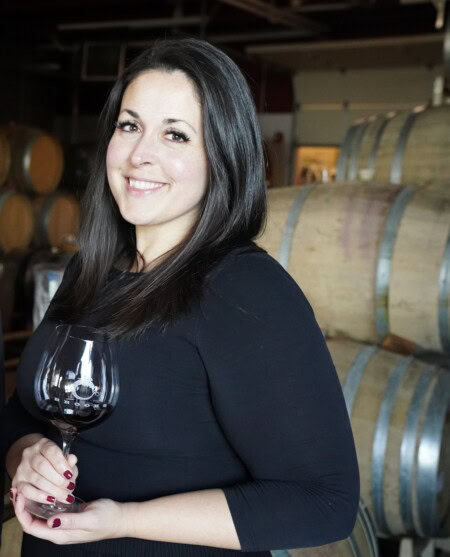
April Abate is a wine educator who loves helping people feel confident about what is in their glass. She is a Certified Specialist of Wine through the Society of Wine Educators and a Certified Executive Sommelier with the International Wine and Spirits. With a diverse background in microbiology, education, hospitality, and sales, April brings science, clarity, and heart to her discussions about wine. Her goal is simple: to make wine more approachable by helping tasters understand not just what they like, but why they like it. For the past seven years, April has been part of the team at Brooks Wine in Oregon’s renowned Willamette Valley, sharing her passion for wines that tell a story of place and purpose. Drafting and refinement were supported by digital assistant software.